
Living near the ocean brings fresh breezes and stunning views, but it also means dealing with persistent moisture and salt-laden air. For homeowners in coastal regions, managing indoor air quality and controlling humidity are ongoing challenges. Without the right approach, excess dampness can lead to mold, mildew, and even structural damage. That’s why understanding coastal home ventilation strategies is essential for anyone building, renovating, or maintaining a property by the sea.
In this article, we’ll break down the most effective ways to keep your coastal residence dry, comfortable, and healthy. From natural airflow techniques to mechanical solutions, you’ll find practical advice for every budget and home style. If you’re also interested in making the most of your time by the water, you might enjoy reading about Jupiter dog beach reviews for pet owners—a local favorite for pet lovers.
Why Humidity Control Matters in Coastal Homes
Coastal environments are characterized by high humidity levels, frequent rain, and salty air. These conditions can accelerate wear and tear on building materials, encourage mold growth, and make interiors feel sticky or uncomfortable. Proper ventilation is not just about comfort—it’s a key factor in protecting your investment and ensuring healthy indoor air.
- Prevents mold and mildew: Consistent airflow helps keep surfaces dry, reducing the risk of spores and allergens.
- Protects structural integrity: Moisture can weaken wood, drywall, and insulation over time.
- Improves indoor comfort: Well-ventilated homes feel cooler and fresher, even during muggy weather.
- Reduces energy costs: Efficient ventilation can lower the need for air conditioning and dehumidifiers.
Natural Ventilation Techniques for Seaside Properties
Harnessing the natural breezes common to coastal areas is one of the most effective—and energy-efficient—ways to manage humidity. Here are some proven methods:
Cross-Ventilation for Maximum Airflow
Designing your home with windows and vents on opposite sides allows fresh air to flow through, pushing out stale, humid air. This technique works best when doors and windows are aligned to catch prevailing winds.

Stack Effect and Vent Placement
Warm, moist air naturally rises. By installing vents or operable skylights near the ceiling, you can encourage this air to escape, drawing in cooler, drier air from below. This passive ventilation method is especially useful in multi-story homes.
Shading and Landscaping
Trees, awnings, and shutters not only block direct sunlight but also help regulate indoor temperatures. Cooler interiors mean less condensation and lower humidity levels. Strategic landscaping can also direct breezes toward your home’s openings.
Mechanical Solutions for Humidity Management
While natural airflow is ideal, sometimes the climate or home design calls for mechanical assistance. Here are some of the most reliable options for managing moisture in coastal residences:
Whole-House Ventilation Systems
Installing a balanced ventilation system, such as an energy recovery ventilator (ERV) or heat recovery ventilator (HRV), ensures a consistent exchange of indoor and outdoor air. These systems filter out pollutants and manage humidity without sacrificing energy efficiency.
Exhaust Fans in Key Areas
Bathrooms, kitchens, and laundry rooms are major sources of indoor moisture. High-quality exhaust fans remove humid air at the source, preventing it from spreading throughout the house. Make sure fans are vented to the outside, not just into the attic.

Dehumidifiers for Targeted Control
In especially damp climates or during rainy seasons, a portable or whole-house dehumidifier can provide extra protection. These devices extract moisture from the air, helping to maintain ideal indoor humidity levels (typically between 30% and 50%).
Building Materials and Design Considerations
The right construction choices can make a big difference in how well your home resists humidity. Here are some tips for long-term protection:
- Moisture-resistant materials: Use treated lumber, fiber cement siding, and mold-resistant drywall in vulnerable areas.
- Vapor barriers: Properly installed barriers in walls, floors, and crawl spaces prevent moisture from seeping indoors.
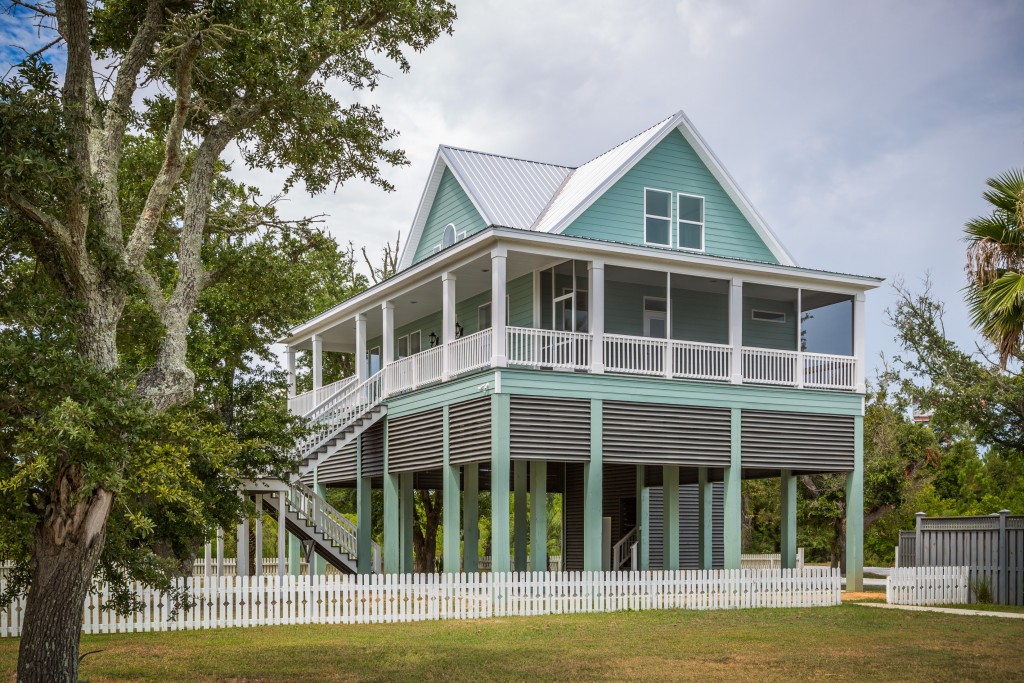
- Elevated foundations: Raising your home on piers or pilings can reduce the risk of flooding and improve underfloor ventilation.
- Sealed windows and doors: High-quality weatherstripping and caulking keep humid air out and conditioned air in.
For a deeper dive into building for coastal conditions, check out this beginner’s guide to sea-safe homes for practical advice and inspiration.
Maintenance Tips for Lasting Ventilation Performance
Even the best-designed systems need regular upkeep. Here’s how to keep your ventilation working efficiently year-round:
- Clean or replace air filters every few months to ensure proper airflow.
- Inspect vents, fans, and ducts for blockages or salt buildup, especially after storms.
- Check for leaks or condensation around windows, doors, and skylights.
- Test exhaust fans and dehumidifiers to confirm they’re operating at full capacity.
- Trim landscaping to maintain clear airflow around exterior vents and openings.
Frequently Asked Questions
What is the ideal indoor humidity level for a coastal home?
The recommended indoor humidity level is between 30% and 50%. Staying within this range helps prevent mold growth, protects building materials, and keeps your home comfortable.
Can I rely on natural ventilation alone in a humid climate?
While natural airflow is helpful, it may not be enough during periods of high humidity or heavy rain. Combining passive techniques with mechanical systems like exhaust fans or dehumidifiers offers the best results.
How often should I maintain my home’s ventilation system?
It’s a good idea to inspect and clean ventilation components every three to six months. In coastal areas, salt and moisture can cause buildup more quickly, so regular checks are important.