
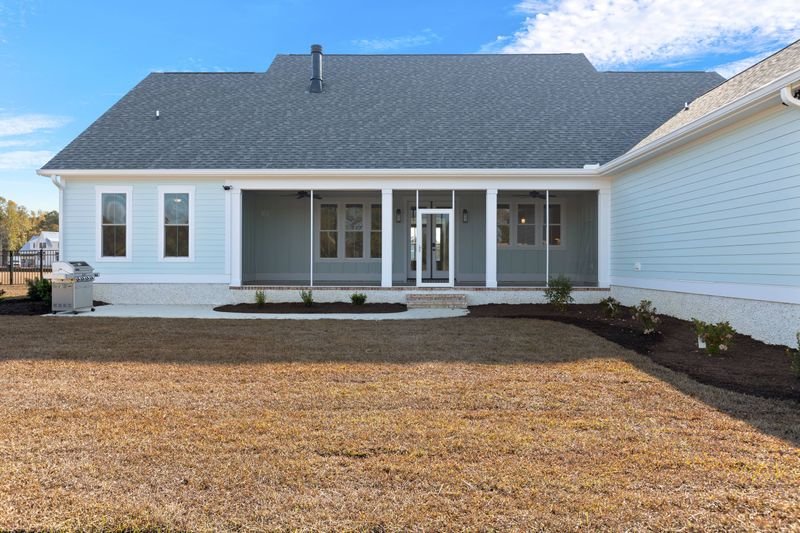
Building or renovating a home by the sea comes with unique challenges and opportunities. Coastal home project management requires careful planning, attention to environmental factors, and a solid understanding of local regulations. Whether you’re a homeowner overseeing a new build or a contractor specializing in seaside properties, mastering the nuances of managing projects in coastal environments can make all the difference in achieving a successful, long-lasting result.
From choosing resilient materials to navigating weather-related delays, every decision impacts the durability and comfort of your property. This guide explores practical strategies for managing construction and renovation projects in coastal settings, ensuring your investment stands strong against the elements and meets your expectations.
When planning a seaside build, it’s also important to consider local lifestyle factors. For example, if you’re near a dog-friendly beach, understanding how to dispose of dog waste properly at the beach can help maintain a clean and welcoming environment for residents and visitors alike.
Understanding the Unique Demands of Coastal Construction
Managing projects in coastal areas means dealing with more than just beautiful views. The environment presents specific challenges, such as high humidity, salt-laden air, and the risk of storms or flooding. These factors can accelerate wear and tear on structures, making it crucial to plan for durability from the outset.
Key considerations include:
- Salt corrosion: Metal fixtures and fasteners are especially vulnerable to rust and decay in salty air.
- Moisture management: High humidity and frequent rain can lead to mold, mildew, and rot if not properly addressed.
- Wind and storm resistance: Coastal properties must be designed to withstand strong winds and potential hurricanes or tropical storms.
- Environmental regulations: Many coastal zones have strict building codes to protect sensitive ecosystems and reduce erosion.
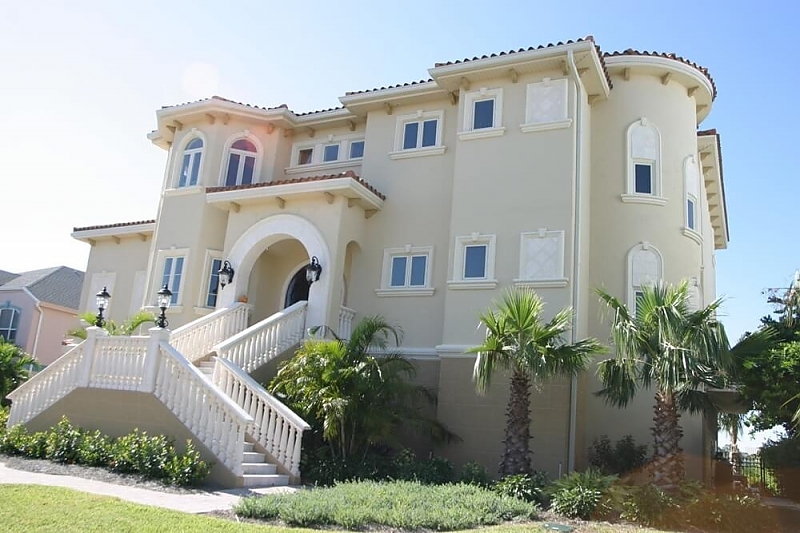
Planning and Permitting for Seaside Projects
Effective coastal home project management begins with thorough planning and a clear understanding of local permitting requirements. Coastal zones often have additional layers of oversight to protect natural resources and ensure public safety.
Steps to streamline the planning process include:
- Researching local zoning laws and floodplain maps before purchasing land or starting design work.
- Consulting with architects and engineers experienced in coastal construction.
- Securing all necessary permits, which may include environmental impact assessments and approvals from multiple agencies.
- Factoring in extra time for permit reviews, as coastal projects often require more scrutiny than inland builds.
Staying proactive with paperwork and compliance helps avoid costly delays and ensures your project moves forward smoothly.
Choosing the Right Materials for Longevity
Material selection is one of the most critical aspects of managing a home build or renovation by the ocean. Using products designed to withstand harsh coastal conditions can significantly extend the life of your property and reduce maintenance costs.
Some top choices for coastal construction include:
- Stainless steel or galvanized fasteners: These resist corrosion far better than standard steel.
- Fiber cement siding: Durable and resistant to moisture, salt, and pests.
- Pressure-treated or composite decking: These materials hold up well against humidity and insects.
- Impact-rated windows and doors: Designed to withstand flying debris and high winds.
For a deeper dive into recommended products, check out this guide to essential building materials for coastal homes for expert insights on top-performing options.
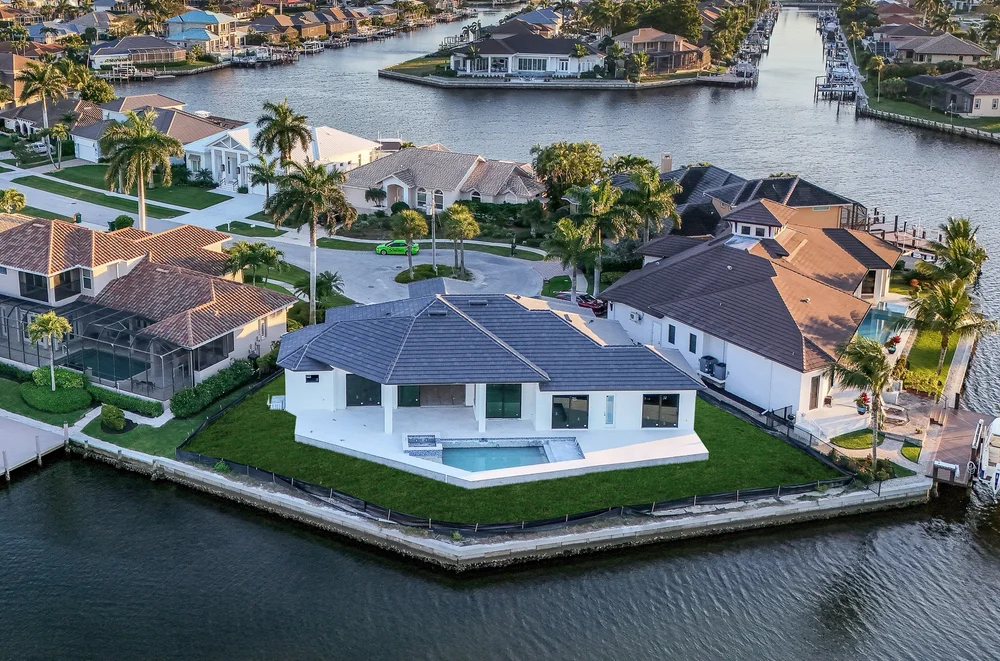
Scheduling and Managing Coastal Builds
Timelines for seaside projects can be unpredictable due to weather and environmental constraints. Effective scheduling is a cornerstone of successful coastal home project management.
Best practices include:
- Building in buffer time for weather-related delays, especially during hurricane or rainy seasons.
- Coordinating deliveries and labor to minimize downtime and avoid working during high-risk weather periods.
- Staying flexible and maintaining open communication with all stakeholders to quickly adapt to changing conditions.
Regular site inspections and progress meetings help keep the project on track and allow for early identification of potential issues.
Protecting the Environment and Community
Responsible management of coastal home projects means minimizing your impact on the surrounding ecosystem and respecting the needs of the local community. This includes:
- Implementing erosion control measures, such as silt fences and vegetation buffers.
- Safely disposing of construction waste and hazardous materials.
- Designing landscaping with native plants to reduce water usage and support local wildlife.
- Being mindful of noise, dust, and traffic disruptions during construction.
For those with pets, especially in beachside neighborhoods, maintaining clean public spaces is essential. Learning about proper dog waste disposal at the beach helps preserve both the environment and your community’s reputation.
Maintenance Planning for Long-Term Success
Once construction is complete, ongoing maintenance is key to protecting your investment. Coastal homes require more frequent inspections and upkeep than inland properties due to the harsh environment.
Essential maintenance tasks include:
- Regularly washing exterior surfaces to remove salt buildup.
- Inspecting and resealing windows, doors, and siding to prevent moisture intrusion.
- Checking for signs of rust or corrosion on metal fixtures and replacing as needed.
- Trimming vegetation away from the structure to improve airflow and reduce moisture retention.
Establishing a proactive maintenance schedule helps catch small issues before they become costly repairs.
Frequently Asked Questions
What are the biggest challenges in managing a coastal home project?
The main challenges include dealing with salt corrosion, high humidity, weather-related delays, and strict environmental regulations. Choosing the right materials and planning for unpredictable conditions are essential for success.
How can I protect my coastal property from storms and flooding?
Use impact-rated windows and doors, elevate the structure if possible, and ensure proper drainage around the property. Consult with local experts to meet or exceed building codes for wind and flood resistance.
What materials last longest in a seaside environment?
Stainless steel, fiber cement siding, composite decking, and pressure-treated wood are all excellent choices. These materials resist moisture, salt, and pests better than standard options, reducing maintenance needs over time.