
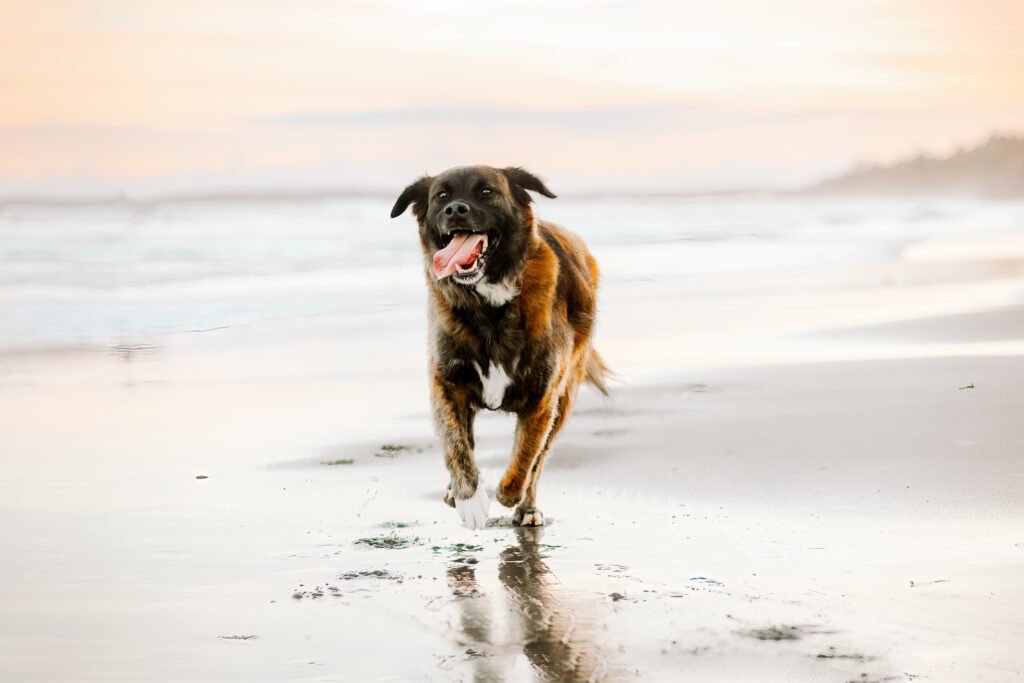
Visiting Jupiter Dog Beach is a favorite activity for locals and travelers who want to enjoy the sand and surf with their canine companions. To make the most of your outing, it’s essential to understand jupiter dog beach tide charts and safety tips. Knowing the best times for low and high tides, as well as how to keep both pets and people safe, ensures a fun and stress-free experience for everyone.
Before you pack up the leash and sunscreen, it’s worth reviewing a jupiter dog beach visitor guide for tourists to get familiar with the area, parking, and local rules. This guide will help you plan your trip around the tides and stay informed about important safety considerations.
Understanding Jupiter Dog Beach Tide Charts
The tides at Jupiter Dog Beach can have a significant impact on your visit. Checking the tide charts before heading out helps you choose the best time for a walk, swim, or play session. Low tide reveals more sand and space for running, while high tide brings the water closer to shore, which can affect where you set up your spot and how much room is available for dogs to roam.
Most local tide charts are updated daily and are available online or through weather apps. Look for charts that specifically mention the Jupiter Inlet or nearby reference points. Typically, low tide occurs twice a day, offering wide stretches of sand ideal for fetch and off-leash fun. High tide, on the other hand, may reduce the available beach area and can bring stronger currents.

For those new to reading tide charts, pay attention to the times listed for both high and low tides. Plan your arrival for an hour or two before low tide for the most space and gentler waves. This is especially helpful if your dog is new to the beach or prefers calmer water.
Essential Safety Tips for Dogs and People
Safety is a top priority when visiting any beach, but especially one as popular as Jupiter’s dog-friendly stretch. Here are some key jupiter dog beach tide charts and safety practices to keep in mind:
- Monitor the tides: Rising tides can quickly reduce the amount of dry sand, so keep an eye on the waterline and relocate if needed.
- Watch for strong currents: High tide and rough surf can create dangerous conditions for both dogs and humans. If the waves look too strong, stay closer to shore or wait for calmer conditions.
- Stay hydrated: Bring plenty of fresh water for both you and your dog. Salt water is not safe for pets to drink.
- Protect paws: Hot sand and sharp shells can injure sensitive paws. Check the ground temperature and clear the area of debris before letting your dog run free.
- Use a leash when needed: While Jupiter Dog Beach allows off-leash play in designated areas, always keep a leash handy for crowded times or if your dog is not fully voice-trained. For more details, see the jupiter beach dog leash requirements for parking lots.
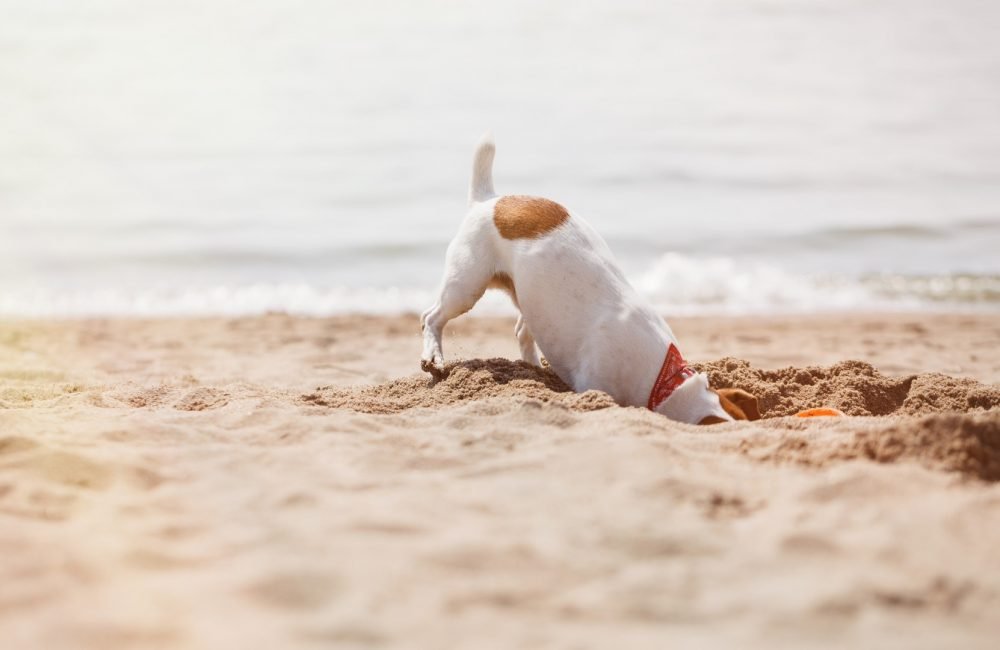
It’s also important to be mindful of wildlife, such as birds and sea turtles, which may be present on the beach. Always supervise your dog and discourage chasing or digging near marked nesting areas.
Planning Around the Tides for the Best Experience
Timing your visit to coincide with favorable tides can make a big difference in your beach day. Early mornings and late afternoons often offer cooler temperatures and fewer crowds, making them ideal for dogs who prefer a quieter environment. Checking the jupiter dog beach tide charts and safety updates before you leave home ensures you know what to expect.
Consider the following tips for planning:
- Arrive just before low tide for the most space and gentle surf.
- Bring shade, such as a beach umbrella or pop-up tent, especially during midday hours.
- Pack a towel for drying off and a brush to remove sand from fur and paws.
- Be prepared to move your setup as the tide comes in.
After your visit, it’s a good idea to clean your dog’s harness and leash to remove salt and sand. For step-by-step instructions, check out how to wash your dog’s harness after the beach.
Dog-Friendly Amenities and Local Resources
Jupiter Dog Beach is known for its welcoming atmosphere and amenities that cater to both two- and four-legged visitors. There are waste bag dispensers at most entrances, and the community encourages everyone to clean up after their pets. For tips on responsible pet ownership at the beach, see this guide on how to dispose of dog waste properly at the beach.
Parking is available at several access points, but it can fill up quickly during weekends and holidays. Arrive early or consider visiting on weekdays for a more relaxed experience. If you’re interested in other dog-friendly activities in the area, you might enjoy this overview of dog-friendly living in Jupiter, including parks, beaches, and homes.
During the winter months, the beach remains open and is a great place for seasonal activities. For more ideas, see jupiter beach dog friendly winter activities.
Frequently Asked Questions
What is the best time to visit Jupiter Dog Beach for off-leash play?
The best time to visit is usually an hour or two before low tide. This provides the most beach space and gentler waves, making it safer and more enjoyable for dogs to run and swim. Always check the latest tide charts before heading out.
Are there any leash requirements at Jupiter Dog Beach?
Dogs are allowed off-leash in designated areas, but you should keep a leash handy for crowded times, parking lots, or if your dog is not fully voice-trained. Review the leash requirements for parking lots for more details.
How can I keep my dog safe from hazards at the beach?
Monitor the tides, avoid strong currents, provide fresh water, and check the sand for heat or debris. Always supervise your dog and respect wildlife and nesting areas. Cleaning up after your pet and washing gear after your visit also helps maintain safety and cleanliness.
Final Thoughts on Enjoying Jupiter Dog Beach Responsibly
With a little planning and attention to jupiter dog beach tide charts and safety guidelines, you and your dog can enjoy a memorable day by the ocean. Remember to check the tides, follow local rules, and respect the environment so that everyone—human and canine alike—can continue to enjoy this beautiful stretch of Florida coastline.