
Owning a property near the ocean offers unique rewards, but it also comes with a distinct set of risks. A thorough coastal home risk assessment is essential for anyone considering buying, building, or maintaining a residence in these areas. From storm surges to saltwater corrosion, understanding the vulnerabilities of your coastal property can help you protect your investment and ensure your family’s safety.
This guide outlines the most important factors to evaluate, including environmental hazards, structural considerations, and insurance needs. Whether you’re a homeowner, buyer, or real estate professional, following a structured approach to risk evaluation can help you make informed decisions and avoid costly surprises.
For those who enjoy the beach with their pets, it’s also important to be mindful of environmental stewardship. For example, learning how to dispose of dog waste properly at the beach helps protect local ecosystems and keeps coastal communities clean.
Understanding the Importance of Coastal Property Risk Evaluation
Living by the shore means exposure to a range of natural forces that can impact your home’s integrity and value. A coastal home risk assessment goes beyond a standard inspection by focusing on hazards specific to seaside environments. These include hurricanes, flooding, erosion, and the long-term effects of salt air on building materials.
By systematically reviewing these risks, you can identify areas where your property may be vulnerable and take proactive steps to mitigate potential damage. This process is especially important for new buyers, as well as current homeowners planning renovations or upgrades.
Environmental Hazards to Consider
One of the first steps in evaluating a shoreline residence is to assess environmental threats. These factors can influence both the safety and longevity of your home:
- Flooding and Storm Surge: Check FEMA flood maps and local records to determine your property’s flood zone. Homes in low-lying areas or close to the waterline are at higher risk.
- Hurricanes and High Winds: Coastal regions are prone to severe weather events. Assess the home’s wind resistance, roof anchoring, and window protection.
- Erosion: Shoreline erosion can undermine foundations and reduce lot size over time. Look for signs of receding land or unstable ground.
- Saltwater Intrusion: Salt can corrode metal, damage concrete, and affect plumbing. Inspect for rust, spalling, or mineral buildup on fixtures and structural elements.
- Wildlife and Vegetation: Native plants can help stabilize soil, but invasive species or pests may pose additional risks.
Structural Assessment for Coastal Residences
Building materials and construction methods play a critical role in how well a home withstands coastal conditions. During your evaluation, pay special attention to:
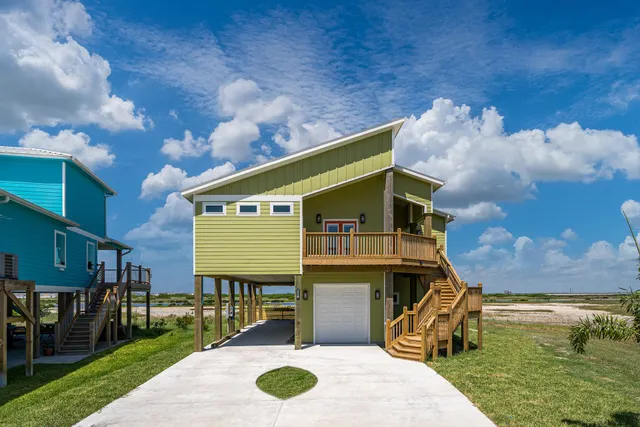
- Foundation Type: Elevated or pilings-based foundations are often recommended in flood-prone areas. Check for signs of settling, cracking, or water damage.
- Roofing and Siding: Durable, corrosion-resistant materials such as metal or fiber cement are ideal. Ensure all fasteners and flashing are intact and free from rust.
- Windows and Doors: Impact-resistant glass and reinforced frames help protect against windborne debris. Inspect seals and weatherstripping for gaps or deterioration.
- Decks and Outdoor Structures: These are particularly vulnerable to moisture and salt. Look for rot, loose connections, or corroded hardware.
- Drainage Systems: Proper grading and functioning gutters are essential to direct water away from the home’s foundation.
Insurance and Regulatory Considerations
Securing adequate insurance is a vital part of any coastal home risk assessment. Standard homeowners policies may not cover flood or hurricane damage, so it’s important to:
- Review your current policy and identify gaps in coverage.
- Consider purchasing additional flood or windstorm insurance.
- Understand local building codes and zoning regulations, which may affect renovation plans or rebuilding after a disaster.
- Check for any required permits or compliance certificates, especially if your home is in a designated high-risk area.
For a deeper dive into building and protecting custom homes by the sea, see this comprehensive guide to building a custom coastal home.

Checklist for Evaluating Coastal Home Risks
To help you organize your assessment, use this practical checklist to review the most important areas:
- Confirm flood zone status and review flood history for the property.
- Inspect foundation and structural supports for signs of water or salt damage.
- Assess roof, siding, and exterior finishes for durability and corrosion resistance.
- Check all windows and doors for impact resistance and secure seals.
- Evaluate drainage systems and landscaping for effective water management.
- Review insurance policies for adequate coverage of coastal-specific hazards.
- Ensure compliance with local building codes and obtain necessary permits.
- Look for signs of erosion, unstable ground, or shifting shoreline.
- Inspect plumbing and electrical systems for corrosion or saltwater intrusion.
- Document any repairs or upgrades needed to improve resilience.
Regularly updating this checklist and conducting annual reviews can help you stay ahead of emerging risks and maintain the long-term value of your property.
Additional Tips for Coastal Homeowners
Beyond the initial risk assessment, consider these ongoing strategies to protect your home:
- Schedule routine maintenance to address minor issues before they become major problems.
- Invest in storm shutters, backup generators, and other emergency preparedness measures.
- Stay informed about local weather alerts and evacuation procedures.
- Engage with community organizations focused on coastal preservation and disaster readiness.
- Educate family members about safety protocols and emergency contacts.
For dog owners, maintaining a clean environment is also part of responsible coastal living. Learn more about how to wash your dog’s harness after the beach to prevent salt and sand buildup.
FAQ: Common Questions About Coastal Home Risk Assessment
What is the most important factor to consider when evaluating a coastal property?
The most critical aspect is understanding the property’s exposure to flooding and storm surge. This includes reviewing flood zone maps, historical flood data, and the elevation of the home relative to sea level. Proper foundation design and flood insurance are essential for mitigating these risks.
How often should a coastal home be inspected for risks?
It’s recommended to perform a comprehensive risk assessment annually, and after any major weather event such as a hurricane or tropical storm. Regular inspections help identify new vulnerabilities caused by shifting conditions or gradual wear and tear.
Are there building materials that are best suited for coastal environments?
Yes, materials like stainless steel, fiber cement, treated wood, and impact-resistant glass are ideal for withstanding salt air, moisture, and high winds. Using corrosion-resistant fasteners and finishes can significantly extend the lifespan of exterior components.
Conclusion
Conducting a detailed coastal home risk assessment is a proactive step for anyone living near the ocean. By addressing environmental hazards, evaluating structural integrity, and ensuring proper insurance coverage, you can safeguard your property and enjoy the unique benefits of coastal living with greater peace of mind. Regularly updating your assessment and staying informed about best practices will help you adapt to changing conditions and protect your investment for years to come.