
Florida is home to a remarkable array of educational outdoor attractions that blend fun, learning, and the beauty of nature. From lush wetlands to coastal preserves, the Sunshine State offers countless opportunities for families, students, and curious explorers to discover local ecosystems, wildlife, and conservation efforts. Whether you’re planning a weekend adventure or seeking hands-on learning experiences, Florida’s nature centers and outdoor destinations provide memorable ways to connect with the environment.
These destinations are more than just scenic spots—they’re living classrooms where visitors can observe native species, participate in interactive exhibits, and gain a deeper understanding of the region’s unique habitats. For those interested in sustainable travel, many of these centers also highlight eco-friendly practices and the importance of preserving Florida’s natural resources. If you’re looking for more ideas for nature-based travel, check out nature based tourism activities for a broader look at sustainable adventures across the state.
Why Explore Nature Centers and Outdoor Learning Spots?
Visiting Florida’s nature centers and outdoor educational sites offers a unique blend of recreation and enrichment. These venues are designed to foster curiosity about the natural world, making them ideal for families, school groups, and solo travelers alike. Many centers feature guided walks, wildlife observation decks, and interactive displays that make learning accessible for all ages.
In addition to their educational value, these attractions often support conservation initiatives and provide safe habitats for endangered species. By supporting these organizations, visitors contribute to the ongoing protection of Florida’s diverse ecosystems.
Top Nature Centers for Outdoor Education in Florida
Florida’s landscape is dotted with exceptional centers dedicated to environmental education. Here are some of the most notable destinations for those seeking educational outdoor attractions in Florida:
1. Corkscrew Swamp Sanctuary
Located near Naples, Corkscrew Swamp Sanctuary is renowned for its ancient cypress forest and thriving wildlife. Visitors can stroll along a 2.25-mile boardwalk that winds through wetlands, pine flatwoods, and marshes. Interpretive signs and knowledgeable volunteers help guests spot alligators, wood storks, and a variety of native plants. The sanctuary’s educational programs focus on wetland ecology and bird conservation, making it a favorite for families and school groups.
2. Loggerhead Marinelife Center
This Juno Beach facility is dedicated to sea turtle conservation and marine education. Guests can tour interactive exhibits, observe rehabilitating sea turtles, and participate in guided beach walks during nesting season. The center’s outreach programs teach visitors about coastal ecosystems, marine debris, and the importance of protecting Florida’s beaches. For those interested in combining learning with adventure, consider pairing your visit with a family boating adventure in Florida for a day full of discovery on and off the water.
3. Rookery Bay Environmental Learning Center
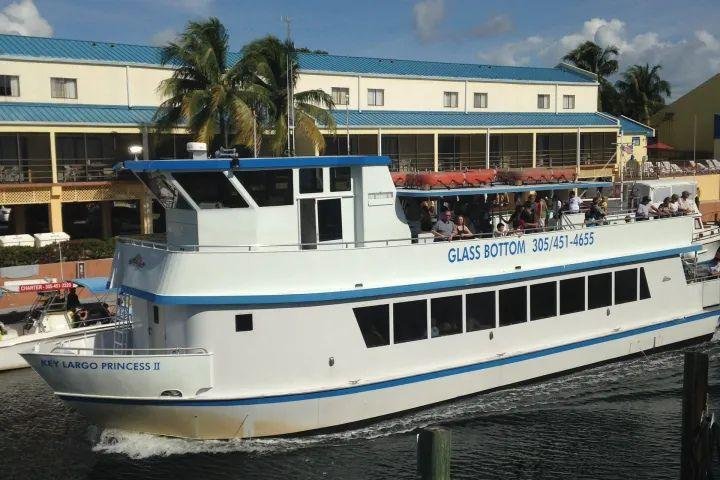
Situated in Naples, Rookery Bay offers a hands-on approach to learning about estuarine environments. The center features aquariums, touch tanks, and interactive exhibits that highlight the importance of mangroves and coastal habitats. Guided boat tours and kayak excursions allow visitors to experience the estuary up close while learning about local wildlife and conservation efforts.
4. Crystal Springs Preserve
This 530-acre sanctuary near Tampa is centered around a natural spring and offers a wealth of educational programs. Visitors can explore boardwalks, hiking trails, and a nature museum. The preserve’s curriculum-based field trips and workshops make it a popular destination for teachers and students interested in water conservation and Florida’s freshwater ecosystems.
5. Gumbo Limbo Nature Center
Located in Boca Raton, Gumbo Limbo is a coastal preserve with a focus on marine life and coastal ecology. The center boasts a butterfly garden, sea turtle rehabilitation facility, and scenic boardwalks through tropical hardwood hammocks. Educational programs cover topics such as marine biology, native plants, and the importance of coastal preservation.
Wildlife Observation and Eco-Friendly Activities
Many of Florida’s outdoor learning destinations offer opportunities for wildlife observation and sustainable recreation. Birdwatching, guided nature walks, and eco-tours are common features at these sites. To enhance your experience, consider bringing a pair of binoculars or polarized sunglasses to spot birds, fish, and other wildlife in their natural habitats.
For those interested in exploring Florida’s waterways, boat tours and kayaking trips provide a unique perspective on local ecosystems. Before heading out, review essential boating safety tips for beginners to ensure a safe and enjoyable outing.
Planning Your Visit to Florida’s Outdoor Learning Destinations
To make the most of your trip, check each center’s website for hours, admission fees, and special events. Many sites offer seasonal programs, guided tours, and workshops that cater to different age groups and interests. Packing essentials like sunscreen, insect repellent, reusable water bottles, and weather-appropriate clothing will help ensure a comfortable experience.
If you’re interested in combining your visit with other eco-friendly activities, consider exploring top eco adventures near the coast for more ideas on sustainable travel in Florida. Many outdoor attractions are located near beaches, parks, and wildlife refuges, making it easy to plan a full day of exploration.
Benefits of Educational Outdoor Experiences
Engaging with nature through hands-on learning has lasting benefits for people of all ages. These experiences foster environmental stewardship, critical thinking, and a sense of wonder about the natural world. For families, outdoor attractions offer a welcome break from screens and a chance to bond over shared discoveries.
Many visitors find that time spent in Florida’s nature centers inspires a lifelong appreciation for conservation and sustainable living. Whether you’re observing manatees in a spring, learning about sea turtle rehabilitation, or hiking through a cypress swamp, each outing provides valuable lessons about the interconnectedness of Florida’s ecosystems.
Frequently Asked Questions
What should I bring when visiting outdoor educational sites in Florida?
It’s best to bring comfortable walking shoes, sunscreen, insect repellent, a hat, and a reusable water bottle. Binoculars and a camera can enhance your wildlife observation experience. Check the weather forecast and dress accordingly for the season.
Are these nature centers suitable for young children?
Yes, most centers offer family-friendly exhibits, interactive displays, and guided programs tailored to children. Many sites have playgrounds, touch tanks, and hands-on activities designed to engage young visitors and spark their curiosity about nature.
How can I support conservation efforts during my visit?
Supporting these attractions by paying admission fees, participating in educational programs, and making donations helps fund conservation initiatives. Following posted guidelines, respecting wildlife, and minimizing waste during your visit also contribute to the protection of Florida’s natural resources.
Discover More Outdoor Learning Opportunities
Florida’s commitment to environmental education is evident in its diverse range of outdoor attractions. Whether you’re interested in marine biology, birdwatching, or wetland ecology, there’s a destination to match your interests. For those seeking even more inspiration, explore family friendly sightseeing cruises or learn about marine wildlife adventure planning to add variety to your itinerary.
With so many options available, planning a trip to one of Florida’s top nature centers is a rewarding way to combine recreation, education, and environmental stewardship. Whether you’re a resident or a visitor, these outdoor learning destinations offer unforgettable experiences and a deeper connection to the natural world.