
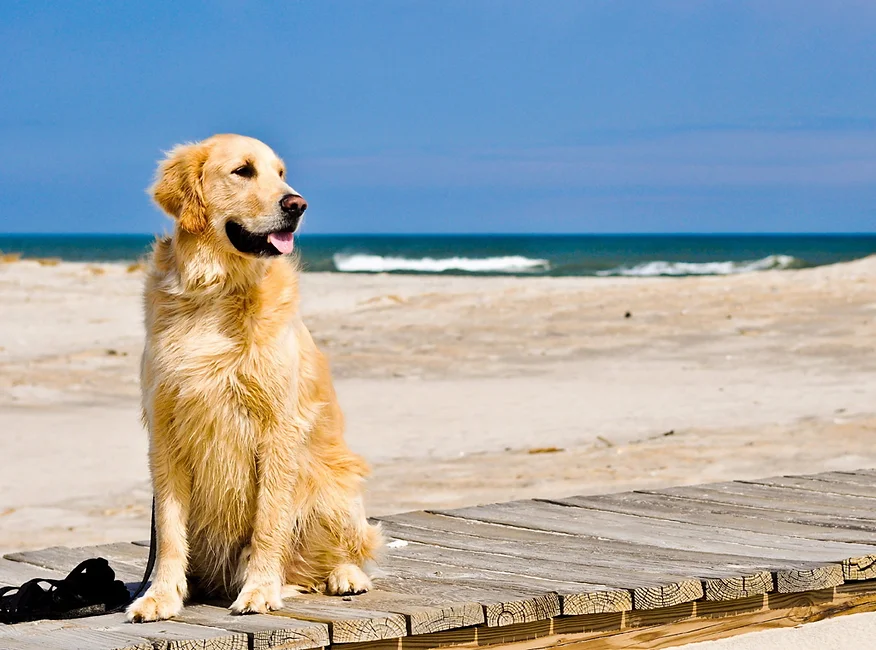
Spending a day by the ocean with your canine companion is a highlight for many pet owners. However, keeping your dog hydrated under the sun is crucial for their health and enjoyment. Knowing how to carry water for your dog at the beach can make the difference between a fun outing and a stressful experience. With the right preparation and gear, you can ensure your pet stays refreshed and safe while enjoying the sand and surf.
Bringing enough fresh water and a practical way to serve it is essential. Saltwater is not safe for dogs to drink, and dehydration can happen quickly in hot, sunny environments. This article covers practical solutions, gear recommendations, and tips for making hydration effortless during your next beach adventure.
For those planning a trip to Florida’s coastline, you might find helpful insights in Jupiter dog beach reviews for pet owners, which offer real feedback on dog-friendly amenities and hydration options at popular spots.
Why Hydration Matters for Dogs at the Beach
Dogs are susceptible to heat exhaustion and dehydration, especially when playing in the sun. Unlike humans, they don’t sweat efficiently and rely on panting to cool down. At the beach, the combination of high temperatures, running, and excitement increases their water needs. Saltwater is not a substitute—drinking it can lead to stomach upset or even salt poisoning.
Signs your dog may be dehydrated include excessive panting, dry nose and gums, lethargy, and loss of skin elasticity. Preventing these issues starts with bringing enough water and offering it frequently throughout your visit.
Choosing the Best Water Containers for the Beach
When considering how to carry water for your dog at the beach, the right container makes all the difference. Here are some popular options:
- Collapsible Bowls: Lightweight, foldable, and easy to pack. These bowls can be tucked into a beach bag or clipped to a leash.
- Dog Water Bottles with Attached Bowls: These all-in-one solutions allow you to squeeze water directly into a built-in bowl, minimizing spills and waste.
- Insulated Bottles: Keeping water cool is important on hot days. Insulated bottles help maintain a refreshing temperature for longer periods.
- Portable Dispensers: Some dispensers feature a gravity-fed design, so your dog can drink as needed without constant refilling.
Choose a container that matches your dog’s size and drinking habits. For longer outings, bring more than one bottle or a larger capacity option.
Effortless Ways to Bring Water for Your Dog
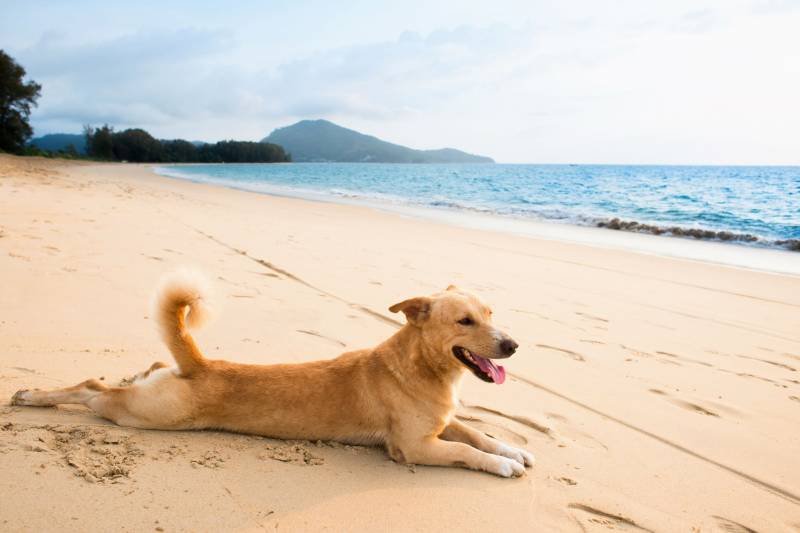
Making hydration easy is all about preparation. Here are some practical strategies for bringing water to the beach for your pet:
- Pre-Fill and Chill: Fill bottles with cold water before leaving home. Freeze one bottle overnight and let it thaw gradually at the beach for a steady supply of cool water.
- Use a Dedicated Dog Backpack: For active dogs, a lightweight backpack can carry their own water and bowl, distributing the load and freeing your hands.
- Clip-On Accessories: Many collapsible bowls and bottles come with carabiners, making them easy to attach to your bag or belt loop.
- Keep Supplies Sand-Free: Store water and bowls in a zippered pouch or plastic container to prevent sand contamination.
Remember to offer water every 15–30 minutes, especially after play or swimming. If your dog is reluctant to drink, try adding a splash of low-sodium broth to the water for extra appeal.
Staying Safe: Avoiding Saltwater and Overheating
Saltwater is never a safe option for canine hydration. Even small amounts can upset your dog’s stomach, and larger quantities may cause serious health problems. Always supervise your dog near the ocean and discourage drinking from puddles or tidal pools.
To further protect your pet, provide shade with a beach umbrella or tent, and take breaks from direct sunlight. Early mornings or late afternoons are cooler times for beach outings. For more safety tips on enjoying the waves, see Jupiter Beach dog jumping in waves safety.
Recommended Dog-Friendly Beaches and Resources
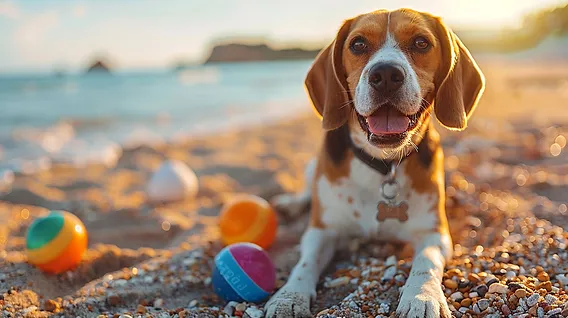
Not all beaches are equally welcoming to pets, and some offer better facilities for hydration and shade. Researching ahead can save time and ensure a smoother experience. For those exploring Florida, check out this guide to dog-friendly beaches in Florida for locations with water stations, shaded areas, and other amenities.
Some beaches provide water fountains or dog wash stations, but it’s always safest to bring your own supply. Look for beaches with easy access to parking and rest areas so you can refill water bottles if needed.
Tips for a Stress-Free Beach Day with Your Dog
- Pack Extra Water: Bring more than you think you’ll need—dogs often drink more when active and in the sun.
- Monitor Your Dog: Watch for signs of overheating or dehydration, and encourage frequent water breaks.
- Keep Water Cool: Use insulated containers or store bottles in a cooler bag to maintain a refreshing temperature.
- Practice at Home: If your dog isn’t used to drinking from portable bowls or bottles, try them out before your trip.
- Clean Up: Rinse bowls and bottles after each use to prevent bacteria buildup, especially after exposure to sand and salt air.
Planning ahead and packing the right supplies will help you focus on fun and safety during your beach adventure. If you’re looking for more ways to make the most of your trip, you might also enjoy exploring Jupiter Beach dog friendly photography spots for memorable moments with your pet.
Frequently Asked Questions
How much water should I bring for my dog at the beach?
Plan on at least one ounce of water per pound of your dog’s body weight per hour of activity. For example, a 40-pound dog may need 40 ounces (about 1.2 liters) for a half-day outing. Always bring extra in case of spills or unexpected delays.
What’s the best way to keep my dog’s water cool at the beach?
Use insulated bottles or freeze water overnight before your trip. Store bottles in a cooler bag or wrap them in a towel to slow down warming. Offering cool water encourages your dog to drink more and helps regulate their body temperature.
Can I use the same water bottle for myself and my dog?
While it’s possible, it’s more hygienic to have separate bottles. Dogs may introduce sand, saliva, or bacteria into the container. Dedicated dog bottles with attached bowls are designed for easy sharing without cross-contamination.
Conclusion
Ensuring your dog stays hydrated at the beach is simple with the right preparation. By selecting a suitable water container, packing extra supplies, and offering frequent breaks, you can keep your pet safe and happy during your seaside adventures. For more tips on planning special outings, see how to plan a dog birthday party at Jupiter Beach and make every trip memorable for both you and your furry friend.