
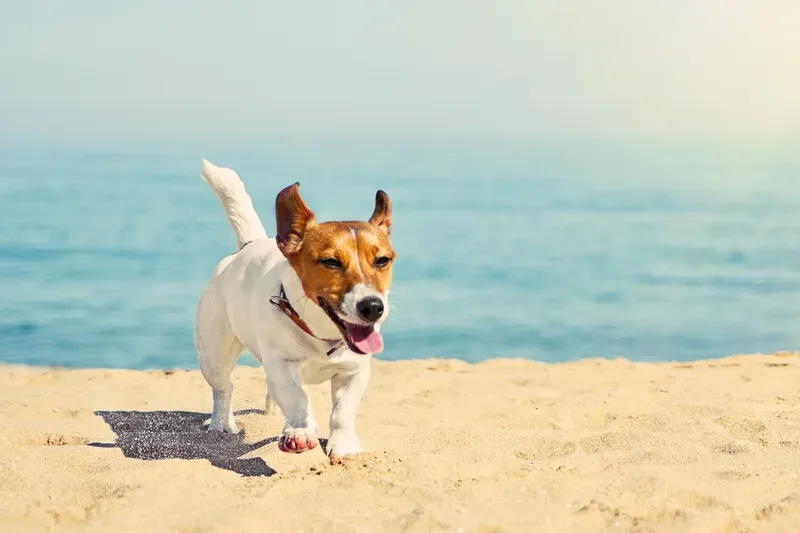
Taking your dog to the beach is a great way to enjoy the outdoors together, but hot weather and direct sun can put your pet at risk for heatstroke. Dogs are especially vulnerable to overheating, as they can’t sweat like humans and rely on panting to cool down. Understanding how to prevent heatstroke in dogs at the beach is crucial for keeping your furry friend safe and healthy during summer outings.
In this article, you’ll find essential advice on recognizing the signs of overheating, practical steps to keep your dog cool, and expert recommendations for safe beach adventures. If you’re planning a trip to a local dog-friendly shoreline, it’s also helpful to know the specific amenities and safety guidelines in your area. For example, you can check out this guide on keeping your dog safe at Jupiter Beach for more location-specific tips.
Understanding Heatstroke in Dogs
Heatstroke occurs when a dog’s body temperature rises to dangerous levels, typically above 104°F (40°C). This condition can develop quickly, especially in hot, humid environments like the beach. Dogs with thick coats, short noses (brachycephalic breeds), or underlying health issues are at even greater risk.
Early signs of overheating include excessive panting, drooling, rapid heartbeat, weakness, and confusion. If left untreated, heatstroke can lead to vomiting, collapse, organ failure, or even death. Recognizing these symptoms early is key to preventing serious complications.
Choosing the Right Time and Place for Beach Visits
One of the most effective ways to avoid heat-related issues is to plan your beach outings during cooler parts of the day. Aim for early mornings or late afternoons when the sun is less intense and sand temperatures are lower. Avoid midday hours, as surfaces can become dangerously hot for your dog’s paws.
Researching the best dog-friendly beaches in your area can help you find locations with shade, freshwater access, and other amenities that support canine safety. Some beaches even provide dog wash stations or shaded rest spots, making it easier to keep your pet comfortable.
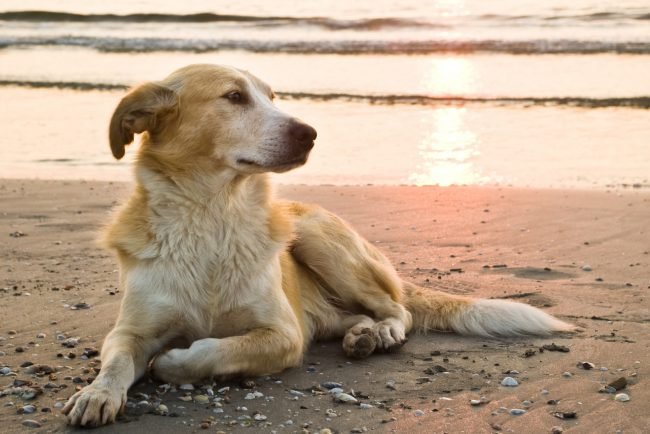
Essential Tips for Preventing Canine Overheating at the Shore
Keeping your dog cool and hydrated is the foundation of preventing heatstroke at the beach. Here are some expert recommendations:
- Bring plenty of fresh water: Always pack more water than you think you’ll need. Offer it to your dog frequently, and never let them drink saltwater, as it can cause dehydration and illness.
- Provide shade: Set up a beach umbrella, pop-up tent, or use natural shade from trees or dunes. Encourage your dog to rest in the shade between play sessions.
- Limit exercise: Avoid strenuous activity during hot weather. Play gentle games and take frequent breaks to allow your dog to cool down.
- Monitor the sand temperature: Hot sand can burn your dog’s paw pads. Test the sand with your hand—if it’s too hot for you, it’s too hot for your pet.
- Use cooling gear: Consider a cooling vest, bandana, or mat designed for dogs. These products can help lower body temperature during beach outings.
- Watch for warning signs: Keep an eye out for heavy panting, drooling, or lethargy. If you notice any symptoms, move your dog to a cool area and offer water immediately.
How to Respond if Your Dog Shows Signs of Heat Stress
If you suspect your dog is overheating, act quickly:
- Move your dog to a shaded or air-conditioned area right away.
- Offer small amounts of cool (not cold) water.
- Wet your dog’s fur with cool water, especially on the belly, paws, and armpits.
- Avoid using ice or very cold water, as this can cause shock.
- Contact your veterinarian immediately, even if your dog seems to recover.
Prompt action can make the difference between a quick recovery and a life-threatening emergency.
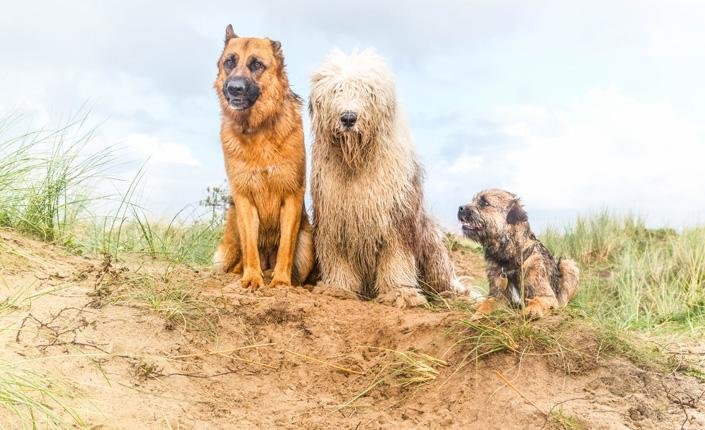
Beach Safety Rules and Local Resources
Every beach has its own set of regulations for dogs. Before heading out, review local guidelines to ensure a safe and enjoyable visit. For example, some beaches have leash requirements, restricted hours, or designated dog zones. You can find detailed information about dog beach rules and amenities in Jupiter, Florida on the official city website.
It’s also helpful to know where to find shaded areas, water stations, and dog wash facilities. For those visiting Jupiter Beach, you might want to check out this guide to dog wash station locations and amenities for added convenience after a sandy play session.
Special Considerations for Different Dog Breeds and Ages
Some dogs are more susceptible to heat than others. Brachycephalic breeds (like Bulldogs, Pugs, and Boxers), senior dogs, puppies, and those with medical conditions require extra care. These dogs may need shorter beach visits, more frequent breaks, and closer supervision.
If you’re unsure about your dog’s risk level, consult your veterinarian before planning a beach day. They can offer personalized advice based on your pet’s health, breed, and activity level.
Additional Resources for Dog Owners
For more information on dog-friendly locations, safety tips, and local amenities, explore these helpful resources:
Frequently Asked Questions
What are the first signs of heatstroke in dogs at the beach?
Early symptoms include excessive panting, drooling, rapid heartbeat, weakness, and confusion. If you notice any of these signs, move your dog to a cool area and offer water immediately.
How can I keep my dog cool during a beach outing?
Provide plenty of fresh water, set up shade, limit exercise, and use cooling gear like vests or mats. Take frequent breaks and avoid the hottest parts of the day.
Is it safe for all dogs to visit the beach in summer?
While many dogs enjoy the beach, some breeds, seniors, puppies, and those with health issues are more prone to overheating. Always monitor your pet closely and consult your vet if you have concerns.