
The coastline of Jupiter, Florida, is a haven for birdwatchers and nature lovers alike. With its diverse mix of beaches, mangroves, estuaries, and protected parks, this region offers some of the best opportunities to observe both resident and migratory bird species. Whether you’re a seasoned birder or just starting out, exploring the Jupiter FL coastal bird habitats reveals a vibrant ecosystem teeming with avian life.
From the iconic ospreys soaring above the Intracoastal Waterway to the delicate sandpipers foraging along the shore, Jupiter’s natural areas are a treasure trove for anyone interested in wildlife. This article will help you discover the top spots, understand what makes these habitats unique, and offer practical tips for a rewarding birdwatching experience.
If you’re planning a visit with your furry companion, you might also want to check out jupiter dog beach reviews for pet owners for tips on pet-friendly beach experiences in the area.
Why Jupiter’s Coastline Is a Birdwatcher’s Paradise
The unique geography of Jupiter creates a mosaic of habitats that attract a remarkable variety of birds. The convergence of freshwater rivers, saltwater inlets, and lush wetlands provides food, shelter, and nesting sites for dozens of species. Seasonal migrations bring even more diversity, with rare and colorful visitors stopping by during spring and fall.
- Beaches and Dunes: Home to shorebirds like plovers, terns, and gulls.
- Mangroves and Estuaries: Essential for wading birds such as herons, egrets, and roseate spoonbills.
- Scrub and Pine Flatwoods: Attract songbirds, woodpeckers, and raptors.
Top Spots to Explore Coastal Birding in Jupiter
Several protected areas and parks in Jupiter offer excellent access to coastal bird habitats. Each location has its own character and highlights, making it worthwhile to visit more than one.
Jupiter Inlet Lighthouse Outstanding Natural Area
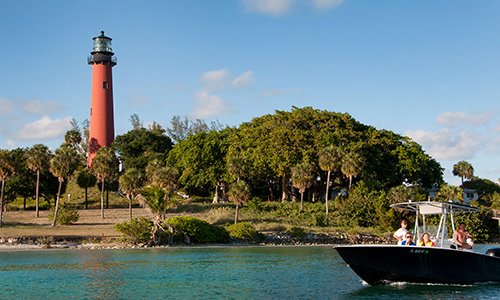
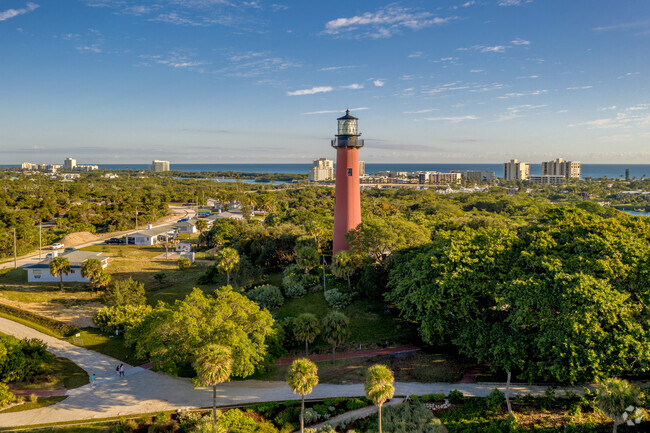
Surrounding the historic lighthouse, this federally protected site features trails through mangroves and upland habitats. Look for ospreys, pelicans, and migratory warblers. Early mornings are especially rewarding, as birds are most active and the area is peaceful.
Blowing Rocks Preserve
Managed by The Nature Conservancy, this preserve is famous for its rocky shoreline and native coastal vegetation. The mix of beach, dune, and maritime hammock habitats supports shorebirds, raptors, and even the occasional painted bunting. Boardwalks and observation platforms make it easy to spot wildlife without disturbing sensitive areas.
DuBois Park and Jupiter Beach Park
These adjacent parks offer a blend of sandy beaches, tidal pools, and mangrove edges. Watch for sanderlings, willets, and laughing gulls along the water’s edge. The nearby inlet is a good place to see brown pelicans diving for fish and, in the right season, flocks of migrating terns.
What Birds Can You Expect to See?
The variety of species found in Jupiter’s coastal habitats is impressive. Here are some of the most common and sought-after birds you might encounter:
- Osprey: Often seen nesting on platforms or hunting over the water.
- Great Egret and Snowy Egret: Elegant white waders found in marshes and along the shore.
- Roseate Spoonbill: Striking pink wader, usually spotted in mangrove areas.
- Black Skimmer: Recognizable by its unique bill and low skimming flight over the water.
- Reddish Egret: Known for its energetic hunting style in shallow water.
- Least Tern: A small, agile seabird that nests on sandy beaches during spring and summer.
- Warblers and Songbirds: Especially abundant during migration seasons in wooded areas.
Tips for Birdwatching Along Jupiter’s Coast
To make the most of your time exploring the Jupiter FL coastal bird habitats, keep these practical tips in mind:
- Bring Binoculars: Essential for spotting distant or small birds without disturbing them.
- Use a Field Guide: A regional bird guide helps with quick identification and learning about local species.
- Dress Appropriately: Lightweight, neutral-colored clothing and sun protection are recommended.
- Visit at the Right Time: Early mornings and late afternoons are best for bird activity and comfortable temperatures.
- Respect Wildlife and Habitats: Stay on marked trails, avoid nesting areas, and keep noise to a minimum.
- Check Local Regulations: Some areas may have restricted access during nesting season or for habitat restoration.
For more ideas on where to go and what to expect, explore birding trails and reviews in Jupiter for up-to-date information from fellow enthusiasts.

Seasonal Highlights and Migration Patterns
Bird activity in Jupiter’s coastal areas changes with the seasons. During spring and fall, migratory species pass through in large numbers, making these months especially exciting for birders. Winter brings an influx of ducks and wading birds, while summer is prime time for nesting terns and plovers on the beaches.
Keep an eye out for rare sightings during migration, such as painted buntings or black-bellied plovers. Local birding groups and online forums often share recent sightings, so it’s worth checking before you head out.
Responsible Birding and Conservation
The health of Jupiter’s bird populations depends on the preservation of their habitats. Many of the region’s parks and preserves rely on community support and responsible visitor behavior. Always follow posted guidelines, avoid disturbing wildlife, and consider participating in local clean-up events or citizen science projects.
If you’re interested in learning more about the area’s natural features, you might also enjoy reading about jupiter beach dog jumping in waves safety for tips on enjoying the shoreline responsibly.
Frequently Asked Questions
What is the best time of year to visit Jupiter for birdwatching?
The most productive months are during spring and fall migrations, when a wide variety of species pass through. Winter is also excellent for observing wading birds and waterfowl, while summer offers opportunities to see nesting shorebirds.
Are there guided birding tours available in Jupiter?
Yes, several local organizations and nature centers offer guided walks and educational programs focused on the region’s coastal bird habitats. Check with local parks or conservation groups for schedules and availability.
Can I bring my dog to birding areas in Jupiter?
Some parks allow leashed dogs, but others restrict pets to protect sensitive wildlife. Always check posted rules before visiting, and consider reading how to plan a dog birthday party at jupiter beach for more information on pet-friendly options in the area.
What equipment should I bring for birdwatching?
Binoculars, a field guide, sun protection, water, and comfortable walking shoes are recommended. A camera with a zoom lens can also be useful for capturing distant birds.
Exploring the Jupiter FL coastal bird habitats is a rewarding way to connect with nature and experience the rich biodiversity of Florida’s Atlantic coast. With a little preparation and respect for the environment, you’ll enjoy memorable encounters with some of the region’s most fascinating wildlife.