

Building homes near the ocean presents unique challenges, especially when it comes to withstanding strong winds and storms. Coastal home framing techniques are specifically designed to address these environmental pressures, ensuring that structures remain safe, durable, and resilient. Understanding the best practices for framing in these areas is crucial for homeowners, builders, and anyone considering a property by the shore.
From reinforced connections to specialized materials, the right approach can make a significant difference in a home’s ability to weather hurricanes and high-wind events. This article explores the essential methods and considerations for framing houses in coastal zones, focusing on both safety and long-term performance.
For those interested in enjoying the coastal lifestyle with their pets, it’s also worth checking out jupiter dog beach reviews for pet owners to discover the best dog-friendly beaches in the area.
Key Principles of Wind-Resistant Framing in Coastal Areas
Homes built near the ocean must be able to withstand not only high winds but also flying debris and potential flooding. The following principles are fundamental to effective coastal home framing techniques:
- Continuous Load Path: Ensuring that every part of the structure is connected from the roof down to the foundation helps distribute wind forces and prevents structural failure.
- Reinforced Connections: Using metal connectors, hurricane ties, and straps at critical joints secures the frame against uplift and lateral forces.
- Elevated Foundations: Raising the home above flood levels protects against storm surges and allows wind to pass beneath the structure, reducing pressure on walls.
- Impact-Resistant Materials: Selecting strong, durable lumber and sheathing materials increases the home’s ability to resist wind and debris.
Materials and Fasteners for Storm-Ready Framing
Choosing the right materials is a cornerstone of robust framing in hurricane-prone regions. Builders often opt for pressure-treated wood, engineered lumber, and corrosion-resistant fasteners to enhance durability and longevity.
- Pressure-Treated Lumber: Resists rot and insect damage, making it ideal for humid, salty environments.
- Galvanized Steel Connectors: Essential for tying together framing members and resisting corrosion over time.
- Sheathing: Plywood or oriented strand board (OSB) with proper nailing patterns increases racking resistance.
- Hurricane Clips and Straps: Secure the roof to the walls and the walls to the foundation, creating a unified structure.
Using these materials and fasteners ensures that the frame can withstand both the direct and indirect effects of severe weather.
Design Strategies for Enhanced Wind Resistance
Beyond materials, the overall design of a coastal home plays a major role in its ability to resist wind damage. Here are some proven strategies:
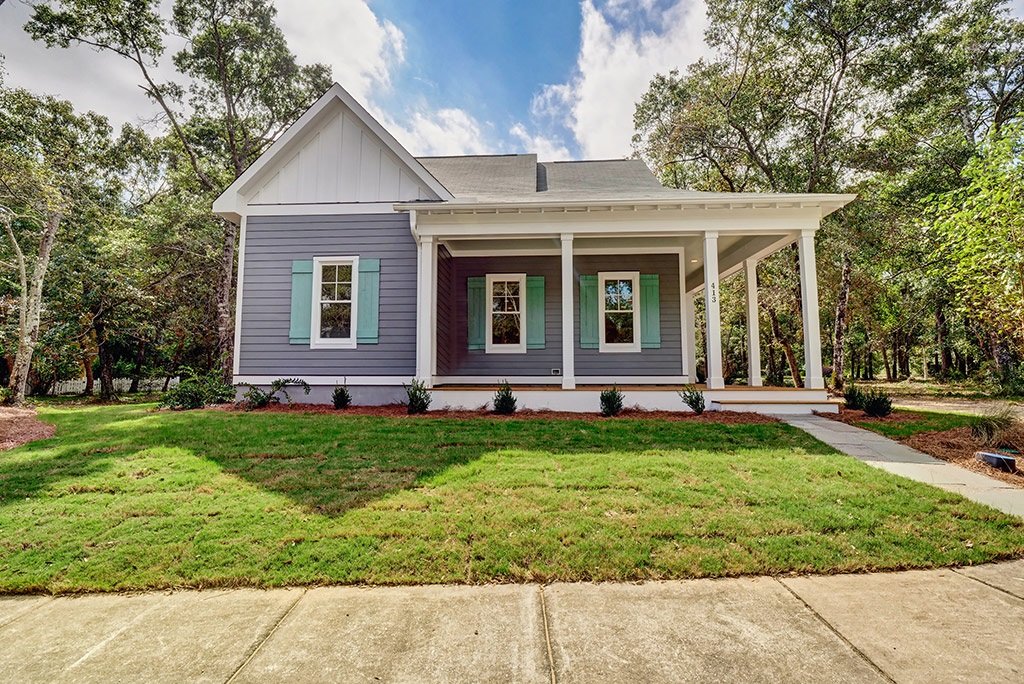
- Simple Rooflines: Gable and hip roofs with minimal overhangs reduce wind uplift and pressure points.
- Symmetrical Shapes: Homes with balanced, compact footprints are less likely to experience uneven wind loads.
- Limited Openings: Reducing the number and size of windows and doors on windward sides minimizes entry points for wind and water.
- Proper Bracing: Diagonal bracing in walls and roof systems adds rigidity and helps the structure resist lateral forces.
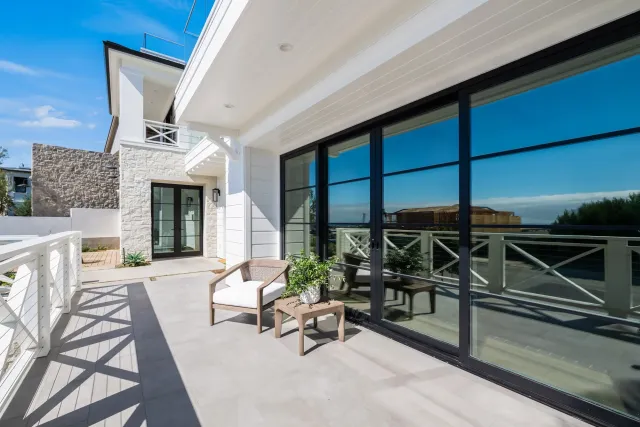
These design choices, when combined with the right framing methods, significantly increase a home’s resilience during storms.
Building Codes and Best Practices for Coastal Construction
Adhering to local building codes is non-negotiable when constructing homes in high-wind zones. Many coastal regions have adopted stringent requirements based on lessons learned from past hurricanes and storms. Some of the most important guidelines include:
- Wind Load Calculations: Structures must be engineered to withstand specific wind speeds, often exceeding 120 mph in hurricane-prone areas.
- Flood Zone Compliance: Homes in designated flood zones must be elevated and use flood-resistant materials below the base flood elevation.
- Inspection Requirements: Regular inspections during construction ensure that all connections and reinforcements meet code.
For a deeper dive into resilient construction methods, consider reading this comprehensive guide to constructing resilient homes in coastal areas, which covers global best practices and innovative solutions.
Maintenance and Upgrades for Long-Term Durability
Even the best-built coastal homes require ongoing maintenance to ensure their framing remains strong. Regular inspections, especially after major storms, can reveal issues such as rusted connectors, wood rot, or loose fasteners. Homeowners should:
- Check for signs of moisture intrusion or corrosion in framing members and connectors.
- Replace any damaged or rusted hardware promptly.
- Seal and paint exposed wood to protect against humidity and salt air.
- Upgrade older homes with modern hurricane ties and bracing where possible.
Proactive care extends the lifespan of the structure and ensures ongoing protection against high winds and storms.
Frequently Asked Questions
What is the most important aspect of framing a home in a coastal area?
The most critical factor is creating a continuous load path from the roof to the foundation. This ensures that wind forces are safely transferred through the structure, minimizing the risk of catastrophic failure during storms.
How do hurricane ties and straps improve wind resistance?
Hurricane ties and straps connect framing members at key points, such as where the roof meets the walls and where the walls meet the foundation. These metal connectors prevent uplift and lateral movement, which are common causes of structural damage in high winds.
Are there any design features that should be avoided in coastal homes?
Yes, complex rooflines, large overhangs, and excessive windows or doors on windward sides can increase vulnerability. Simple, symmetrical designs with minimal openings are best for maximizing wind resistance.
How often should coastal home framing be inspected?
It’s recommended to inspect the framing annually and after any major storm event. Look for signs of corrosion, water damage, or loose connections, and address any issues promptly to maintain structural integrity.
Conclusion
Constructing homes in coastal environments demands specialized knowledge and attention to detail. By following proven coastal home framing techniques, selecting the right materials, and adhering to local codes, builders and homeowners can create structures that offer safety, comfort, and peace of mind—even in the face of severe weather. Ongoing maintenance and periodic upgrades further ensure that these homes remain secure for years to come.