
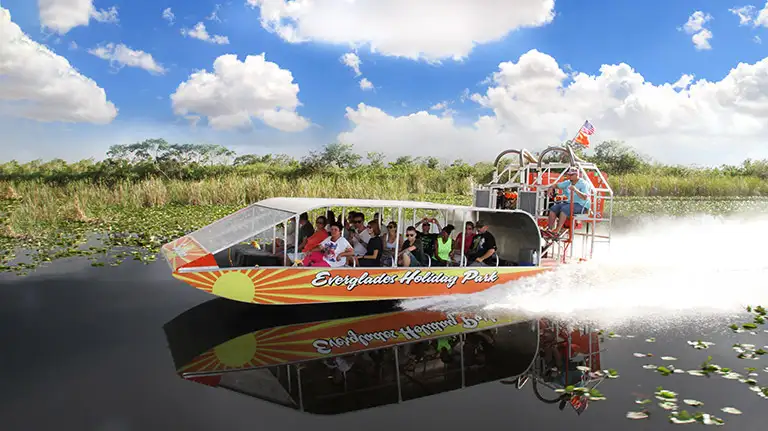
Exploring the wonders of our oceans and coastal habitats is more than just a scenic adventure—it’s an opportunity to deepen understanding of the intricate balance that sustains marine life. Marine ecosystem education trips offer an immersive way to learn about biodiversity, conservation, and the science behind the world’s aquatic environments. Guided science boat cruises, in particular, provide hands-on experiences that connect participants with marine research, wildlife observation, and environmental stewardship.
Whether you’re a student, educator, family, or curious traveler, these educational outings blend discovery with fun. They’re also an excellent complement to other nature-based activities, such as discovering Florida’s hidden coastal gems or planning best outdoor learning experiences in Florida. Let’s dive into what makes these science cruises unique, what to expect, and how to make the most of your journey.
What Are Science Boat Cruises?
Science boat cruises are guided excursions designed to educate participants about the dynamics of marine ecosystems. Led by marine biologists or trained naturalists, these trips typically take place on research vessels or eco-friendly boats equipped with scientific tools. The goal is to provide an interactive learning experience, allowing guests to observe marine life, participate in data collection, and understand the importance of ocean conservation.
Unlike standard sightseeing tours, these cruises focus on hands-on engagement. Activities may include water sampling, plankton netting, wildlife spotting, and discussions about local habitats. This approach makes the learning process both memorable and impactful, especially for those interested in environmental science or sustainable travel.
Benefits of Marine Ecosystem Education Trips
Participating in a guided marine science cruise offers a range of benefits for individuals, families, and educational groups:
- Interactive Learning: Guests can handle scientific equipment, analyze samples, and ask questions directly to experts.
- Wildlife Encounters: Many trips provide opportunities to observe dolphins, sea turtles, seabirds, and even manatees in their natural habitats.
- Environmental Awareness: These outings foster a deeper appreciation for the challenges facing our oceans, such as pollution and habitat loss.
- Memorable Experiences: The combination of adventure and education creates lasting memories and may inspire future conservation efforts.
For families, these trips can be a highlight of a vacation, especially when paired with other activities like family boating adventures in Florida or exploring local nature reserves.
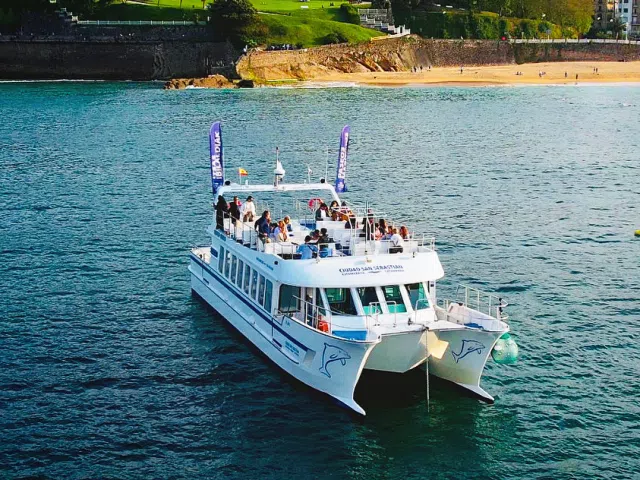
What to Expect on a Marine Science Cruise
Each educational boat trip is unique, but most follow a similar structure to maximize both learning and enjoyment. Here’s what you can typically expect:
- Expert Guidance: Knowledgeable guides explain the local ecosystem, answer questions, and demonstrate scientific techniques.
- Field Activities: Guests may participate in water quality testing, plankton sampling, or seafloor mapping.
- Wildlife Observation: The chance to spot marine mammals, fish, and birds is a highlight for many participants. Binoculars and field guides are often provided or recommended.
- Conservation Insights: Guides discuss the importance of protecting marine environments and share tips on sustainable practices.
Many cruises also incorporate elements of citizen science, encouraging guests to contribute to ongoing research projects. This hands-on involvement helps reinforce the value of stewardship and responsible tourism.
How to Prepare for Your Educational Adventure
To get the most out of your marine learning experience, a little preparation goes a long way. Here are some practical tips:
- Dress Appropriately: Wear lightweight, sun-protective clothing and bring a hat. Non-slip shoes are recommended for safety on deck.
- Bring Essentials: Sunscreen, reusable water bottles, and a camera or smartphone for photos are must-haves. Binoculars and sunglasses can enhance wildlife viewing—see the recommendations above for reliable gear.
- Pack Light: Space may be limited on board, so only bring what you need. For more advice, check out this guide on packing for a wildlife photography expedition.
- Be Ready to Participate: Many cruises encourage guests to help with sampling or data recording. Don’t hesitate to get involved!
It’s also wise to check the weather forecast and confirm trip details with your tour provider in advance. Some cruises may be affected by tides or seasonal wildlife patterns.
Choosing the Right Marine Education Experience
There are a variety of options available, from short eco-tours to full-day research expeditions. When selecting a trip, consider the following:
- Group Size: Smaller groups often allow for more personalized attention and better access to guides.
- Focus Area: Some cruises emphasize wildlife watching, while others delve into water chemistry, geology, or conservation topics.
- Accessibility: Check if the vessel is suitable for all ages and abilities, especially if traveling with children or seniors.
- Location: Coastal regions, estuaries, and marine reserves are popular starting points for these adventures. For more ideas, explore nature based tourism activities in your area.
Reading reviews and asking about the background of the guides can help ensure a rewarding and informative experience.
Supporting Conservation Through Responsible Tourism
Participating in marine ecosystem education trips is not only educational but also supports local conservation efforts. Many operators partner with research institutions or donate a portion of proceeds to marine protection initiatives. By choosing reputable providers and following responsible travel practices, guests contribute to the preservation of fragile habitats.
Consider combining your boat cruise with other sustainable activities, such as beach cleanups or guided hikes. For tips on planning an eco-friendly itinerary, see these coastal sightseeing travel tips.
Frequently Asked Questions
What age groups are suitable for marine science cruises?
Most guided boat trips are designed for a wide range of ages, from young children to adults. Some tours offer special programs for school groups or families, while others may be tailored for older students or adults interested in advanced topics. Always check with the provider for age recommendations and safety guidelines.
Do I need any prior knowledge to join a marine education trip?
No previous experience is required. Guides explain concepts in an accessible way, making these trips ideal for beginners and enthusiasts alike. Curiosity and a willingness to participate are the only prerequisites.
What wildlife might I see on a science boat cruise?
Depending on the region and season, you might encounter dolphins, sea turtles, manatees, rays, seabirds, and a variety of fish and invertebrates. While sightings can’t be guaranteed, guides use their expertise to maximize opportunities for observation.
Conclusion
Guided science cruises offer a unique blend of adventure, education, and conservation. They’re an excellent way to experience the richness of marine environments while gaining a deeper understanding of the challenges and opportunities facing our oceans. Whether you’re seeking a family outing, a school field trip, or a personal learning journey, these trips provide an unforgettable window into the world beneath the waves. For more inspiration on outdoor learning and sustainable travel, explore related resources and consider making marine education a highlight of your next coastal adventure.