
Florida offers a wealth of opportunities for families, educators, and curious explorers to engage with nature and science in hands-on ways. From lush wetlands and coastal preserves to interactive science centers, the Sunshine State is a living classroom. Whether you’re planning a family outing, a school field trip, or just want to discover new ways to learn outdoors, this guide highlights some of the best outdoor learning experiences in Florida that combine fun, adventure, and education.
With its unique ecosystems, abundant wildlife, and year-round sunshine, Florida is the perfect place to nurture curiosity about the natural world. Early in your planning, it’s helpful to explore resources like family boating adventures in Florida for ideas on water-based outings that blend recreation and learning. Many of these activities are suitable for all ages and can be tailored to different interests, from marine biology to environmental stewardship.
Exploring Florida’s Natural Science Parks and Preserves
One of the most rewarding ways to experience outdoor learning in Florida is by visiting its many state parks, preserves, and nature centers. These sites offer guided tours, educational programs, and self-guided trails that introduce visitors to Florida’s diverse habitats and wildlife.
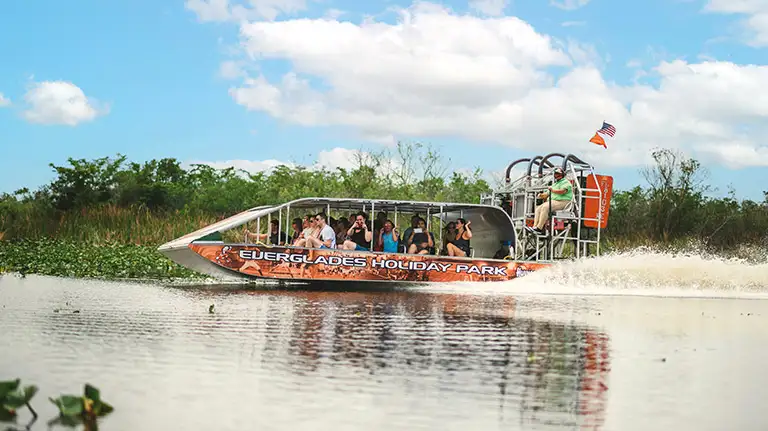
- Everglades National Park: Known for its vast wetlands, this UNESCO World Heritage site provides ranger-led walks, boat tours, and wildlife spotting. Learn about alligators, wading birds, and the importance of wetland conservation.
- Archbold Biological Station: Located in Venus, Florida, this research center offers public hikes and educational events focused on Florida’s rare scrub ecosystem and native species.
- John D. MacArthur Beach State Park: This coastal park in North Palm Beach features nature trails, estuary explorations, and sea turtle talks, making it a favorite for families and school groups.
Many of these parks provide hands-on activities such as water sampling, birdwatching, and plant identification. For those interested in marine life, consider planning a trip with a focus on marine wildlife adventure planning to maximize your chances of seeing dolphins, manatees, and other sea creatures up close.
Hands-On Science at Outdoor Centers and Museums
Florida’s outdoor science centers and museums bring learning to life through interactive exhibits and open-air experiences. These venues are designed to spark curiosity and make science accessible to all ages.
- Loggerhead Marinelife Center (Juno Beach): Dedicated to sea turtle conservation, this center offers outdoor exhibits, guided beach walks, and opportunities to observe turtle rehabilitation in action.
- Florida Oceanographic Coastal Center (Stuart): Explore touch tanks, nature trails, and feeding demonstrations that highlight the region’s marine ecosystems.
- Mote Marine Laboratory & Aquarium (Sarasota): While the main aquarium is indoors, Mote’s field stations and educational boat tours provide immersive outdoor learning about marine science and conservation.
Many of these centers offer seasonal camps, family workshops, and citizen science projects. Don’t forget to bring essentials like sun protection and binoculars—tools that can enhance your experience and help you spot wildlife from a safe distance.
Water-Based Learning: Boating, Kayaking, and Cruises
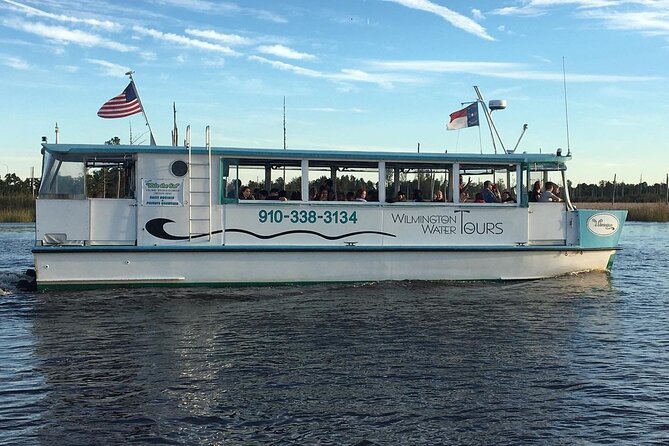
Florida’s extensive coastline, rivers, and lakes provide endless options for water-based science adventures. Guided boat tours, kayaking excursions, and sightseeing cruises are excellent ways to learn about aquatic ecosystems, water safety, and local history.
For families, family friendly sightseeing cruises offer a relaxing way to observe dolphins, manatees, and seabirds while learning from knowledgeable guides. Kayak and canoe rentals are widely available at state parks and nature preserves, allowing for up-close exploration of mangroves, springs, and estuaries.
Before heading out on the water, it’s important to review essential boating safety tips for beginners to ensure a safe and enjoyable outing. Many outfitters provide basic instruction and safety gear, making these experiences accessible even for first-timers.
Wildlife Encounters and Citizen Science
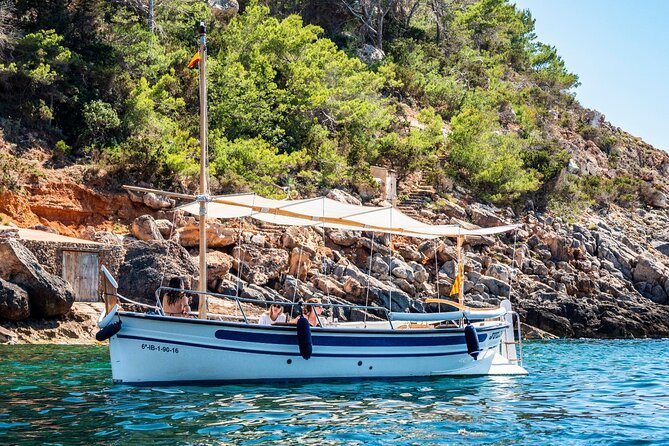
Observing wildlife in its natural habitat is a highlight of any outdoor educational experience in Florida. From birdwatching in the Everglades to spotting dolphins along the coast, these encounters can inspire a lifelong appreciation for conservation and science.
Participating in citizen science projects is a great way to contribute to ongoing research while learning. Many parks and organizations invite visitors to help monitor sea turtle nests, count birds, or record water quality data. For more tips on where to find unique animal encounters, check out this resource on the best wildlife encounters in South Florida.
To get the most out of wildlife watching, bring a field guide, binoculars, and a notebook for observations. Respect wildlife by keeping a safe distance and following posted guidelines to protect both animals and habitats.
Planning Your Outdoor Science Adventure
To make the most of your time exploring Florida’s natural wonders, consider these practical tips:
- Check program schedules: Many parks and centers offer seasonal events, guided walks, and workshops. Plan ahead to join scheduled activities.
- Pack essentials: Bring water, snacks, sun protection, insect repellent, and appropriate footwear. A hat and sunglasses can make outdoor exploration more comfortable.
- Engage with guides: Take advantage of ranger talks, guided tours, and educational signage. Asking questions can lead to deeper understanding and memorable experiences.
- Practice Leave No Trace: Help preserve Florida’s ecosystems by staying on marked trails, disposing of waste properly, and respecting wildlife.
For those interested in marine mammals, learning about understanding dolphin social structures can add another layer of insight to your coastal adventures.
FAQ: Outdoor Learning and Nature Science in Florida
What are some must-visit places for outdoor science activities in Florida?
Top destinations include Everglades National Park, John D. MacArthur Beach State Park, Loggerhead Marinelife Center, and the Florida Oceanographic Coastal Center. Each offers unique programs and habitats for hands-on learning.
Are these outdoor learning experiences suitable for young children?
Yes, many parks and centers design activities specifically for families and children. Look for junior ranger programs, touch tanks, and guided nature walks tailored to younger audiences.
How can I prepare for a safe and enjoyable outdoor adventure?
Review safety guidelines, especially for water-based activities. Bring essentials like water, sun protection, and appropriate gear. Check for weather updates and program schedules before your trip.
Can I participate in citizen science projects as a visitor?
Absolutely. Many organizations welcome volunteers and visitors to join in data collection, wildlife monitoring, and conservation efforts. Ask at visitor centers about current opportunities.
What’s the best time of year for outdoor learning in Florida?
Florida’s mild winters and spring months are ideal for outdoor activities, but many programs run year-round. Summer can be hot and humid, so plan for early morning or late afternoon outings and stay hydrated.
Florida’s natural landscapes and science centers offer endless opportunities for discovery. With a little planning and curiosity, you can enjoy some of the best outdoor learning experiences in Florida while fostering a deeper connection to nature and science.