
Protecting dolphins, whales, seals, and other marine mammals is more urgent than ever. Oceans face threats from pollution, climate change, overfishing, and habitat destruction, all of which put these remarkable creatures at risk. Marine mammal conservation education empowers people of all ages to understand these challenges and take meaningful action. Whether you’re a student, traveler, or simply passionate about wildlife, learning about ocean conservation can help you make a real difference.
In this guide, you’ll discover practical ways to get involved, from responsible wildlife watching and supporting research to making sustainable choices in daily life. You’ll also find resources for families and travelers interested in eco-friendly adventures, including options for family boating adventures in Florida and other nature-based tourism activities. By spreading awareness and adopting conservation-minded habits, everyone can play a part in safeguarding marine mammals for future generations.
Why Ocean Wildlife Needs Our Help
Marine mammals are vital to healthy ocean ecosystems. They help regulate food webs, maintain balance among species, and even influence the carbon cycle. Unfortunately, many populations are declining due to:
- Entanglement in fishing gear
- Plastic and chemical pollution
- Loss of habitat from coastal development
- Noise pollution from ships and industry
- Climate change affecting food sources and migration
Education is the first step toward reversing these trends. By understanding the issues, individuals and communities can advocate for better policies, support research, and adopt more sustainable behaviors.
Key Elements of Marine Mammal Conservation Education
Effective programs go beyond facts and figures. They inspire curiosity, foster empathy, and provide actionable steps for people to help. Here are some essential components:
- Awareness campaigns that highlight threats and solutions
- Hands-on activities like beach cleanups and citizen science
- Responsible wildlife tourism that funds conservation
- School and community workshops tailored to different age groups
- Partnerships between scientists, educators, and local organizations
Many conservation groups offer free resources, lesson plans, and volunteer opportunities. Getting involved locally or online can amplify your impact.
Responsible Wildlife Watching and Eco-Tourism
One of the most engaging ways to learn about marine mammals is to see them in their natural habitat. However, it’s crucial to choose tours and activities that prioritize animal welfare and environmental protection. Ethical wildlife watching supports conservation by funding research and raising awareness, while minimizing disturbance to animals.
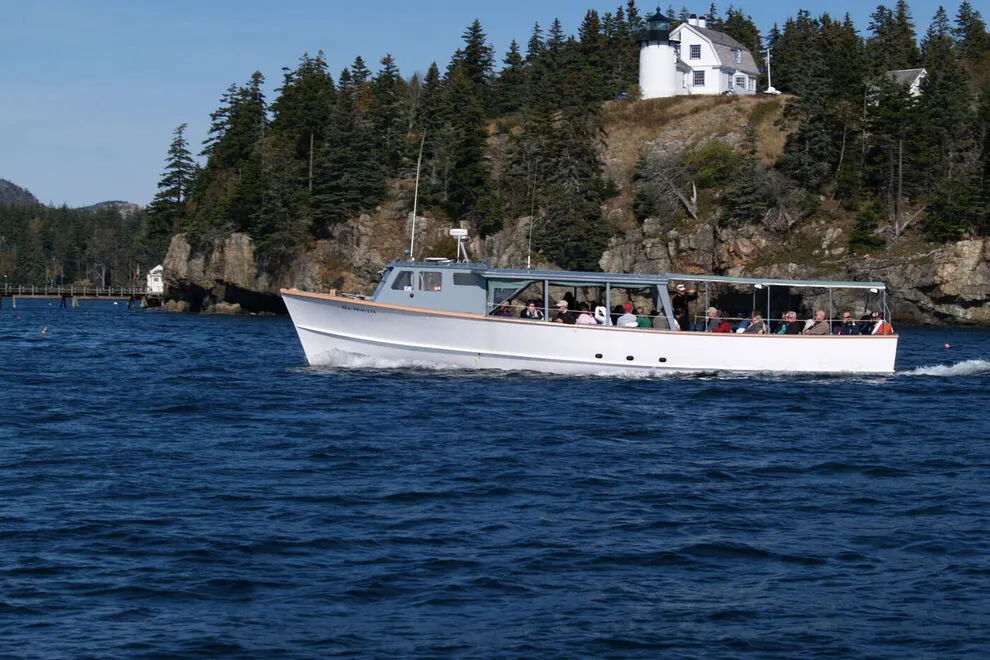
When planning your next trip, look for certified eco-tours or guides who follow best practices, such as keeping a respectful distance from animals and never feeding or chasing them. For inspiration, check out options for family friendly sightseeing cruises or learn more about marine wildlife adventure planning for responsible travel tips.
Preparing for a Wildlife-Focused Trip
Before heading out, research your destination and the species you might encounter. Bring essentials like binoculars and polarized sunglasses to observe animals safely and comfortably. For more advice, see this comprehensive guide to preparing for a wildlife trip.
Everyday Actions That Support Ocean Conservation
You don’t need to live near the coast to make a difference. Everyday choices can have a positive impact on marine mammals and their habitats. Here are some practical steps:
- Reduce single-use plastics and properly dispose of waste
- Choose sustainable seafood certified by reputable organizations
- Support legislation that protects marine environments
- Participate in local cleanups or citizen science projects
- Educate friends and family about ocean conservation
Even small changes, when multiplied across communities, can help reduce threats to marine wildlife.
Family and Community Involvement in Ocean Education
Getting families and local groups involved is key to building a culture of conservation. Many organizations offer programs for children, teens, and adults that combine fun with learning. Activities might include:
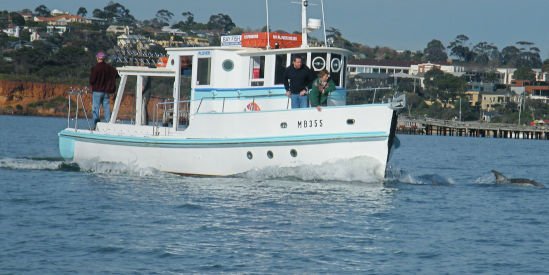
- Guided nature walks and boat tours
- Interactive workshops at aquariums or science centers
- Art and storytelling projects focused on marine life
- School partnerships with conservation groups
For those in Florida, exploring nature based tourism activities is a great way to connect with local wildlife and support sustainable travel initiatives. These experiences foster appreciation for the ocean and inspire lifelong stewardship.
Supporting Research and Advocacy
Scientific research is the backbone of effective conservation. By supporting organizations that study marine mammals, you help fund vital work such as population monitoring, rescue operations, and habitat restoration. Many groups offer opportunities to donate, volunteer, or participate in citizen science projects, allowing you to contribute directly to ongoing efforts.
Advocacy is equally important. Stay informed about local and global issues affecting ocean wildlife, and use your voice to support policies that protect marine habitats. Sharing information on social media, attending public meetings, or writing to elected officials can all help drive positive change.
Inspiring the Next Generation of Ocean Stewards
Education is most powerful when it sparks curiosity and a sense of responsibility. Encourage young people to explore the wonders of the ocean, ask questions, and get involved in hands-on activities. Books, documentaries, and interactive exhibits can all help nurture a lifelong passion for marine conservation.
For those seeking memorable experiences, consider planning outings focused on observing wildlife. Resources like the best wildlife encounters in South Florida can help families and groups find ethical, educational adventures that support both learning and conservation.
Frequently Asked Questions
What are the main threats facing marine mammals today?
The biggest dangers include entanglement in fishing gear, plastic and chemical pollution, habitat loss, noise from boats and industry, and the impacts of climate change on food sources and migration patterns.
How can I get involved in marine mammal conservation if I don’t live near the ocean?
There are many ways to help, even from inland areas. Reduce plastic use, support sustainable seafood, participate in citizen science projects online, and educate others about ocean conservation. Donating to or volunteering with reputable organizations also makes a difference.
What should I look for in an ethical wildlife tour?
Choose operators who follow responsible guidelines, such as maintaining a safe distance from animals, never feeding or chasing wildlife, and supporting local conservation efforts. Look for certifications or partnerships with recognized conservation groups.
How does marine mammal conservation education benefit local communities?
It raises awareness, supports sustainable tourism, creates jobs, and fosters pride in protecting local wildlife and habitats. Engaged communities are more likely to advocate for strong environmental protections and sustainable development.
Conclusion
Protecting ocean wildlife is a shared responsibility. Through marine mammal conservation education, people of all backgrounds can learn, act, and inspire others to care for our planet’s most vulnerable species. By making informed choices, supporting ethical tourism, and spreading awareness, everyone can help ensure a brighter future for marine mammals and the ecosystems they call home.