
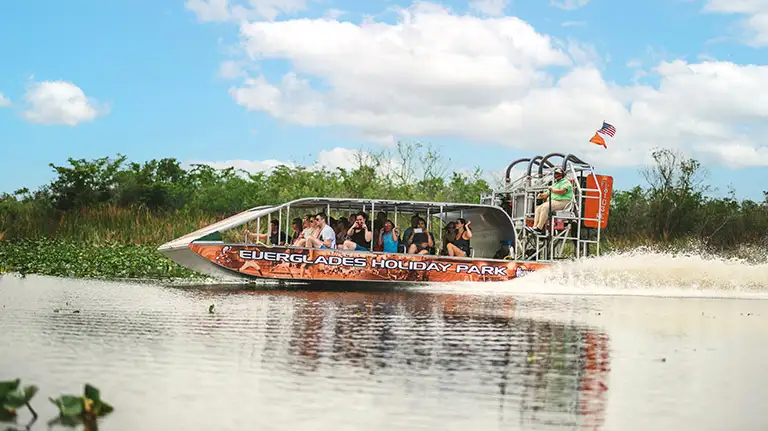
Exploring nature from the water offers a unique perspective on wildlife and their habitats. However, increased boating activity can disturb sensitive ecosystems if not approached thoughtfully. Adopting responsible wildlife viewing practices ensures that your time on the water is both enjoyable and sustainable, helping to protect the animals and environments you love to visit.
Whether you’re an avid boater, a family seeking outdoor adventures, or a curious traveler, understanding how to minimize your impact while observing wildlife is essential. This guide covers practical, eco-friendly boating tips and highlights the importance of ethical behavior on the water. For those interested in discovering more about Florida’s natural wonders, check out discovering Florida’s hidden coastal gems for inspiration on lesser-known nature spots.
Why Ethical Wildlife Observation Matters
Watching animals in their natural environment is a privilege that comes with responsibility. Boating can disrupt feeding, nesting, or resting behaviors, especially for species sensitive to noise and movement. By prioritizing eco-friendly boating and ethical viewing, you help preserve these experiences for future generations and maintain the delicate balance of aquatic ecosystems.
Practicing respect for wildlife also aligns with the principles of nature based tourism activities, supporting sustainable travel and conservation efforts in popular destinations like Florida.
Key Principles of Responsible Wildlife Viewing
Adhering to a few core guidelines can make a significant difference in minimizing your impact on wildlife. Here are foundational principles to follow:
- Keep Your Distance: Always observe animals from afar. Use binoculars or a camera with a zoom lens to avoid approaching too closely.
- Minimize Noise: Reduce engine noise and avoid sudden movements. Approach observation areas slowly and quietly.
- Never Feed Wildlife: Feeding disrupts natural behaviors and can harm animals’ health.
- Respect Nesting and Breeding Sites: Steer clear of areas where animals are nesting, breeding, or raising young.
- Leave No Trace: Take all trash with you, avoid disturbing vegetation, and never anchor on sensitive habitats like seagrass beds or coral reefs.
Eco-Friendly Boating Tips for Wildlife Encounters
When you’re on the water, small actions can have a big impact. Incorporate these responsible wildlife viewing practices into your boating routine:
- Plan Ahead: Research local wildlife, seasonal patterns, and protected areas before heading out. Many regions have guidelines or restricted zones to protect sensitive species.
- Use Eco-Friendly Gear: Choose non-toxic sunscreen, reusable water bottles, and environmentally safe cleaning products for your boat.
- Watch for Signs: Look for posted signs or buoys indicating wildlife zones, slow-speed areas, or no-wake zones. These are often in place to protect manatees, dolphins, birds, and other species.
- Operate at Safe Speeds: Slow down in shallow waters, near shorelines, and in areas known for wildlife activity. This reduces the risk of collisions and wake damage.
- Anchor Responsibly: Use designated anchoring spots or mooring buoys to avoid damaging underwater habitats.
Best Practices for Photographing and Observing Animals
Capturing memories of your wildlife encounters can be rewarding, but it’s important to do so without disturbing the animals. Here are some tips for ethical observation and photography:
- Stay Quiet and Still: Sudden movements or loud noises can startle wildlife. Remain calm and let animals approach if they choose.
- Use Binoculars: High-quality binoculars allow you to observe details from a safe distance, supporting ethical viewing.
- Respect Animal Behavior: If an animal changes its behavior, moves away, or appears agitated, it’s time to back off.
- Limit Viewing Time: Prolonged presence can stress animals. Observe for a few minutes, then move on to allow them to resume normal activities.
Safety and Boating Etiquette for Wildlife Areas
Maintaining safety on the water goes hand-in-hand with protecting wildlife. Following basic boating etiquette ensures a positive experience for everyone:
- Wear Proper Safety Gear: Life jackets, sun protection, and polarized sunglasses are essential for safe and comfortable outings.
- Be Aware of Other Boaters: Give space to paddlers, kayakers, and other vessels, especially in narrow channels or near wildlife hotspots.
- Educate Your Group: Share guidelines with everyone on board, especially children, to foster a culture of respect for nature.
- Report Injured Wildlife: If you encounter an injured animal, contact local authorities or wildlife rescue organizations for assistance.
For more tips on staying safe while boating, visit this comprehensive boating safety guide for beginners.
Supporting Conservation Through Your Actions
Every boater can contribute to conservation efforts by making informed choices on the water. Consider participating in local clean-up events, supporting wildlife organizations, or volunteering for habitat restoration projects. Sharing your knowledge about responsible wildlife viewing practices with others helps build a community committed to protecting our natural resources.
If you’re interested in family-friendly activities that promote environmental stewardship, explore family boating adventures in Florida for ideas on fun and educational outings.
Frequently Asked Questions
What should I do if I accidentally disturb wildlife while boating?
If you notice animals reacting to your presence—such as fleeing, vocalizing, or displaying signs of stress—move away slowly and quietly. Avoid lingering in the area, and use this as a learning opportunity to adjust your approach in the future.
Are there specific rules for boating near protected species?
Yes. Many areas have regulations regarding minimum approach distances, speed limits, and restricted zones to protect species like manatees, dolphins, and nesting birds. Always check local guidelines before your trip and follow posted signs on the water.
How can I teach children about ethical wildlife observation?
Lead by example and explain the reasons behind each guideline. Encourage kids to use binoculars, observe quietly, and respect animals’ space. For more educational content, visit marine wildlife facts for children for fun facts and learning resources.
Conclusion
Practicing responsible wildlife viewing practices while boating is essential for preserving the beauty and diversity of our waterways. By keeping a respectful distance, minimizing disturbance, and following eco-friendly habits, you help ensure that wildlife and their habitats remain healthy for generations to come. Enjoy your time on the water, and remember that every small action counts toward a more sustainable future.