
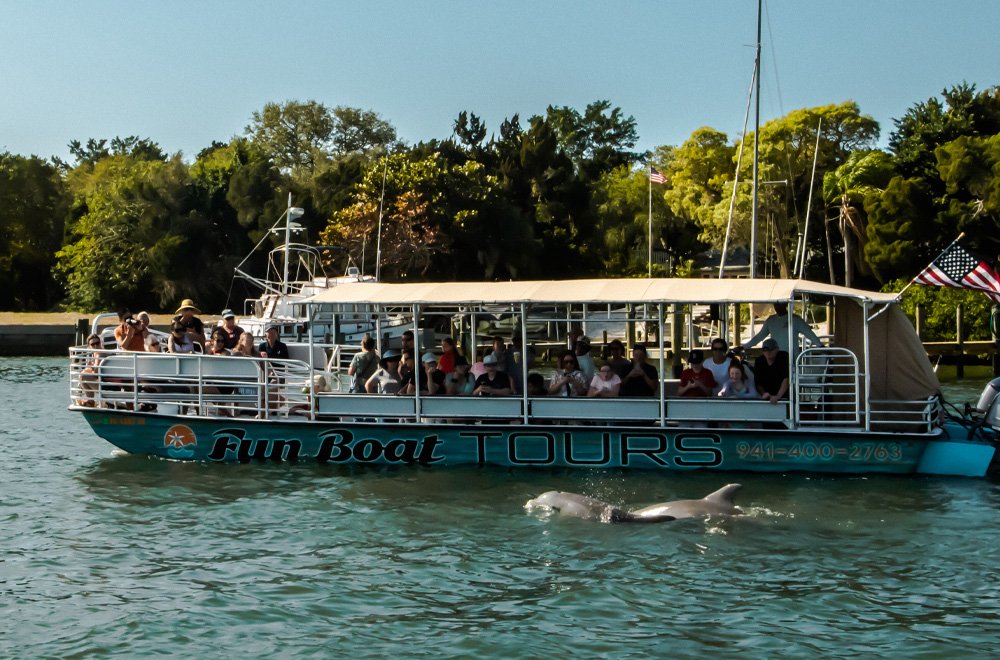
The ocean is home to some of the most fascinating and intelligent creatures on Earth. From playful dolphins to mysterious deep-sea dwellers, marine life never fails to surprise us with its diversity and complexity. Whether you’re an ocean enthusiast or simply curious about what lies beneath the waves, learning fun facts about dolphins and marine life can deepen your appreciation for the sea and its inhabitants.
In this article, we’ll dive into a collection of surprising trivia, highlight unique behaviors, and share insights that will delight anyone passionate about the marine world. If you’re interested in exploring more about the wonders of the coast, don’t miss our guide on discovering Florida’s hidden coastal gems for even more inspiration.
Incredible Dolphin Intelligence and Social Life
Dolphins are renowned for their remarkable intelligence and complex social structures. These marine mammals communicate using a variety of sounds, including clicks, whistles, and body movements. Some species, like the bottlenose dolphin, even have signature whistles that function much like human names.
- Dolphins use tools: In some regions, dolphins have been observed covering their snouts with sponges to protect themselves while foraging on the seafloor.
- They recognize themselves in mirrors: This self-awareness is rare in the animal kingdom and highlights their advanced cognitive abilities.
- Strong social bonds: Dolphins form tight-knit pods and often cooperate to hunt or protect each other from predators.
For families looking to experience these amazing animals in their natural habitat, consider exploring family boating adventures in Florida, where dolphin sightings are a highlight for all ages.
Surprising Adaptations of Ocean Creatures
The ocean’s inhabitants have evolved extraordinary adaptations to survive and thrive in diverse environments. Here are some lesser-known fun facts about dolphins and marine life that showcase nature’s ingenuity:
- Bioluminescence: Many deep-sea creatures, such as certain jellyfish and fish, produce their own light to attract prey or communicate.
- Camouflage experts: Octopuses and cuttlefish can instantly change color and texture to blend into their surroundings, making them masters of disguise.
- Long-distance travelers: Some marine animals, like sea turtles and whales, migrate thousands of miles each year to feed or breed.
If you’re interested in learning more about ocean animals and their unique traits, our article on marine wildlife facts for children offers additional insights suitable for all ages.

Marine Life Trivia: Did You Know?
There’s no shortage of surprising tidbits when it comes to the ocean’s inhabitants. Here are some more fascinating pieces of trivia for ocean lovers:
- Dolphins sleep with one eye open: To stay alert for predators, dolphins shut down only half of their brain at a time while resting.
- Some fish can change gender: Clownfish and wrasses are known to switch sexes during their lifetime, often in response to social cues within their group.
- Seahorses are unique parents: In these species, it’s the males that carry and birth the young, a rare trait in the animal kingdom.
- Manatees are related to elephants: Despite their aquatic lifestyle, manatees share a distant ancestry with land-dwelling elephants.
For those interested in sustainable travel and experiencing these wonders firsthand, check out our recommendations for nature based tourism activities that support conservation and responsible exploration.
How to Spot Dolphins and Other Marine Animals
Seeing dolphins and other sea creatures in their natural environment is a memorable experience. Here are some practical tips for observing marine life responsibly:
- Choose ethical tours: Look for operators who prioritize animal welfare and follow guidelines to minimize disturbance.
- Bring the right gear: Quality binoculars and polarized sunglasses can enhance your viewing experience, making it easier to spot animals from a distance.
- Be patient and observant: Early mornings or late afternoons are often the best times to see active marine life near the surface.
- Respect wildlife: Always keep a safe distance and avoid feeding or chasing animals.
If you’re planning a boat trip or wildlife cruise, you’ll find helpful advice in this comprehensive guide to planning a wildlife cruise from experienced marine tour operators.

Conservation and the Future of Marine Biodiversity
Oceans face many challenges, from pollution and overfishing to climate change. Protecting dolphins and other marine species is essential for maintaining healthy ecosystems. Here’s how you can help:
- Support conservation organizations: Many groups work tirelessly to protect marine habitats and wildlife.
- Reduce plastic use: Single-use plastics often end up in the ocean, posing threats to marine animals.
- Choose sustainable seafood: Look for certifications that indicate responsible fishing practices.
- Participate in beach cleanups: Every piece of trash removed helps create a safer environment for ocean life.
Outdoor learning and hands-on experiences can foster a lifelong respect for the sea. For more ways to connect with nature, explore our tips for the best outdoor learning experiences in Florida.
FAQ: Dolphins and Marine Life
What makes dolphins so intelligent compared to other marine animals?
Dolphins possess large, complex brains relative to their body size. They demonstrate problem-solving skills, self-awareness, and the ability to learn new behaviors. Their social nature and advanced communication methods set them apart from many other species.
How do dolphins communicate with each other?
Dolphins use a sophisticated system of clicks, whistles, and body language. Each dolphin can have a unique whistle, which acts like a name. They also use echolocation to navigate and hunt, sending out sound waves and interpreting the echoes that return.
What are some easy ways for families to observe marine life responsibly?
Families can join guided boat tours that follow ethical wildlife viewing practices, visit aquariums with strong conservation programs, or explore tide pools and coastal areas. Always maintain a respectful distance from wild animals and avoid disturbing their natural behaviors.
Exploring the wonders of the ocean, from the playful antics of dolphins to the incredible adaptations of lesser-known species, offers endless opportunities for discovery. By learning more about these remarkable creatures and supporting conservation efforts, we can help ensure that future generations will continue to marvel at the richness of marine life.