
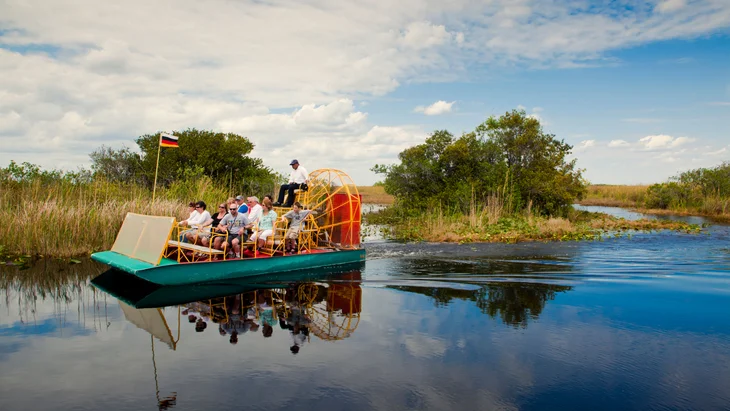
Preparing for a wildlife cruise is about more than just excitement—it’s about ensuring comfort, safety, and maximizing your chances of spotting incredible animals in their natural habitat. Whether you’re heading out for a few hours or a multi-day adventure, knowing what to bring on a wildlife cruise makes all the difference. From sun protection to the right gear for observation, this guide covers the must-haves for a smooth and memorable experience.
Before you zip up your bag, consider the region, season, and type of wildlife you hope to see. Researching your destination helps you pack smart, and following eco-friendly practices ensures you enjoy nature responsibly. For tips on minimizing your impact and respecting wildlife, check out how to enjoy wildlife viewing responsibly for essential eco-rules and best practices.
Essential Clothing for Comfort and Protection
Weather conditions on the water can change quickly. Dressing in layers is key, allowing you to adapt to sun, wind, or unexpected rain. Here’s what to consider packing:
- Lightweight, moisture-wicking shirts (long-sleeved for sun and bug protection)
- Comfortable pants or shorts, preferably quick-dry fabric
- Waterproof or windproof jacket
- Wide-brimmed hat or cap for sun protection
- Non-slip, closed-toe shoes (boat decks can be slippery)
- Swimsuit (if swimming or snorkeling is an option)
- Extra socks and a change of clothes in a dry bag
Layering ensures you stay comfortable as temperatures fluctuate, especially if your cruise starts early or extends into the evening.
Sun and Weather Protection Must-Haves
Spending hours on open water means exposure to sun, wind, and sometimes rain. Protecting yourself is crucial:
- High-SPF sunscreen (reef-safe formulas are best for the environment)
- Lip balm with SPF
- Polarized sunglasses to reduce glare and help spot wildlife
- Light scarf or buff for neck and face protection
- Compact rain poncho or waterproof shell
Polarized sunglasses are especially helpful for reducing water glare, making it easier to see dolphins, birds, or manatees. For a reliable pair, consider the options available through the button below.
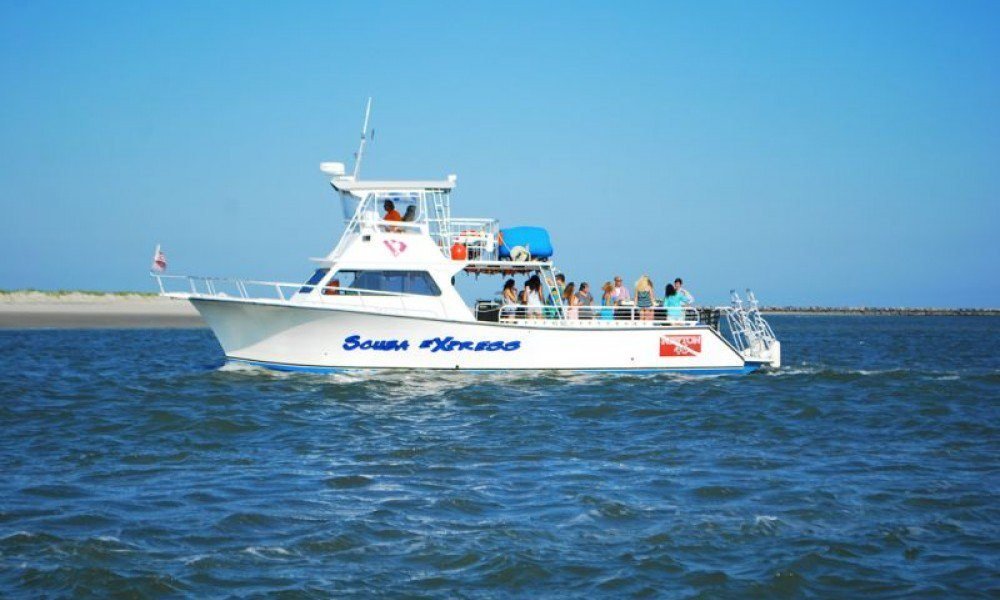
Wildlife Observation Tools and Accessories
Spotting animals in the wild is the highlight of any cruise. The right gear can make sightings more rewarding and comfortable:
- Binoculars with waterproof and fog-proof features
- Camera with zoom lens or smartphone with a good camera
- Notebook and pen for jotting down observations
- Field guide for local birds and marine life
- Reusable water bottle (hydration is important!)
- Small backpack or dry bag to keep gear organized and dry
High-quality binoculars are a game-changer for viewing distant wildlife. If you’re looking to upgrade, check out the recommended options above.
Personal Items and Health Essentials
Staying healthy and comfortable ensures you can focus on the adventure. Don’t forget these personal necessities:
- Seasickness medication or wristbands (even calm waters can be unpredictable)
- Hand sanitizer and wet wipes
- Snacks (energy bars, fruit, or trail mix)
- Personal medications (in original containers)
- Travel tissues or toilet paper
- Small first aid kit (bandages, antiseptic wipes, pain relievers)
Many cruises provide basic amenities, but having your own supplies is always wise, especially for longer trips or remote destinations.
Eco-Friendly and Responsible Packing Tips
Respecting the environment is a core part of wildlife cruising. Choose reusable items and minimize waste whenever possible:
- Bring a reusable water bottle and avoid single-use plastics
- Pack snacks in reusable containers
- Use reef-safe sunscreen to protect marine life
- Carry a small trash bag to pack out any waste
For more ideas on exploring nature with minimal impact, see discovering Florida’s hidden coastal gems for tips on low-impact travel and secret spots to explore.
Safety Equipment and Emergency Items
While most wildlife cruises are safe and well-organized, it’s smart to be prepared for the unexpected:
- Copy of your ID and travel insurance details
- Emergency contact information
- Whistle or signaling device
- Headlamp or small flashlight (with extra batteries)
- Fully charged phone in a waterproof pouch
Check with your tour operator to see what safety gear is provided on board. Some cruises supply life jackets and emergency kits, but it’s always good to have your own essentials handy.
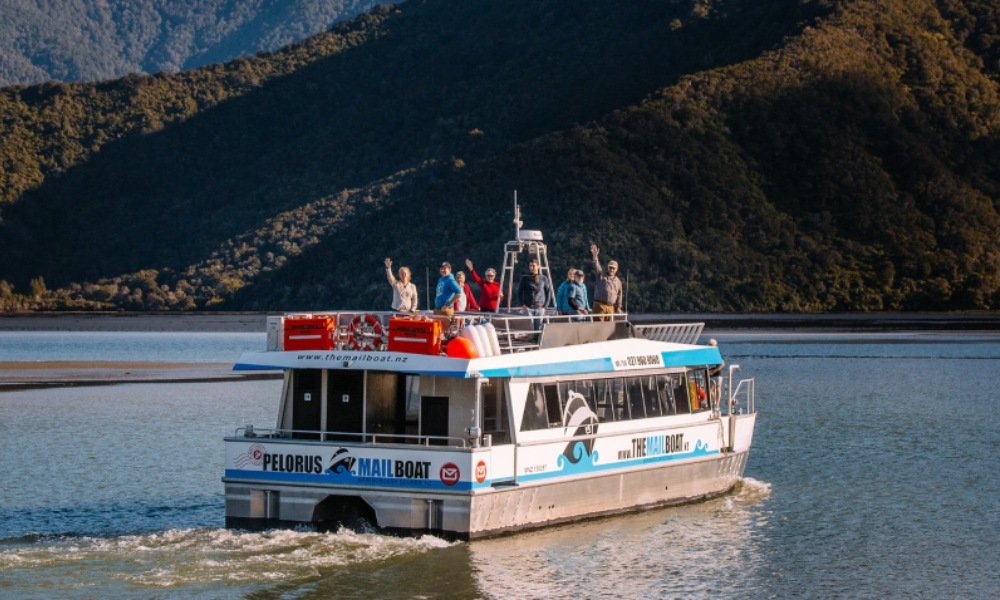
Quick-Reference Packing Checklist
| Category | Items to Pack |
|---|---|
| Clothing | Layered shirts, pants/shorts, jacket, hat, non-slip shoes, swimsuit, extra socks |
| Weather Protection | Sunscreen, lip balm, sunglasses, scarf, rain poncho |
| Observation Gear | Binoculars, camera, field guide, notebook, water bottle, dry bag |
| Personal Items | Seasickness remedies, hand sanitizer, snacks, medications, tissues, first aid kit |
| Eco-Friendly Supplies | Reusable containers, reef-safe sunscreen, trash bag |
| Safety | ID, insurance, emergency contacts, whistle, flashlight, waterproof phone pouch |
Additional Tips for a Smooth Wildlife Cruise Experience
- Arrive early to secure a good viewing spot on the boat
- Listen carefully to guides for safety and wildlife etiquette
- Keep noise to a minimum to avoid disturbing animals
- Use binoculars and cameras respectfully—avoid flash photography
- Stay hydrated and take breaks in the shade when possible
For more ideas on scenic adventures and boat rides, you might enjoy reading about scenic ocean and inlet adventures in Florida, which highlights beautiful routes and what to expect on the water.
Frequently Asked Questions
Do I Need Special Gear for a Wildlife Cruise?
While most cruises provide basic safety equipment, bringing your own binoculars, sun protection, and weather-appropriate clothing is highly recommended. A camera with a zoom lens is also helpful for capturing distant animals.
How Can I Avoid Seasickness?
Even if you don’t usually get motion sick, it’s wise to pack seasickness medication or acupressure wristbands. Eat a light meal before boarding, stay hydrated, and focus on the horizon if you start to feel queasy.
What Should I Avoid Bringing on Board?
Avoid single-use plastics, heavy luggage, and items that could disturb wildlife (such as drones or loud music devices). Always check with your tour operator for specific restrictions or recommendations.
Are There Safety Tips I Should Know?
Yes. Listen to your guide’s instructions, wear life jackets if provided, and know the location of emergency equipment. For more safety tips, see these boating safety tips for new water adventurers to ensure a secure and enjoyable outing.
With the right preparation and respect for nature, your wildlife cruise can be a highlight of your travels. A thoughtful packing list ensures you’re ready for every moment, from spotting rare birds to enjoying the fresh air and open water.