
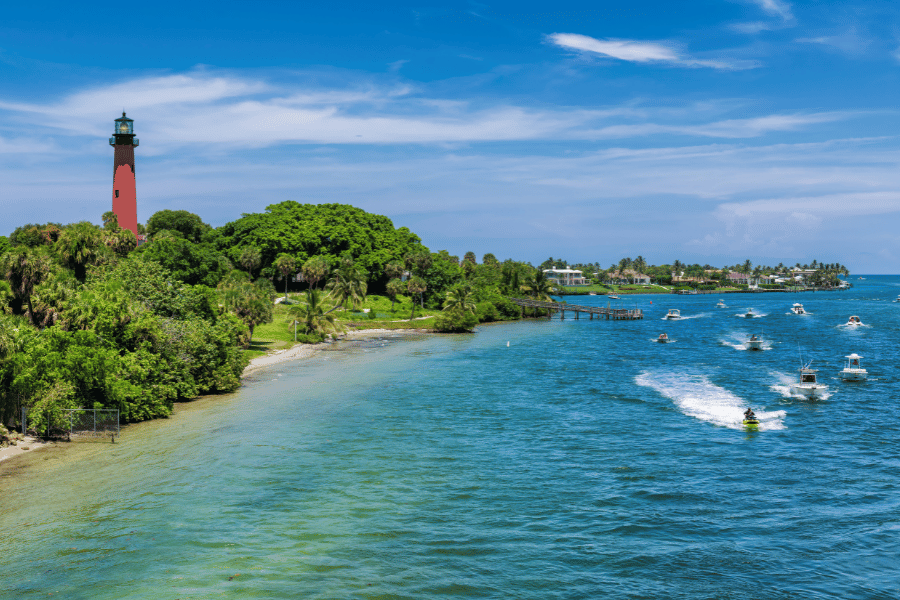
The Jupiter, Florida area is renowned for its rich biodiversity, especially when it comes to birdlife. With its unique blend of coastal habitats, wetlands, and protected green spaces, Jupiter offers a haven for both resident and migratory birds. Wildlife conservation Jupiter FL initiatives play a critical role in preserving these natural treasures, ensuring that future generations can enjoy the region’s vibrant ecosystems.
Whether you’re a local resident, a birdwatching enthusiast, or someone interested in environmental stewardship, understanding the importance of conservation efforts in this part of Florida can deepen your appreciation for the area’s natural beauty. In this article, we’ll explore the key habitats, notable bird species, and practical ways you can support ongoing preservation work.
For those who enjoy exploring the outdoors with their pets, you might also find value in reading Jupiter dog beach reviews for pet owners, which highlights another aspect of Jupiter’s commitment to accessible and responsible recreation.
Key Bird Habitats and Conservation Areas in Jupiter
The region’s diverse landscapes provide essential habitats for a wide range of bird species. From mangrove-lined estuaries to freshwater marshes, each ecosystem supports different avian communities. Some of the most important conservation sites include:
- Jupiter Inlet Lighthouse Outstanding Natural Area (ONA): This federally protected site offers critical nesting and feeding grounds for wading birds, raptors, and songbirds.
- Loxahatchee River and Wetlands: The river’s winding course and adjacent marshes are home to herons, egrets, and the occasional roseate spoonbill.
- Jonathan Dickinson State Park: Covering over 10,000 acres, this park features pine flatwoods, sandhills, and cypress swamps, attracting woodpeckers, hawks, and migratory warblers.
These protected areas are maintained through a combination of federal, state, and local initiatives, all aimed at preserving critical habitats and promoting sustainable recreation.
Notable Bird Species and Their Conservation Status
Jupiter’s conservation zones are home to an impressive variety of birds, many of which are of special interest to both scientists and birdwatchers. Some notable species you might encounter include:
- Ospreys: Often seen soaring above the Intracoastal Waterway, these raptors rely on healthy fish populations and undisturbed nesting sites.
- Wood Storks: Listed as federally threatened, wood storks depend on wetland habitats for breeding and feeding.
- Painted Buntings: These colorful songbirds are a seasonal highlight, especially in brushy areas and backyard feeders.
- Great Blue Herons and Egrets: Common in marshes and along waterways, these wading birds are indicators of wetland health.
- Swallow-tailed Kites: With their distinctive forked tails, these graceful flyers are a summer spectacle in the skies over Jupiter.
The presence of these and other species underscores the importance of ongoing wildlife conservation Jupiter FL efforts. Habitat loss, pollution, and climate change remain significant threats, making local action more important than ever.
How Local Conservation Efforts Make a Difference
Community-driven projects and partnerships are at the heart of successful preservation in Jupiter. Organizations work together to restore native vegetation, monitor bird populations, and educate the public about the value of biodiversity. Some of the most impactful strategies include:
- Habitat Restoration: Removing invasive species and replanting native flora helps create healthier environments for birds and other wildlife.
- Water Quality Monitoring: Clean waterways are essential for aquatic birds and the fish they depend on.
- Public Education: Guided walks, workshops, and signage help residents and visitors understand how their actions affect local ecosystems.
- Citizen Science: Volunteers contribute valuable data by participating in bird counts and habitat surveys.
These collective efforts not only benefit birds but also enhance the overall quality of life in Jupiter by preserving green spaces and supporting eco-tourism.

Birdwatching Tips for Jupiter’s Conservation Areas
Exploring Jupiter’s natural spaces offers excellent opportunities for observing birds in their native habitats. To make the most of your birdwatching experience, consider these practical tips:
- Visit Early or Late: Birds are most active at dawn and dusk, especially during migration seasons.
- Bring the Right Gear: A quality pair of binoculars and a Florida-specific field guide can greatly enhance your sightings.
- Stay on Marked Trails: Respecting boundaries helps protect sensitive nesting areas and minimizes disturbance.
- Practice Ethical Birding: Avoid using playback calls, keep a respectful distance, and never feed wild birds.
- Record Your Observations: Contributing sightings to citizen science platforms helps researchers track bird populations.
For more information on preserved sites in the region, the guide to North Palm Beach preserved sites offers a helpful overview of nearby conservation areas and what makes them special.

How You Can Support Bird Conservation Locally
Protecting Jupiter’s birdlife is a community effort. Here are some ways you can contribute to ongoing wildlife conservation Jupiter FL projects:
- Volunteer: Join local cleanups, habitat restoration days, or citizen science events.
- Support Conservation Groups: Donate to organizations working to protect native habitats and species.
- Practice Responsible Recreation: Follow posted guidelines in parks and preserves, and encourage others to do the same.
- Promote Native Landscaping: Planting native shrubs and trees in your yard provides food and shelter for birds.
- Educate Others: Share your knowledge with friends, family, and neighbors to grow community awareness.
By taking these steps, you help ensure that Jupiter remains a sanctuary for birds and a model for conservation in South Florida.
Frequently Asked Questions
What are the best times of year to see migratory birds in Jupiter?
Spring and fall are peak migration periods, with many species passing through or stopping to rest in local preserves. Winter also brings an influx of waterfowl and shorebirds escaping colder climates.
Are there guided birdwatching tours available in Jupiter?
Yes, several local organizations and parks offer guided walks and birding events, especially during migration seasons. Check with the Jupiter Inlet Lighthouse ONA or Jonathan Dickinson State Park for upcoming programs.
How can I make my backyard more bird-friendly in Jupiter?
Planting native species, providing fresh water, and avoiding pesticides are effective ways to attract and support local birds. Installing feeders and nest boxes can also help, especially during breeding season.