
As temperatures drop and coastal waters cool, a unique opportunity emerges for nature lovers: observing some of the world’s most fascinating marine creatures in their natural habitats. From gentle manatees gliding through warm springs to majestic whales migrating along the shoreline, winter wildlife experiences near the coast offer unforgettable moments for travelers and locals alike. Whether you’re planning a family outing, a solo adventure, or a group excursion, the colder months can be the best time to witness these animals up close while enjoying the serene beauty of the coast.
Many popular destinations in the United States and beyond see a surge in marine activity during winter. Manatees seek refuge in warmer waters, while whales undertake long migrations, making them more visible from boats and coastal lookouts. With the right planning and a bit of patience, you can enjoy remarkable sightings and deepen your appreciation for coastal ecosystems.
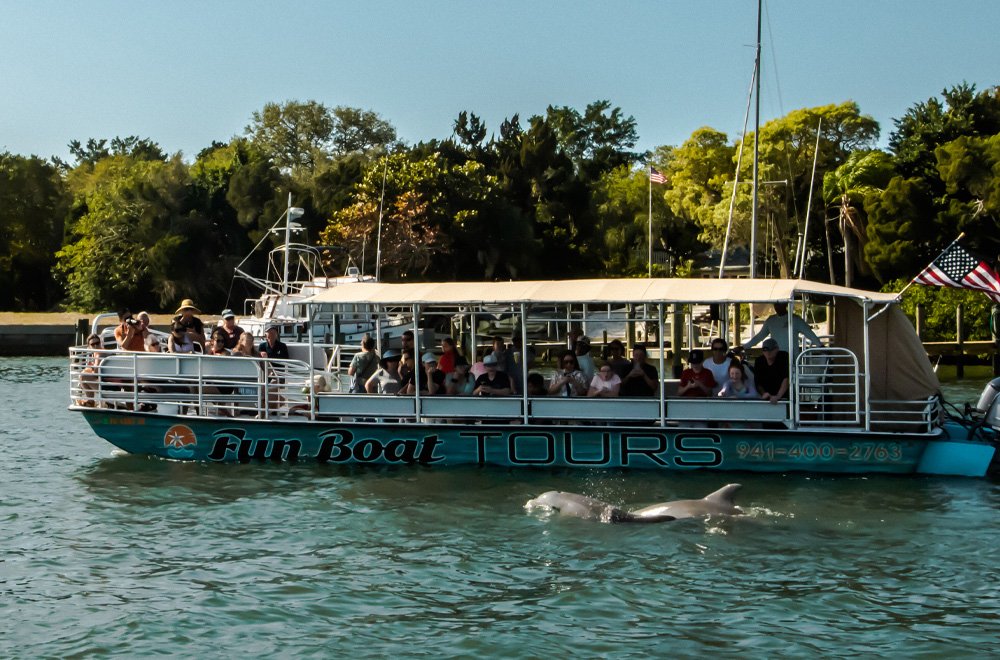
For those interested in combining wildlife viewing with family fun, consider exploring family boating adventures in Florida, where you can spot dolphins, manatees, and a variety of seabirds while cruising along scenic waterways.
Where to Find Coastal Manatees in Winter
One of the highlights of winter wildlife experiences near the coast is the chance to see manatees congregating in large numbers. These gentle herbivores, sometimes called “sea cows,” are drawn to warm-water refuges as ocean temperatures drop. In Florida, manatees flock to natural springs and power plant outflows, where the water remains a comfortable 72°F (22°C) year-round.
- Crystal River, Florida: Famous for its clear springs, Crystal River is one of the best places to see manatees in winter. Visitors can observe them from boardwalks, rent kayaks, or even join guided snorkeling tours for a closer look.
- Blue Spring State Park: Located near Orlando, this park is a designated manatee refuge. Hundreds of manatees gather here each winter, and the park offers viewing platforms and educational programs.
- Tampa Bay and Fort Myers: These areas also attract significant manatee populations, especially near warm-water discharges.
When planning your visit, remember that manatees are protected by law. Always observe from a respectful distance and avoid disturbing them in their natural habitat.

Whale Watching Hotspots Along the Coast
While manatees prefer the warmth of southern waters, whales embark on epic migrations along North America’s coasts during winter. These journeys bring them closer to shore, making this season ideal for whale watching. Some of the best places to observe whales in winter include:
- California’s Central Coast: From December through April, gray whales migrate between Alaska and Mexico, passing close to shore. Monterey Bay, Big Sur, and Santa Barbara are prime locations for spotting spouts and breaches.
- Pacific Northwest: Orcas, gray whales, and humpbacks can be seen off the coasts of Washington and Oregon, especially near the San Juan Islands and Depoe Bay.
- New England: While peak whale watching occurs in summer, some species, such as North Atlantic right whales, may be visible off the coast of Georgia and Florida during winter months.
For the best experience, join a guided boat tour with knowledgeable naturalists. Not only will you increase your chances of sightings, but you’ll also learn about whale behavior, migration patterns, and conservation efforts.
Planning Your Coastal Wildlife Adventure
To make the most of your winter wildlife experiences near the coast, a little preparation goes a long way. Here are some practical tips to help you plan a safe and enjoyable outing:
- Choose the Right Time: Early mornings and calm, sunny days often provide the best conditions for wildlife viewing. Check local wildlife calendars for peak migration or congregation periods.
- Bring the Essentials: Pack binoculars for distant sightings, polarized sunglasses to reduce glare, and layered clothing to stay warm on chilly boat rides or breezy shorelines.
- Book in Advance: Popular tours and parks can fill up quickly during peak wildlife seasons. Reserve your spot early, especially if you want a guided experience.
- Respect Wildlife: Always follow local guidelines for observing animals. Keep noise to a minimum, avoid feeding wildlife, and maintain a safe distance to prevent stress or disturbance.
- Capture Memories Responsibly: Take photos without flash and avoid blocking animals’ paths. Remember, the welfare of the wildlife comes first.
If you’re interested in organizing a group trip or want expert advice, check out this comprehensive guide to planning a wildlife cruise for practical tips and recommendations.
Other Marine Life to Watch for During Winter
While manatees and whales are the stars of coastal wildlife viewing in winter, they’re far from the only attractions. Keep an eye out for these additional species:
- Dolphins: Playful and curious, dolphins are often spotted in coastal bays and estuaries year-round. Winter can bring them closer to shore as they follow schools of fish.
- Sea Turtles: In some southern regions, sea turtles may be seen basking or foraging in shallow waters. Be mindful of nesting areas and posted signs.
- Seabirds: Winter is prime time for birdwatching along the coast. Look for pelicans, ospreys, herons, and migratory species resting or feeding near the water’s edge.
For those who want to learn more about the social lives of dolphins and other marine mammals, the article on understanding dolphin social structures offers fascinating insights into pod dynamics and communication.
Family-Friendly Activities and Responsible Tourism
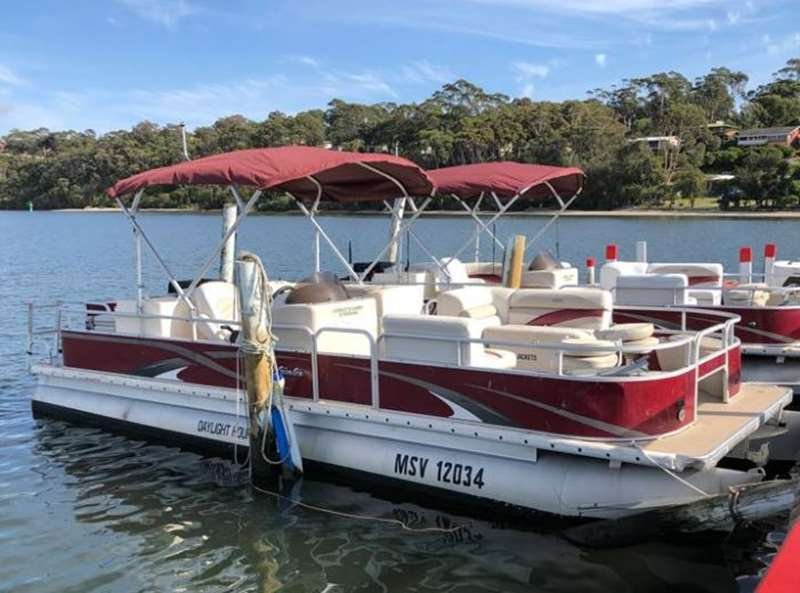
Coastal wildlife viewing is a wonderful way to connect with nature and inspire curiosity in all ages. Many destinations offer family friendly sightseeing cruises that combine education with fun, making them ideal for children and adults alike. Look for tours that prioritize animal welfare and provide knowledgeable guides who can answer questions and share interesting facts.
Responsible tourism is key to preserving these experiences for future generations. Support local conservation efforts, choose eco-certified operators, and follow all posted guidelines. By doing so, you help protect the habitats and species that make coastal regions so special.
FAQ: Coastal Wildlife Viewing in Winter
What is the best time of year to see manatees and whales near the coast?
Manatees are most visible from November through March, especially in Florida’s warm springs and coastal inlets. Whale sightings peak during winter migrations, with gray whales seen off California from December to April and right whales off the Southeast coast from December to March.
Do I need special equipment for winter wildlife viewing?
While not required, binoculars and polarized sunglasses can greatly enhance your experience by making it easier to spot animals and reduce glare from the water. Dress in layers and bring a camera with a zoom lens for photos. Consider waterproof gear if you’ll be on a boat or near the water’s edge.
Are there guided tours available for winter wildlife experiences?
Yes, many coastal destinations offer guided boat tours, kayak trips, and walking tours led by experienced naturalists. These tours increase your chances of sightings and provide valuable information about local wildlife and conservation efforts. Booking in advance is recommended during peak season.
How can I make my wildlife adventure more enjoyable and eco-friendly?
Follow local guidelines, respect wildlife by keeping a safe distance, and choose tour operators with strong conservation ethics. Support local organizations and consider participating in educational programs to deepen your understanding of coastal ecosystems.