
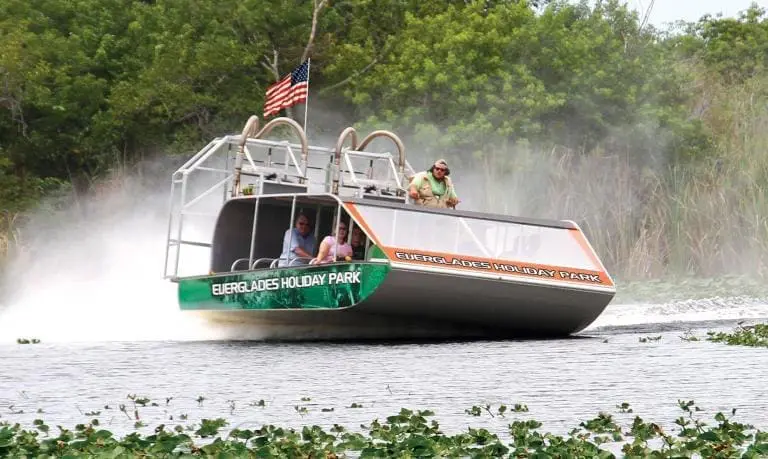
Eco cruises offer a unique way to explore nature while minimizing your environmental impact. For those new to these adventures, understanding what to expect can help you make the most of your journey. This beginner guide to eco cruises will walk you through the essentials, from the types of experiences available to what you should pack and how to choose a responsible operator. Whether you’re interested in wildlife, scenic landscapes, or learning about conservation, eco cruises provide a rewarding and sustainable travel option.
Before diving into the details, it’s helpful to know that eco cruises are designed for travelers who want to enjoy the beauty of nature without harming it. These tours often focus on education, wildlife observation, and supporting local ecosystems. If you’re looking to combine adventure with a positive environmental impact, this is an excellent choice.
If you’re interested in learning more about responsible nature travel, check out how to enjoy wildlife viewing responsibly for practical tips on minimizing your impact during wildlife encounters.
What Makes an Eco Cruise Different?
Unlike traditional cruises, eco cruises prioritize sustainability and environmental stewardship. Operators use smaller vessels, implement eco-friendly practices, and often partner with conservation organizations. The focus is on low-impact travel, education, and authentic experiences in natural settings. You’ll find that many tours limit group sizes to reduce disturbance to wildlife and fragile habitats.
Some cruises emphasize local culture and conservation efforts, giving you the chance to learn directly from guides and researchers. These journeys often include stops at protected areas, national parks, or marine reserves, where you can observe wildlife in its natural environment.
Types of Nature-Focused Cruises for Beginners
There are several types of eco cruises suitable for first-timers. Here are a few popular options:
- River and lake tours: These cruises explore freshwater environments, offering close-up views of birds, fish, and wetland habitats.
- Coastal and marine adventures: Perfect for spotting dolphins, manatees, sea turtles, and seabirds, these tours often visit estuaries and coral reefs.
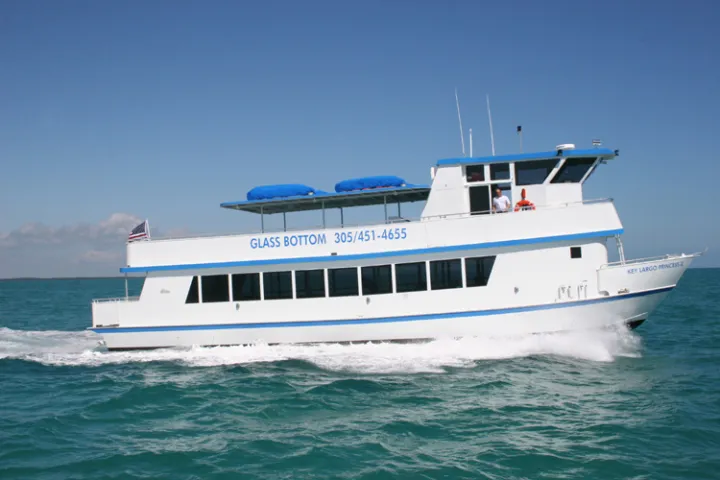
- Glass-bottom boat excursions: Ideal for those who want to see underwater life without getting wet, these trips provide a window into vibrant marine ecosystems.
- Small ship expeditions: These multi-day journeys travel to remote areas, focusing on education and immersive experiences in nature.
For those interested in scenic routes, scenic ocean and inlet adventures highlight some of the most beautiful waterways and coastal landscapes, perfect for beginners seeking a memorable introduction to eco cruising.
What to Expect on Your First Eco Cruise
As a newcomer, you can expect a relaxed pace, knowledgeable guides, and a strong emphasis on learning. Most tours begin with a safety briefing and an introduction to the local ecosystem. Guides will point out wildlife, explain conservation efforts, and answer questions throughout the trip.
Depending on the cruise, you might have opportunities for activities such as snorkeling, kayaking, or short nature walks. Many operators provide equipment and offer tips for observing wildlife without causing disturbance. It’s common for eco cruises to include educational talks or hands-on demonstrations about local flora and fauna.
Onboard, you’ll find that amenities are usually simple and focused on comfort rather than luxury. The goal is to immerse you in the natural surroundings, so expect plenty of time outdoors and opportunities for photography or quiet observation.
Packing Tips for Eco-Friendly Nature Tours
Preparing for an eco cruise is straightforward, but a few essentials can enhance your experience. Here are some packing tips for beginners:
- Lightweight, breathable clothing: Choose layers that protect against sun and wind.
- Sun protection: Bring a hat, reef-safe sunscreen, and polarized sunglasses for comfort and safety.
- Binoculars: Essential for spotting distant wildlife and birds.
- Reusable water bottle: Stay hydrated while reducing plastic waste.
- Waterproof bag: Protect your electronics and valuables from splashes.
- Camera or smartphone: Capture memories of your adventure.
For a detailed checklist, consider reading what to bring for every climate on a small ship adventure cruise to ensure you’re prepared for any weather or activity.
Choosing a Responsible Eco Cruise Operator
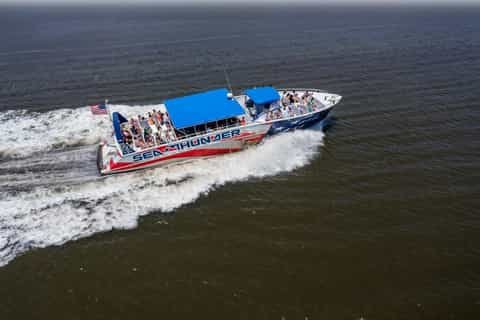
When selecting a tour, look for companies that are transparent about their sustainability practices. Responsible operators will:
- Limit group sizes to reduce environmental impact
- Use fuel-efficient or electric-powered vessels
- Support local conservation projects and communities
- Provide trained naturalist guides
- Follow strict wildlife viewing guidelines
Reading reviews and asking questions about the operator’s environmental policies can help you make an informed decision. If you’re interested in exploring lesser-known destinations, discovering Florida’s hidden coastal gems can offer insight into sustainable travel options in unique locations.
Wildlife Viewing and Conservation on Eco Cruises
One of the main attractions of these tours is the chance to observe wildlife in their natural habitats. Respectful viewing is essential for both your safety and the well-being of the animals. Guides will instruct you on how to maintain a safe distance, avoid sudden movements, and minimize noise.
Many eco cruises contribute to conservation efforts by supporting research, funding habitat restoration, or participating in citizen science projects. As a participant, you may have the opportunity to learn about ongoing initiatives and even contribute data or observations during your trip.
For more on ethical wildlife experiences, see our article on how to enjoy wildlife viewing responsibly for tips on making your encounters safe and sustainable.
Benefits of Eco Cruises for Beginners
There are several advantages to choosing a nature-focused cruise, especially for those new to this type of travel:
- Educational experiences: Learn from expert guides and gain a deeper understanding of local ecosystems.
- Small group settings: Enjoy a more personal and less crowded adventure.
- Positive environmental impact: Support conservation efforts and responsible tourism.
- Unique wildlife encounters: Observe animals in their natural habitats, often in protected areas.
- Accessible for all ages: Many tours are suitable for families, seniors, and solo travelers alike.
For those seeking even more immersive learning, explore best outdoor learning experiences in Florida to discover additional ways to connect with nature.
Frequently Asked Questions
Are eco cruises suitable for children and families?
Yes, many eco cruises are designed to be family-friendly. Operators often provide educational activities and guides who are experienced in working with children. It’s a great way for families to learn about nature together in a safe and supportive environment.
What kind of wildlife can I expect to see?
The animals you encounter will depend on the region and type of cruise. Common sightings include dolphins, manatees, sea turtles, various bird species, and sometimes even alligators or otters in freshwater environments. Guides will help you spot and identify wildlife during the tour.
How can I make my eco cruise experience more sustainable?
Choose operators with strong environmental credentials, follow all guidelines provided by your guides, and minimize your own impact by using reusable items and respecting wildlife. Supporting local conservation initiatives and sharing your experiences with others can also help promote sustainable travel.
Final Thoughts on Nature-Focused Cruises
Embarking on an eco cruise is a rewarding way to experience the outdoors while supporting conservation and responsible tourism. With the right preparation and a mindful approach, beginners can enjoy unforgettable encounters with nature and contribute to the protection of our planet’s most precious ecosystems. Whether you’re seeking adventure, education, or relaxation, these tours offer a meaningful and memorable travel experience.