
Exploring the underwater world and observing animals in their native environments is a rewarding experience for nature lovers and adventure seekers. Discovering marine life in natural habitats offers not only breathtaking sights but also a deeper appreciation for the delicate balance of our oceans and waterways. Eco-tours designed for responsible wildlife viewing are becoming increasingly popular, allowing travelers to witness dolphins, manatees, sea turtles, and countless other species while minimizing their impact on these fragile ecosystems.
Whether you’re planning a family trip, a solo adventure, or a group outing, choosing the right eco-tour can make all the difference. This article will walk you through the top destinations, essential tips, and what to expect when seeking out the most memorable aquatic wildlife encounters. For those interested in expanding their Florida adventures, consider reading about family boating adventures in Florida for more inspiration on water-based activities.
Why Choose Eco-Tours for Observing Aquatic Wildlife?
Eco-tours are specifically designed to provide educational and immersive experiences while protecting the environments you visit. These tours are often led by knowledgeable guides who share insights about local species, conservation efforts, and the importance of preserving natural habitats. By choosing an eco-friendly tour, you help support sustainable tourism and contribute to the protection of marine ecosystems for future generations.
- Low-impact travel: Eco-tours use responsible boating and viewing practices to avoid disturbing wildlife.
- Expert guidance: Guides help you spot and identify animals, making the experience more informative and engaging.
- Support for conservation: Many operators donate a portion of proceeds to marine protection initiatives.
Top Destinations for Marine Life Encounters
There are countless places around the world where you can experience the thrill of discovering marine life in natural habitats. Here are some of the most popular and accessible locations:
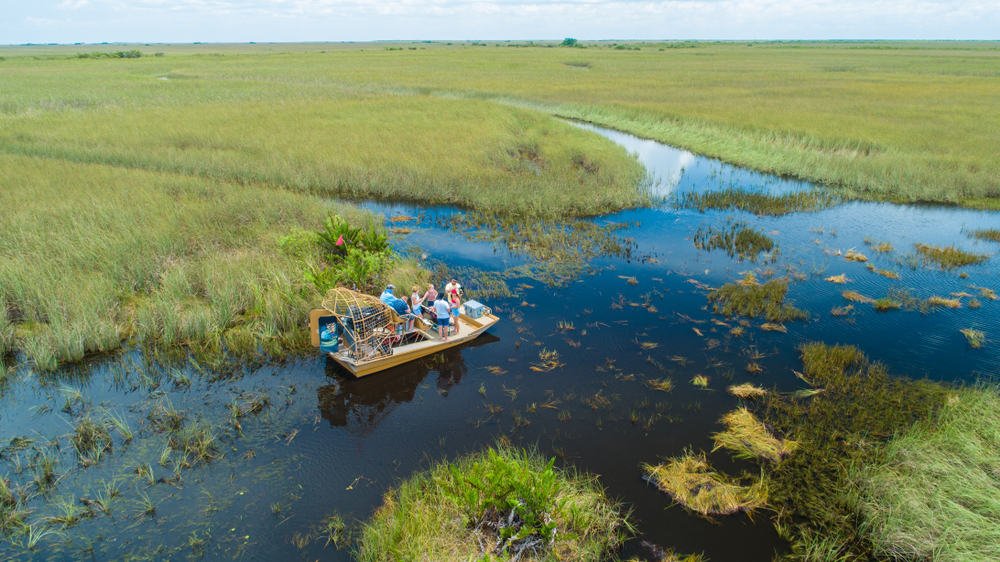
- Florida Everglades: Famous for its airboat tours, the Everglades are home to alligators, manatees, and a wide variety of bird species.
- Hawaii: Snorkeling and boat tours offer opportunities to see sea turtles, dolphins, and colorful reef fish.
- California Coast: Whale watching tours provide a chance to observe migrating gray whales, sea lions, and harbor seals.
- Great Barrier Reef, Australia: One of the world’s most biodiverse marine environments, ideal for snorkeling and diving with vibrant coral and tropical fish.
- Galápagos Islands, Ecuador: Renowned for unique species like marine iguanas, penguins, and sea lions.
For those interested in sustainable travel options, check out nature based tourism activities for more ideas on eco-friendly adventures.
Essential Tips for Responsible Wildlife Viewing
To make the most of your marine adventure while ensuring the safety of both yourself and the animals, follow these best practices:
- Keep a respectful distance: Use binoculars or zoom lenses to observe animals without getting too close.
- Stay quiet and calm: Sudden movements or loud noises can startle wildlife and disrupt their natural behaviors.
- Follow guide instructions: Listen carefully to your tour leader, as they are trained to ensure both your safety and the well-being of the animals.
- Do not feed or touch animals: Human food and contact can harm marine creatures and alter their natural habits.
- Leave no trace: Dispose of trash properly and avoid picking up shells or disturbing habitats.
For a comprehensive checklist of what to bring on your next wildlife trip, see this guide to wildlife trip essentials.
What to Bring on Your Marine Eco-Tour
Packing the right gear can enhance your experience and help you stay comfortable throughout your journey. Here are some recommended items:
- Polarized sunglasses: Reduce glare on the water and improve your ability to spot animals below the surface.
- Binoculars: Essential for spotting distant birds, dolphins, or whales.
- Waterproof camera or phone case: Capture memorable moments without worrying about splashes.
- Reef-safe sunscreen: Protect your skin and prevent harmful chemicals from entering the water.
- Lightweight, quick-dry clothing: Stay comfortable in changing weather conditions.
- Reusable water bottle: Stay hydrated and reduce plastic waste.
For more ideas on planning your adventure, visit our resource on marine wildlife adventure planning.
How to Select the Right Eco-Tour Operator
Choosing a reputable tour company is crucial for a safe and ethical experience. Here’s what to look for:
- Certifications and permits: Operators should have the necessary licenses and adhere to local wildlife protection regulations.
- Small group sizes: Smaller tours reduce environmental impact and offer a more personalized experience.
- Knowledgeable guides: Look for companies that employ guides with backgrounds in marine biology or ecology.
- Positive reviews: Read feedback from previous guests to gauge the quality of the experience and commitment to sustainability.
- Transparent practices: Responsible operators are open about their conservation efforts and safety protocols.
For families seeking a relaxing day on the water, family friendly sightseeing cruises are an excellent option that combines comfort with wildlife viewing opportunities.
Best Times of Year for Marine Wildlife Viewing
The timing of your trip can greatly influence what species you’re likely to encounter. Here are some general guidelines:
- Winter: Manatees gather in warm springs in Florida, while whale migrations peak along the Pacific coast.
- Spring: Sea turtle nesting season begins in many tropical regions.
- Summer: Coral reefs are vibrant, and many fish species are active and visible.
- Fall: Bird migrations bring unique species to coastal wetlands and estuaries.
For those interested in the most exciting animal encounters, refer to our guide on the best wildlife encounters in South Florida for seasonal highlights and tips.
Frequently Asked Questions
What is the difference between an eco-tour and a regular boat tour?
Eco-tours focus on responsible wildlife viewing and environmental education, often led by guides with expertise in local ecosystems. Regular boat tours may prioritize sightseeing or recreation without the same emphasis on conservation or minimizing impact on marine habitats.
Can children participate in marine eco-tours?
Yes, many eco-tours are family-friendly and suitable for children. It’s important to check age recommendations and safety requirements with the tour operator before booking. Some tours offer educational activities designed specifically for younger participants.
How can I help protect marine life during my tour?
Follow all guidelines provided by your tour guide, avoid touching or feeding animals, use reef-safe sunscreen, and dispose of waste properly. Supporting operators who invest in conservation and choosing sustainable travel options also contribute to the protection of marine environments.
Conclusion
Experiencing the wonders of the ocean through discovering marine life in natural habitats is both inspiring and educational. By choosing responsible eco-tours, preparing with the right gear, and following ethical wildlife viewing practices, you can enjoy unforgettable encounters while helping to preserve these environments for generations to come. Whether you’re exploring the Everglades, snorkeling in Hawaii, or joining a dolphin cruise in Florida, every journey into the wild is an opportunity to learn, connect, and make a positive impact.