
Getting students out of the classroom and onto the water can transform the way they learn about marine life. Educational boat rides for students offer a hands-on approach to marine biology, combining adventure with real-world science. These tours are designed to engage young minds, spark curiosity, and foster a deeper appreciation for aquatic ecosystems. Whether you’re an educator planning a field trip or a parent looking for unique learning experiences, marine-focused boat excursions provide an unforgettable way to explore the natural world.
Not only do these outings introduce students to local wildlife and habitats, but they also encourage responsible environmental stewardship. Many tours are led by experienced guides who share insights into the delicate balance of marine environments and the importance of conservation. For those seeking even more ideas for nature-based learning, check out nature based excursions in Palm Beach County for additional inspiration.

Why Choose Marine Biology Tours for Student Learning?
Field-based learning is proven to boost retention and engagement. When students step aboard a boat, they’re immersed in an environment teeming with life, from playful dolphins to intricate mangrove systems. These experiences go far beyond textbooks, allowing students to observe, ask questions, and participate in scientific discovery.
Educational boat rides for students typically include:
- Interactive lessons on local marine species and habitats
- Opportunities to use scientific tools like binoculars and water testing kits
- Guided discussions about conservation and ecosystem health
- Hands-on activities such as plankton sampling or shoreline exploration
By making science tangible and relevant, these tours inspire a lifelong interest in biology and environmental science.
What to Expect on a Student Boat Excursion
Each tour is unique, but most follow a structured itinerary designed to maximize learning and fun. Here’s what students and educators can typically expect:
- Safety Briefing: Before departure, guides review safety protocols and distribute life jackets.
- Introduction to Local Ecosystems: Guides explain the key features of the area, such as estuaries, reefs, or wetlands.
- Wildlife Spotting: Students use binoculars to observe birds, fish, and marine mammals in their natural habitats.
- Interactive Demonstrations: Activities may include water sampling, identifying species, or learning about food webs.
- Q&A Sessions: Students are encouraged to ask questions and share observations throughout the trip.
Many providers also offer customizable programs to align with specific curriculum goals or grade levels. For additional resources on ocean science experiences, explore educational marine tourism opportunities that blend fun with learning.
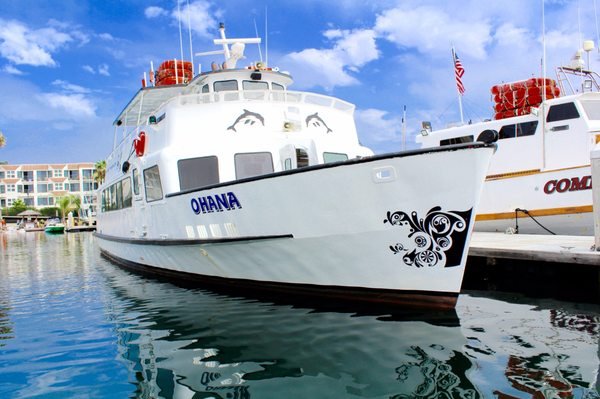
Key Benefits of Educational Boat Rides for Students
Participating in these aquatic adventures offers a range of educational and personal growth benefits. Here are some of the most impactful outcomes:
- Active Engagement: Students learn by doing, which leads to better understanding and retention of scientific concepts.
- Real-World Application: Lessons are tied to actual environments, making abstract ideas concrete and memorable.
- Teamwork and Communication: Working together to observe, record, and discuss findings builds collaboration skills.
- Environmental Awareness: Firsthand exposure to marine habitats fosters respect and responsibility for natural resources.
- Inspiration for Future Careers: Meeting marine biologists and conservationists can spark interest in STEM fields.
For families interested in extending these experiences beyond the classroom, consider exploring family nature exploration ideas that encourage outdoor discovery and learning.
How to Prepare for a Student Marine Biology Tour
Preparation is key to making the most of any field-based learning experience. Here are some practical tips for educators and parents:
- Dress Appropriately: Lightweight, moisture-wicking clothing and sturdy shoes are recommended. Don’t forget hats and sunscreen.
- Bring the Essentials: Encourage students to pack water bottles, snacks, and journals for note-taking.
- Optics and Sun Protection: Quality binoculars and sunglasses enhance wildlife viewing and comfort. For gear recommendations, see the yellow buttons above.
- Review Safety Guidelines: Go over boat safety rules and expectations before the trip.
- Prepare Questions: Have students brainstorm questions or topics they’re curious about to maximize engagement with guides.
For a comprehensive checklist, refer to this complete guide to packing essentials for wildlife tours to ensure everyone is prepared and comfortable.
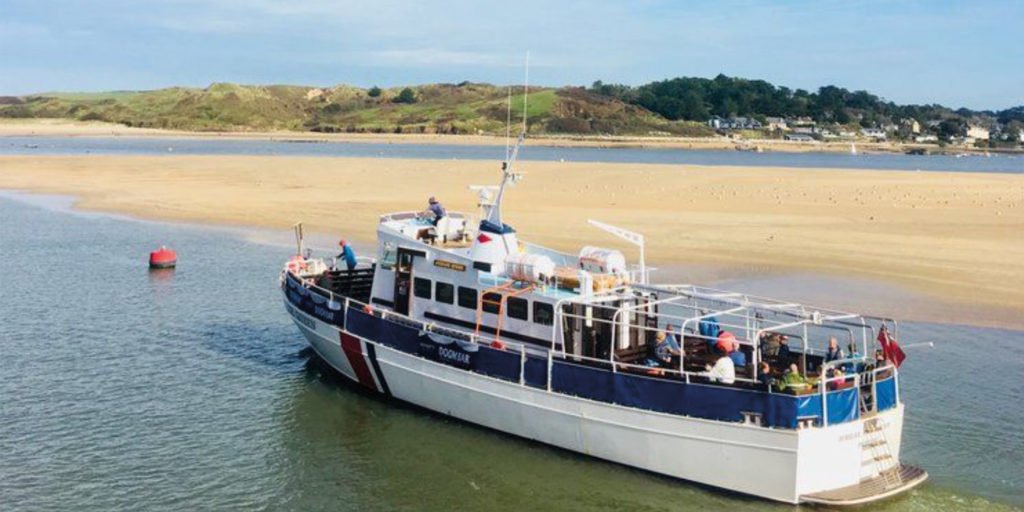
Responsible Wildlife Viewing and Conservation Lessons
One of the most important aspects of student boat excursions is teaching respect for wildlife and their habitats. Guides emphasize the importance of observing animals from a distance, minimizing noise, and leaving no trace. These lessons in responsible tourism are reinforced throughout the trip, helping students understand their role in protecting marine environments.
If you’re interested in learning more about sustainable practices, the article on how to enjoy wildlife viewing responsibly provides practical advice for eco-friendly adventures.
Frequently Asked Questions
What age groups are best suited for marine biology boat tours?
Most providers offer programs tailored to a variety of age groups, from elementary school through high school. Activities and discussions are adapted to be age-appropriate, ensuring every student can participate and learn at their own level.
How long do educational boat rides for students typically last?
Trips usually range from 1.5 to 3 hours, depending on the provider and the focus of the tour. Some programs offer half-day or full-day excursions for more in-depth exploration.
Are these tours accessible for students with special needs?
Many operators strive to accommodate students with different abilities. It’s important to communicate any specific requirements in advance so that the tour can be adjusted to ensure a safe and inclusive experience for all participants.
What safety measures are in place during these trips?
Safety is a top priority. All students are required to wear life jackets, and guides are trained in first aid and emergency procedures. Boats are inspected regularly, and safety briefings are conducted before every departure.
Conclusion
Marine biology boat tours provide a dynamic and memorable way for students to connect with science and nature. By stepping outside the classroom, young learners gain practical skills, environmental awareness, and a sense of wonder that can last a lifetime. For those looking to expand their adventure, there are plenty of vacation activities for animal lovers that offer even more opportunities for discovery. With the right preparation and a spirit of curiosity, educational boat rides can be the highlight of any school year or family outing.