
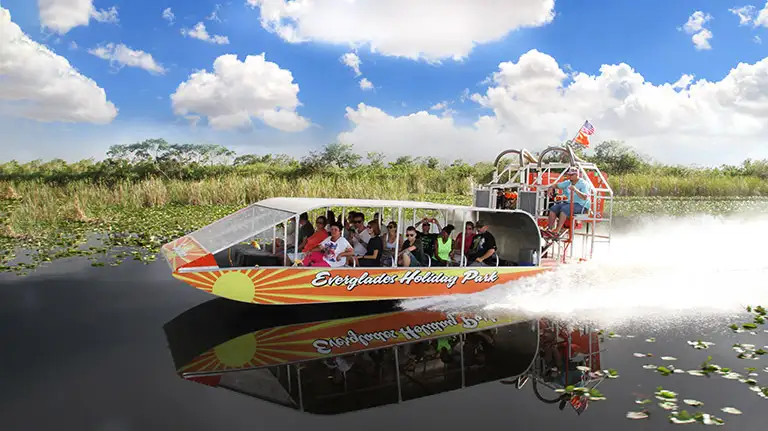
Exploring the ocean is no longer limited to scientists and professional divers. Today, educational marine tourism opportunities are making marine science accessible and enjoyable for everyone. These immersive experiences combine adventure with learning, offering families, students, and curious travelers a chance to discover the wonders of the sea firsthand. Whether you’re interested in observing marine wildlife, learning about coastal ecosystems, or participating in hands-on science activities, there’s a tour or program designed to spark your curiosity and deepen your understanding of the ocean’s vital role in our world.
From guided boat excursions to interactive beach walks, these experiences are designed to be both fun and informative. Participants can expect to encounter dolphins, sea turtles, coral reefs, and a variety of fascinating marine plants and animals, all while guided by knowledgeable experts. These tours not only foster a love for the ocean but also promote responsible stewardship and conservation efforts.
For those seeking to maximize their experience, it’s important to consider how to approach wildlife and natural habitats with care. Practicing how to enjoy wildlife viewing responsibly ensures that both visitors and marine life remain safe and undisturbed. Responsible tourism not only enhances your own adventure but also helps preserve these environments for future generations.
Why Choose Ocean Science Tours for Learning and Fun?
Marine-focused excursions offer a unique blend of recreation and education. Unlike traditional sightseeing, these tours are structured to provide in-depth knowledge about oceanography, marine biology, and environmental science. Guides often include marine biologists, naturalists, or educators who share insights about the local ecosystem, animal behavior, and conservation challenges.
- Hands-on learning: Many tours include opportunities to examine specimens, use scientific equipment, or participate in citizen science projects.
- Wildlife encounters: Dolphins, manatees, seabirds, and even whales can often be observed in their natural habitats.
- Conservation awareness: Participants learn about the importance of protecting marine environments and how their actions can make a difference.
- Family-friendly: Activities are often tailored for all ages, making them ideal for school groups, families, or solo travelers.
Types of Educational Marine Tourism Experiences
There are many ways to engage with the ocean through learning-focused travel. Here are some of the most popular options:
Guided Boat Tours and Wildlife Cruises
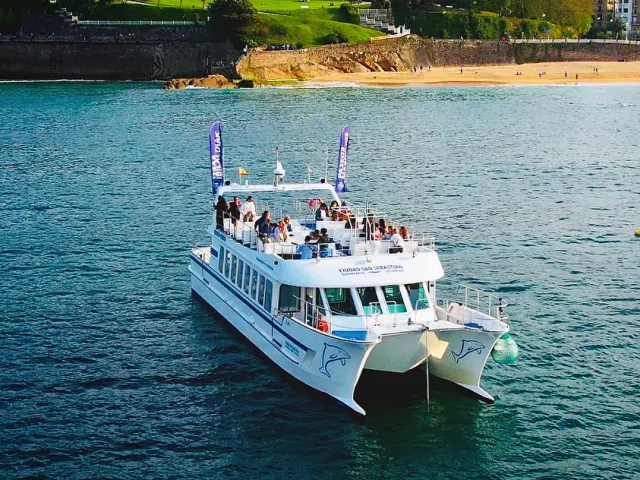
These excursions take visitors out on the water to observe marine animals in their natural settings. Guides provide commentary on animal identification, behavior, and the ecological significance of the area. Some tours use hydrophones to listen to underwater sounds or offer binoculars for better viewing. For those interested in maximizing their wildlife spotting, consider reading about marine wildlife observation techniques used by experts.
Beach Walks and Intertidal Exploration
Guided walks along the shore or through tidal pools introduce participants to coastal plants, shells, crabs, and other marine life. These outings often include lessons on tides, beach ecology, and the impact of human activity on fragile coastal environments. For those interested in discovering more unique spots, exploring Florida’s hidden coastal gems can reveal lesser-known but equally fascinating habitats.
Snorkeling and Reef Tours
Snorkeling excursions offer a close-up look at coral reefs, seagrass beds, and the colorful fish that inhabit them. Many operators provide educational briefings before entering the water, explaining reef ecology, species identification, and responsible snorkeling practices. These tours are ideal for both beginners and experienced snorkelers who want to learn more about marine biodiversity.
Citizen Science and Research Programs
Some organizations invite the public to participate in real scientific research. Activities may include monitoring water quality, collecting data on sea turtle nesting, or helping with beach cleanups. These programs give travelers a sense of purpose and a deeper connection to the places they visit.
Planning Your Marine Science Adventure
To get the most out of your journey, a little preparation goes a long way. Here are some tips for a successful and enjoyable experience:
- Research your options: Look for tours or programs that are led by qualified guides and prioritize sustainability.
- Pack appropriately: Bring sun protection, water-resistant clothing, and any recommended gear. For advice on preparing for outdoor wildlife adventures, check out this guide to packing for a wildlife photography expedition.
- Respect wildlife: Always follow your guide’s instructions and maintain a safe distance from animals. Avoid touching or disturbing marine life.
- Be a responsible traveler: Choose operators that follow ethical practices, minimize waste, and support conservation efforts.
Benefits of Participating in Marine Learning Experiences
Engaging in these activities offers more than just a day of fun. Here are some of the lasting benefits:
- Increased environmental awareness: Firsthand experiences foster a deeper appreciation for the ocean and its inhabitants.
- Skill development: Participants gain observation, identification, and scientific inquiry skills that can be applied to other areas of life.
- Memorable family bonding: Shared adventures create lasting memories and inspire a sense of wonder in children and adults alike.
- Support for local communities: Many tours are run by local organizations, helping to sustain coastal economies and fund conservation projects.
For those looking to expand their learning beyond a single tour, exploring the best outdoor learning experiences in Florida can provide a variety of options, from marine science camps to nature center programs.
How to Find the Right Educational Marine Experience
With so many choices available, selecting the right program can feel overwhelming. Here’s how to narrow down your options:
- Define your interests: Are you most excited about wildlife watching, snorkeling, or hands-on science?
- Check credentials: Look for operators with experienced guides and positive reviews from past participants.
- Consider group size: Smaller groups often provide more personalized attention and a better learning environment.
- Look for eco-certifications: Programs with recognized sustainability certifications are more likely to follow best practices.
For travelers who want to see marine animals in their natural environments, reading up on discovering marine life in natural habitats can help you choose tours that prioritize authentic, respectful encounters.
FAQ: Educational Marine Tourism and Ocean Science Tours
What should I bring on a marine science tour?
It’s best to pack sun protection (hat, sunscreen, sunglasses), water-resistant clothing, reusable water bottles, and any recommended gear such as binoculars or snorkeling equipment. Always check with your tour operator for specific requirements.
Are these tours suitable for children?
Most marine learning experiences are designed for all ages, with activities tailored to different age groups. Always confirm age recommendations with the provider before booking.
How can I ensure my tour is environmentally responsible?
Choose operators that follow ethical wildlife viewing guidelines, minimize waste, and support conservation. Look for eco-certifications or ask about their sustainability practices. For more tips, review resources on responsible wildlife viewing.