
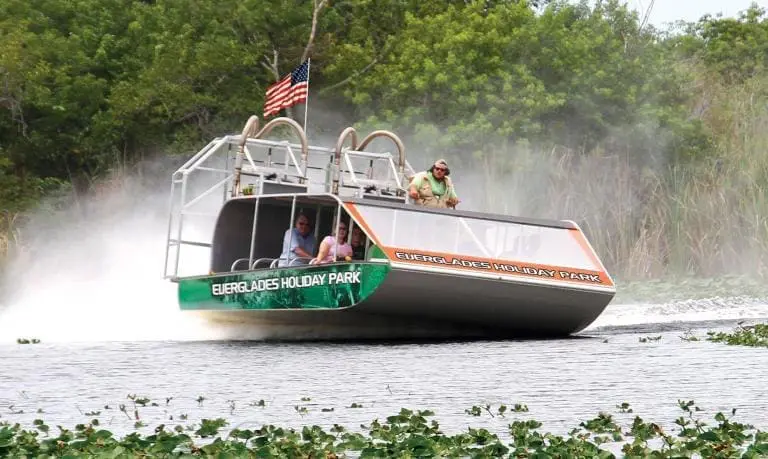
Boating offers a unique way to connect with nature, but it also comes with a responsibility to protect our oceans and waterways. Adopting environmentally responsible boating practices helps preserve marine ecosystems, supports local wildlife, and ensures that future generations can enjoy the water as much as we do today. This guide covers practical steps for boaters to minimize their impact, from fuel management to wildlife protection and waste reduction.
Whether you’re a seasoned sailor or planning your first trip, making sustainable choices on the water is easier than you might think. By understanding the impact of boating activities and choosing eco-friendly alternatives, you can play a vital role in keeping our oceans clean and healthy. If you’re interested in combining fun with learning, you might also enjoy exploring the best outdoor learning experiences in Florida for more ideas on connecting with nature responsibly.
Why Sustainable Boating Matters
Our oceans face increasing threats from pollution, overfishing, and habitat loss. Boating, while enjoyable, can contribute to these challenges if not managed carefully. Oil spills, litter, anchor damage, and noise pollution all have lasting effects on marine life and water quality. Practicing eco-friendly boating helps reduce these negative impacts and supports the health of coastal environments.
Many destinations now encourage or require sustainable boating measures. By following these guidelines, you not only help the environment but also set a positive example for others on the water.
Fuel and Engine Maintenance for Cleaner Waterways
One of the most significant ways boaters can reduce their environmental footprint is by managing fuel use and maintaining engines properly. Leaks and spills can introduce harmful substances into the water, affecting both wildlife and water quality.
- Inspect your engine regularly for leaks and keep it well-tuned to minimize emissions.
- Use oil-absorbent pads in the bilge to catch drips and spills.
- Refuel carefully, avoiding overflows and using a fuel collar or absorbent cloth around the nozzle.
- Consider upgrading to a four-stroke or electric motor, which produces fewer emissions than older two-stroke engines.
These simple actions can make a significant difference in keeping waterways clean and healthy for all.
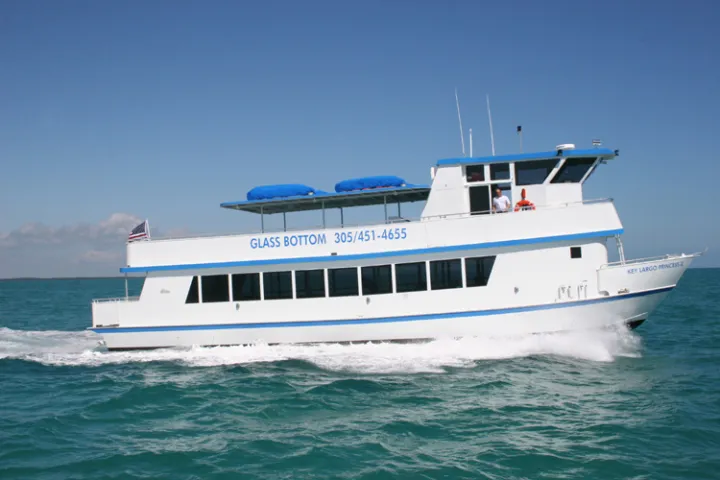
Reducing Waste and Preventing Marine Litter
Trash and plastics are among the most visible threats to marine environments. Every year, tons of waste enter the ocean, much of it from recreational activities. Boaters can help by adopting simple waste management habits:
- Bring reusable containers, bottles, and bags to cut down on single-use plastics.
- Secure all loose items on deck to prevent them from blowing overboard.
- Dispose of trash and recyclables at designated facilities on shore.
- Never throw fishing lines, bait containers, or food scraps into the water.
Some boaters even participate in “pack it in, pack it out” programs, removing not only their own waste but also any litter they find while boating. This proactive approach helps keep waterways clean for everyone.
Protecting Wildlife and Sensitive Habitats
Boats can disturb wildlife and damage fragile habitats if not operated carefully. Seagrass beds, coral reefs, and nesting areas are particularly vulnerable. Practicing responsible boating means being mindful of your surroundings and minimizing your impact on local ecosystems.
- Observe wildlife from a distance and avoid chasing or feeding animals.
- Use marked channels and avoid shallow areas where seagrass or coral may be present.
- Anchor only in designated areas or use mooring buoys to prevent anchor damage.
- Follow speed limits and no-wake zones to reduce erosion and protect aquatic life.
For families interested in combining boating with education, check out these ideas for educational family trips in Florida that foster respect for nature and wildlife.
Eco-Friendly Products and Gear for Boaters
Choosing the right equipment can further reduce your environmental impact. Many manufacturers now offer products designed with sustainability in mind:
- Biodegradable cleaning supplies that won’t harm marine life.
- Solar-powered gadgets and navigation lights to cut down on battery waste.
- Eco-friendly sunscreens that are free from chemicals harmful to coral reefs.
- Reusable water bottles, utensils, and food containers for onboard meals.
For those planning longer trips, it’s helpful to review what to bring for every climate on a small ship adventure to ensure you’re prepared with sustainable gear for all conditions.
Supporting Conservation Through Responsible Recreation
Participating in environmentally responsible boating practices goes beyond personal actions. Supporting local conservation efforts, volunteering for clean-up events, and educating others about sustainable boating all contribute to healthier oceans. Many communities offer opportunities for boaters to get involved in habitat restoration, wildlife monitoring, and public awareness campaigns.
When planning your next outing, consider incorporating nature based tourism activities that promote sustainability and give back to the environment. These experiences can deepen your appreciation for the natural world and inspire others to follow your example.
Planning Ahead for a Greener Boating Experience
Preparation is key to minimizing your environmental impact. Before heading out, research local regulations, weather conditions, and sensitive habitats in your area. Pack only what you need, and double-check that all gear is secure and eco-friendly. If you’re boating with family or friends, take the opportunity to discuss sustainable practices and set expectations for the trip.
For more ideas on planning fun and sustainable outings, explore these family boating adventures in Florida that combine recreation with environmental stewardship.
Frequently Asked Questions
What are the most important environmentally responsible boating practices?
The most critical actions include proper fuel management, reducing waste, protecting wildlife, and using eco-friendly products. Regular engine maintenance, careful refueling, and packing out all trash are essential steps for every boater.
How can I avoid damaging sensitive habitats while boating?
Use marked channels, avoid shallow areas with seagrass or coral, and anchor only in designated spots or on mooring buoys. Always observe wildlife from a distance and respect no-wake zones to protect both habitats and animals.
Are there eco-friendly alternatives to traditional boating gear?
Yes. Many companies offer biodegradable cleaning products, solar-powered devices, and reef-safe sunscreens. Reusable containers and water bottles also help reduce waste on board.
Where can I learn more about sustainable boating and ocean conservation?
Many organizations and local authorities provide resources on sustainable boating. Participating in community clean-ups and educational tours, such as those highlighted in top eco adventures near the coast, is a great way to get involved and stay informed.