
Photographing marine animals in their natural habitat is both thrilling and challenging. Whether you’re a beginner with a smartphone or an experienced photographer with a DSLR, learning the right ocean wildlife photography tips can help you capture the beauty and diversity of life beneath and above the waves. This guide covers practical advice for planning, equipment, technique, and safety to help you get the most out of your next ocean adventure.
Before diving into the details, consider expanding your outdoor knowledge with resources like best outdoor learning experiences in Florida, which can inspire new locations and approaches for your marine photography outings.

Essential Gear for Photographing Marine Creatures
Having the right equipment is crucial for successful wildlife shots at sea. While skill and patience matter most, certain gear can make a significant difference:
- Waterproof camera or housing: For underwater images, use a camera designed for aquatic environments or a reliable waterproof housing for your DSLR or mirrorless camera.
- Telephoto lens: A lens in the 200–600mm range allows you to photograph distant animals like dolphins, whales, and seabirds without disturbing them.
- Polarizing filter: This helps reduce glare from the water’s surface, making colors pop and improving clarity.
- Binoculars: Spotting wildlife from a distance is easier with quality optics. Consider investing in a pair like the Celestron models for sharp viewing.
- Protective gear: Sunglasses, hats, and sunblock are essential for long days on the water. Polarized sunglasses, such as those from Costa, help spot marine life below the surface.
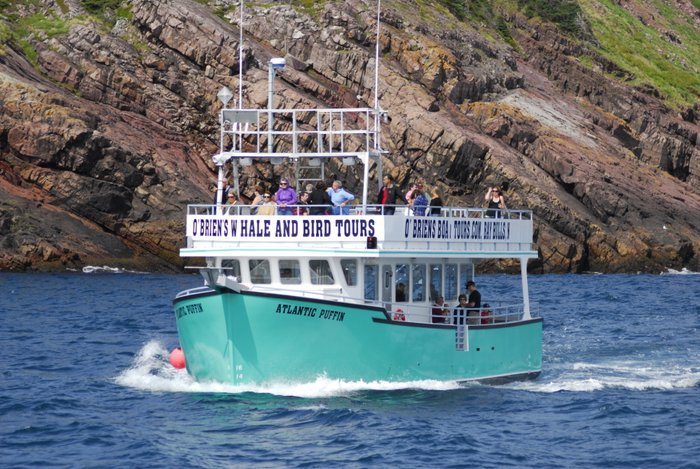
Planning Your Marine Photography Adventure
Preparation is key for any successful shoot at sea. Here are some steps to ensure you’re ready for the unpredictable ocean environment:
- Research local wildlife: Learn about the species you’re likely to encounter and their behaviors. This helps you anticipate where and when to find them.
- Choose the right time: Early morning and late afternoon offer the best light and increased wildlife activity. Calm weather and clear skies also improve visibility.
- Pack smart: Bring extra batteries, memory cards, and weather protection for your gear. For advice on what to bring, check out this packing guide for small ship adventure cruises.
- Respect regulations: Always follow local wildlife and boating guidelines to ensure your safety and the well-being of the animals.
Techniques for Stunning Ocean Wildlife Images
Capturing moving animals in a dynamic environment requires patience and practice. Use these ocean wildlife photography tips to improve your results:
- Use fast shutter speeds: Marine animals move quickly. Set your camera to a shutter speed of at least 1/1000s to freeze action and avoid blur.
- Focus on the eyes: Sharp eyes make wildlife images more engaging. Use single-point autofocus and track the animal’s face whenever possible.
- Anticipate behavior: Watch for patterns, such as dolphins leaping or seabirds diving, and be ready to shoot at the right moment.
- Keep your distance: Use a telephoto lens to avoid disturbing wildlife. Ethical photography means respecting the animals’ space.
- Experiment with angles: Try shooting from low on the boat or even underwater for unique perspectives. If you’re snorkeling or diving, approach slowly and avoid sudden movements.
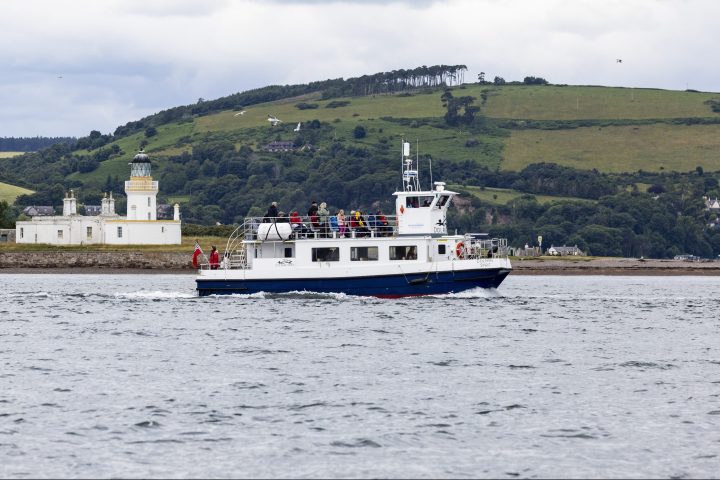
Staying Safe and Protecting the Environment
Safety should always come first when photographing at sea. Here are some important reminders:
- Wear a life jacket: Even experienced swimmers should wear flotation devices when on boats or near open water.
- Stay hydrated and protected: Bring water, snacks, and sun protection to avoid fatigue and sunburn.
- Respect wildlife: Never chase, feed, or touch marine animals. Observe from a distance and minimize your impact on their habitat.
- Leave no trace: Take all trash with you and avoid using single-use plastics that can harm ocean life.
For more ideas on responsible travel and nature activities, explore nature based tourism activities that support conservation and education.
Editing and Sharing Your Marine Life Photos
Post-processing can enhance your images and bring out the best in your wildlife shots. Here are some editing suggestions:
- Adjust exposure and contrast: Brighten shadows and tone down highlights to reveal details in both the animal and the water.
- Enhance colors: Boost vibrancy to make blues, greens, and animal markings stand out, but avoid over-saturation.
- Crop for composition: Remove distractions and focus attention on the subject. Use the rule of thirds for balanced images.
- Share responsibly: When posting online, include information about the species and location to educate others and raise awareness about marine conservation.
Frequently Asked Questions
What is the best time of day for photographing ocean wildlife?
Early morning and late afternoon are ideal because the light is softer and many animals are more active. These times also reduce harsh reflections from the water, making it easier to capture clear images.
How can I photograph marine animals without disturbing them?
Use a telephoto lens to maintain distance, move slowly, and avoid loud noises. Always observe local guidelines for wildlife encounters and never attempt to touch or feed the animals.
What camera settings work best for moving subjects at sea?
Set your camera to a fast shutter speed (at least 1/1000s), use continuous autofocus, and shoot in burst mode to increase your chances of capturing sharp, action-filled moments.
Conclusion
Mastering ocean wildlife photography tips takes time, patience, and respect for the natural world. By preparing properly, using the right gear, and practicing ethical techniques, you can create memorable images while protecting the animals and their environment. Whether you’re exploring new coastlines or joining family boating adventures in Florida, every outing offers a chance to learn and improve your skills. Remember to enjoy the experience and share your passion for marine life with others.