
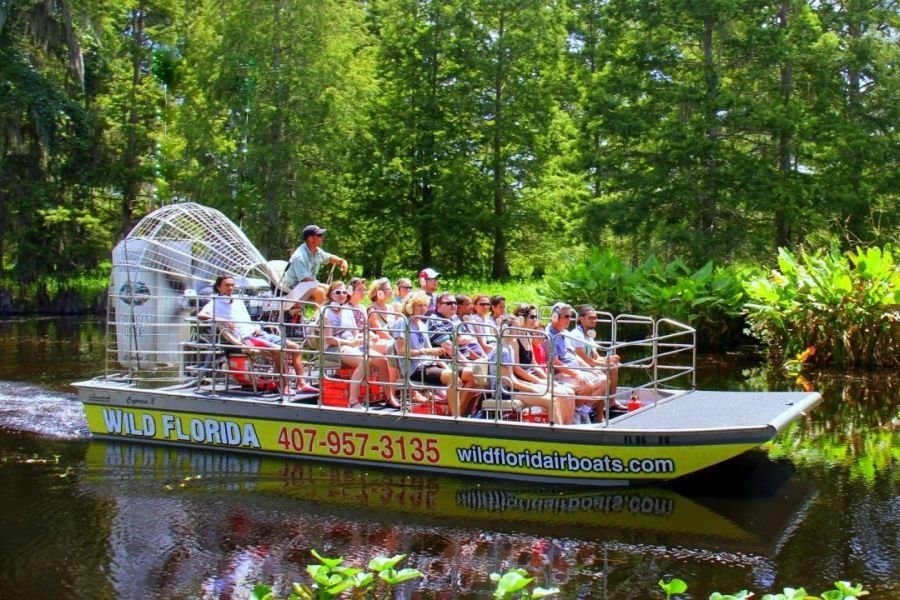
Florida is renowned for its vibrant coastline, but the state’s true natural treasures often lie beyond the beaches. Exploring Florida’s natural waterways opens up a world of lush rivers, winding inlets, and tranquil lagoons teeming with wildlife and adventure. Whether you’re seeking peaceful paddling routes, unique ecosystems, or a glimpse of rare species, these aquatic corridors offer an immersive way to connect with the Sunshine State’s wild side.
From the tannin-rich rivers of the north to the mangrove-lined estuaries of the south, Florida’s waterways are as diverse as they are beautiful. Many of these areas are protected, providing vital habitats for manatees, dolphins, wading birds, and countless fish species. For nature lovers, boaters, and photographers, these environments offer endless opportunities for discovery and relaxation.
For those interested in responsible travel and environmental stewardship, learning how to enjoy wildlife viewing responsibly is essential when venturing into these sensitive habitats. Adopting eco-friendly practices ensures that Florida’s rivers, inlets, and lagoons remain pristine for generations to come.
Why Florida’s Waterways Are Unique
Florida’s geography creates a mosaic of interconnected aquatic environments. The state’s flat terrain, abundant rainfall, and proximity to both the Atlantic Ocean and Gulf of Mexico have shaped a landscape where freshwater and saltwater often mingle. This blend results in a range of habitats, from crystal-clear springs to brackish estuaries.
- Rivers: Many originate from underground springs, providing cool, clear water year-round. The Suwannee, St. Johns, and Peace Rivers are just a few examples, each with its own character and wildlife.
- Inlets: These narrow passages connect the ocean to inland waterways, creating dynamic environments where tides and currents shape the landscape. Inlets are hotspots for fishing, boating, and wildlife observation.
- Lagoons: Shallow, sheltered bodies of water like the Indian River Lagoon support some of the highest biodiversity in North America, including seagrass beds and mangrove forests.
These environments are not only scenic but also crucial for the health of Florida’s ecosystems. They act as nurseries for marine life, filters for water quality, and buffers against storms.
Top Destinations for Waterway Adventures
Travelers seeking to immerse themselves in Florida’s aquatic landscapes have a wealth of destinations to choose from. Here are some of the most rewarding spots for exploring Florida’s natural waterways in depth:
1. Indian River Lagoon
Stretching along Florida’s east coast, the Indian River Lagoon is a vast estuary system known for its remarkable biodiversity. Kayakers and paddleboarders can glide through mangrove tunnels, spot dolphins and manatees, and observe hundreds of bird species. The lagoon’s calm waters make it accessible for all skill levels.
2. Loxahatchee River
One of only two National Wild and Scenic Rivers in Florida, the Loxahatchee River winds through cypress swamps and subtropical hammocks. Paddlers can experience a sense of old Florida, passing under ancient trees draped with Spanish moss and watching for otters, turtles, and alligators. Guided eco-tours are available for those who want to learn more about the river’s ecology.
3. Jupiter Inlet
Jupiter Inlet is a gateway between the Atlantic Ocean and the Intracoastal Waterway. Its swift currents and clear waters attract boaters, anglers, and snorkelers. The area is also home to historic landmarks and scenic parks, making it a favorite for family outings and photography. For more inspiration on local excursions, check out these scenic ocean and inlet adventures.
4. Crystal River
Famous for its resident manatee population, Crystal River offers a unique chance to observe these gentle giants up close. The spring-fed waters remain a constant 72°F, making it a year-round haven for both wildlife and visitors. Snorkeling, kayaking, and wildlife tours are popular ways to explore the area.
Wildlife and Ecosystems You’ll Encounter
One of the main draws of exploring Florida’s natural waterways is the abundance of wildlife. These habitats support a wide array of creatures, from charismatic megafauna to tiny invertebrates. Some highlights include:
- Manatees: Often found in warm, slow-moving rivers and lagoons, especially in winter months.
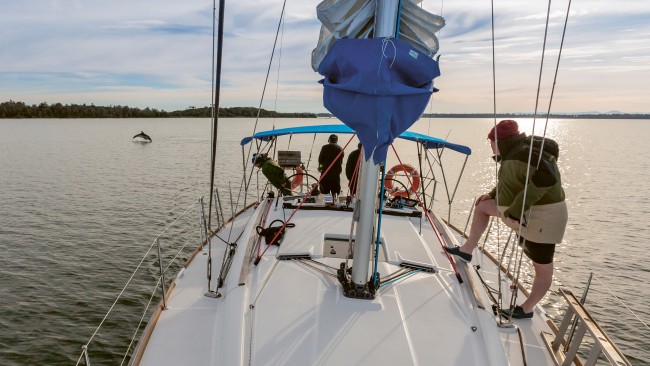
- Dolphins: Common in inlets and estuaries, where they hunt for fish and play in boat wakes.
- Wading Birds: Herons, egrets, spoonbills, and ibises thrive in shallow waters and marshes.
- Alligators and Turtles: Frequently seen basking along riverbanks or swimming just below the surface.
- Fish and Crustaceans: Snook, redfish, tarpon, blue crabs, and shrimp are just a few of the species that rely on these waters for breeding and feeding.
Healthy waterways also support lush plant life, including submerged grasses, water lilies, and mangroves, which stabilize shorelines and provide shelter for young animals.
Tips for a Safe and Enjoyable Experience
To make the most of your journey through Florida’s rivers, inlets, and lagoons, consider these practical tips:
- Plan Ahead: Research access points, tides, and weather conditions. Some areas may require permits or have restricted hours.
- Pack Essentials: Bring sun protection, water, snacks, and a waterproof bag for electronics. For a comprehensive list, see this complete guide to packing essentials for wildlife tours.
- Respect Wildlife: Observe animals from a distance and never feed or harass them. Use binoculars or a camera with a zoom lens for close-up views.
- Leave No Trace: Dispose of trash properly and avoid disturbing plants or habitats. Stick to marked trails and waterways.
- Choose the Right Gear: Polarized sunglasses and quality binoculars can greatly enhance your experience by reducing glare and bringing distant wildlife into view.
Best Times and Seasons for Waterway Exploration
Florida’s mild climate allows for year-round exploration, but certain seasons offer unique experiences:
- Winter: Cooler temperatures and lower humidity make for comfortable paddling. Manatees gather in warm springs, making them easier to spot.
- Spring: Migratory birds return, and wildflowers bloom along riverbanks. Water clarity is often at its best.
- Summer: Early mornings are ideal to avoid afternoon storms and heat. Expect lush vegetation and active wildlife.
- Fall: Fewer crowds and pleasant weather make this a favorite time for locals. Fish and bird activity remains high.
Always check local conditions and advisories before heading out, as water levels and wildlife patterns can change with the seasons.
Responsible Travel and Conservation
Preserving Florida’s natural beauty requires mindful recreation. Support local conservation efforts by following posted guidelines, participating in clean-up events, and choosing eco-certified tour operators. If you’re interested in more hidden spots, don’t miss discovering Florida’s hidden coastal gems for additional inspiration.
By respecting these fragile environments, you help ensure that future generations can enjoy the same sense of wonder and adventure found in Florida’s rivers, inlets, and lagoons.
Frequently Asked Questions
What are the best ways to explore Florida’s rivers and lagoons?
Kayaking, paddleboarding, and boating are popular ways to experience these waterways. Guided eco-tours are available for those who want expert insight into local wildlife and ecosystems. Many areas also offer hiking trails and boardwalks for land-based exploration.
Is it safe to swim in Florida’s natural waterways?
Swimming is allowed in many rivers and lagoons, especially those fed by springs. However, always check for posted advisories regarding water quality or wildlife, and avoid swimming in areas known for strong currents or alligator activity.
What wildlife can I expect to see?
Depending on the location and season, you may encounter manatees, dolphins, alligators, turtles, wading birds, and a variety of fish. Early morning and late afternoon are typically the best times for wildlife viewing.
Start Your Waterway Adventure
Florida’s rivers, inlets, and lagoons offer endless opportunities for exploration, relaxation, and wildlife encounters. Whether you’re a seasoned paddler or a first-time visitor, these natural corridors invite you to slow down and appreciate the state’s remarkable biodiversity. For more ideas on outdoor activities, check out the best outdoor learning experiences in Florida or plan an ocean sightseeing experience to complement your inland adventure.