
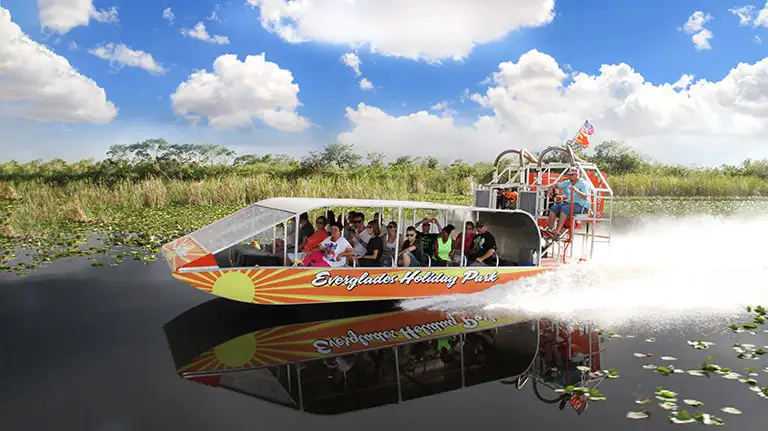
The meeting point of rivers and the Atlantic shapes some of the most dynamic and vital habitats in the southeastern United States. This Florida estuary ecosystem guide explores the unique environments where freshwater and saltwater blend, creating rich habitats for wildlife, supporting fisheries, and offering opportunities for recreation and education. Understanding these estuaries is essential for anyone interested in Florida’s natural wonders, from casual visitors to dedicated conservationists.
Estuaries in Florida are not just scenic landscapes—they are ecological powerhouses. These areas filter pollutants, buffer coastal communities from storms, and provide nurseries for countless marine species. Whether you’re planning a nature trip, looking for responsible wildlife viewing tips, or simply want to learn more about these vital zones, this guide will help you appreciate their importance and complexity.
For those interested in exploring more of Florida’s wild side, consider checking out nature based excursions in Palm Beach County to discover top wilderness trips and hidden gems along the coast.
Understanding Florida’s Estuaries: Nature’s Transition Zones
Estuaries are semi-enclosed bodies of water where rivers meet the sea, creating a blend of fresh and saltwater known as brackish water. In Florida, these environments are found along both the Atlantic and Gulf coasts, with notable examples like the Indian River Lagoon, Tampa Bay, and the Caloosahatchee Estuary. Each estuary is shaped by its unique geography, tidal patterns, and the rivers that feed into it.
The fluctuating salinity and nutrient-rich waters make estuaries some of the most productive ecosystems on the planet. They support a wide range of plant and animal life, acting as nurseries for fish, crustaceans, and shellfish. Mangroves, seagrasses, and salt marshes dominate the landscape, providing shelter and food for countless species.
Wildlife and Plant Diversity in Florida’s Estuaries
One of the most remarkable features of these transitional habitats is their biodiversity. From wading birds and manatees to oysters and blue crabs, estuaries are teeming with life. The mix of habitats—mudflats, tidal creeks, mangrove forests, and seagrass beds—creates a mosaic that supports both resident and migratory species.
- Birds: Roseate spoonbills, herons, egrets, and pelicans are commonly seen feeding in the shallows.
- Mammals: West Indian manatees and river otters rely on the shelter and food found in estuarine waters.
- Fish: Juvenile snook, redfish, tarpon, and mullet use these areas as nurseries before moving to open waters.
- Invertebrates: Blue crabs, shrimp, and oysters thrive in the nutrient-rich mud and grasses.
- Plants: Mangroves, cordgrass, and seagrasses stabilize shorelines and filter water.
For those interested in observing wildlife, it’s important to follow how to enjoy wildlife viewing responsibly to protect these sensitive environments and their inhabitants.
Key Functions of Estuarine Ecosystems
Florida’s estuaries perform several critical ecological roles. Understanding these functions is central to appreciating why these areas are so important for both nature and people:
- Nursery Grounds: Many commercially and recreationally important fish and shellfish begin their lives in estuaries, where they find abundant food and protection from predators.
- Water Filtration: Wetland plants and oyster reefs help filter out pollutants, improving water quality before it reaches the ocean.
- Storm Protection: Mangroves and salt marshes buffer inland areas from storm surges and erosion, protecting coastal communities.
- Carbon Sequestration: Estuarine plants capture and store carbon, helping to mitigate climate change.
These vital services benefit not only wildlife but also Florida’s residents and visitors, supporting tourism, fishing, and recreation.
Top Estuarine Destinations for Exploration
Florida offers a variety of estuarine sites for those eager to experience these ecosystems firsthand. Some of the most notable locations include:
- Indian River Lagoon: Stretching along the east coast, this lagoon is one of the most biodiverse in North America, home to over 4,000 species.
- Everglades National Park: The park’s estuarine areas are a haven for birds, reptiles, and marine life.
- Tampa Bay: A hotspot for birdwatching, fishing, and kayaking, with extensive mangrove and seagrass habitats.
- Apalachicola Bay: Known for its oyster reefs and pristine marshes, this bay supports a thriving seafood industry.
For those seeking unique experiences, discovering Florida’s hidden coastal gems can lead to less-traveled estuarine spots perfect for quiet exploration and wildlife photography.
Responsible Recreation and Conservation
Visiting estuarine areas offers a chance to connect with nature, but it’s important to minimize impact. Here are some tips for responsible exploration:
- Stick to marked trails and boardwalks to avoid trampling sensitive vegetation.
- Observe wildlife from a distance—binoculars and polarized sunglasses can enhance your viewing experience without disturbing animals.
- Pack out all trash and avoid using single-use plastics.
- Support local conservation efforts and educational programs.
For travelers interested in combining learning with adventure, there are many educational marine tourism opportunities that focus on ocean science and estuarine ecology.
Photographers and wildlife enthusiasts can benefit from expert advice on gear and packing for expeditions. For practical tips, see this comprehensive guide to packing for a wildlife photography expedition.
Threats Facing Florida’s Estuaries
Despite their resilience, estuarine environments face significant challenges:
- Pollution: Runoff from agriculture, urban areas, and industry can introduce excess nutrients and toxins, leading to algal blooms and habitat loss.
- Development: Coastal construction and dredging can destroy wetlands and disrupt natural water flow.
- Climate Change: Rising sea levels, increased storm intensity, and changing rainfall patterns threaten the delicate balance of estuarine systems.
- Overfishing: Unsustainable harvesting of fish and shellfish can disrupt food webs and reduce biodiversity.
Protecting these areas requires coordinated efforts from government, communities, and visitors alike. Supporting restoration projects and practicing responsible recreation are key steps anyone can take.
Planning Your Visit: Tips for Exploring Estuarine Habitats
To make the most of your trip to a Florida estuary, consider these practical suggestions:
- Visit during early morning or late afternoon for the best wildlife activity and lighting for photography.
- Bring binoculars and sunglasses to enhance your ability to spot birds and marine life.
- Check local regulations regarding fishing, boating, and access to sensitive areas.
- Join guided tours or educational programs to deepen your understanding of estuarine ecology.
- Combine your visit with other vacation activities for animal lovers for a well-rounded wildlife experience.
Frequently Asked Questions
What makes Florida’s estuaries unique compared to other coastal regions?
Florida’s estuaries are distinguished by their high biodiversity, extensive mangrove and seagrass habitats, and the influence of both tropical and temperate species. The state’s flat topography and abundant rainfall also contribute to the formation of large, productive estuarine systems.
How can visitors help protect estuarine environments?
Visitors can help by following established trails, avoiding disturbance to wildlife, reducing plastic use, supporting local conservation groups, and participating in clean-up events. Responsible recreation ensures these habitats remain healthy for future generations.
What are the best times of year to visit Florida’s estuaries for wildlife viewing?
Spring and fall are ideal for birdwatching, as many migratory species pass through. Winter offers opportunities to see manatees and other marine life seeking warmer waters. Summer can be hot and buggy, but early mornings are still productive for wildlife activity.