
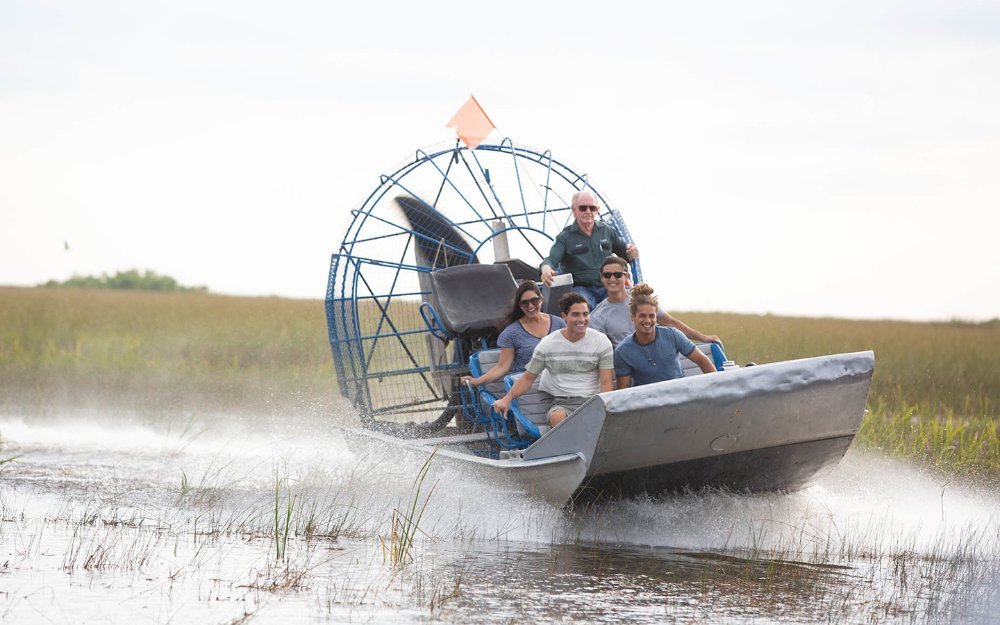
Interactive marine education experiences are transforming the way people of all ages connect with the ocean. These hands-on learning opportunities go far beyond traditional classroom lessons, offering direct engagement with marine environments, wildlife, and conservation efforts. Whether you’re a student, a family, or simply someone curious about the sea, these immersive activities provide a deeper understanding of our oceans and the vital role they play in our world.
From guided boat tours and touch tanks to outdoor science programs and wildlife observation, today’s marine learning adventures are designed to inspire curiosity and stewardship. By actively participating, visitors not only gain scientific knowledge but also develop a personal connection to marine ecosystems. This guide explores the many ways you can get involved, what to expect, and how to make the most of your time exploring the wonders of the ocean.
If you’re interested in responsible nature exploration, you might also enjoy learning about how to enjoy wildlife viewing responsibly for a more ethical and rewarding experience.
Why Choose Hands-On Ocean Learning?
Participating in experiential marine programs offers unique benefits that can’t be replicated by books or screens. Here’s why these opportunities are so valuable:
- Engagement: Direct involvement helps participants retain information and develop a genuine interest in marine science.
- Conservation Awareness: Seeing marine life up close fosters respect for ocean habitats and highlights the importance of protecting them.
- Skill Development: Activities like species identification, water sampling, and navigation build practical scientific and observational skills.
- Memorable Experiences: Hands-on learning creates lasting memories and often inspires future study or advocacy.
Types of Interactive Marine Education Experiences
There are many ways to immerse yourself in ocean learning. The following sections highlight some of the most popular and impactful options available today.
Guided Boat Tours and Wildlife Cruises
One of the most accessible ways to experience marine environments is through guided boat tours. These excursions often include knowledgeable naturalists who share insights about local ecosystems, wildlife behavior, and conservation efforts. Many tours offer opportunities to spot dolphins, manatees, sea turtles, and a variety of seabirds in their natural habitats.
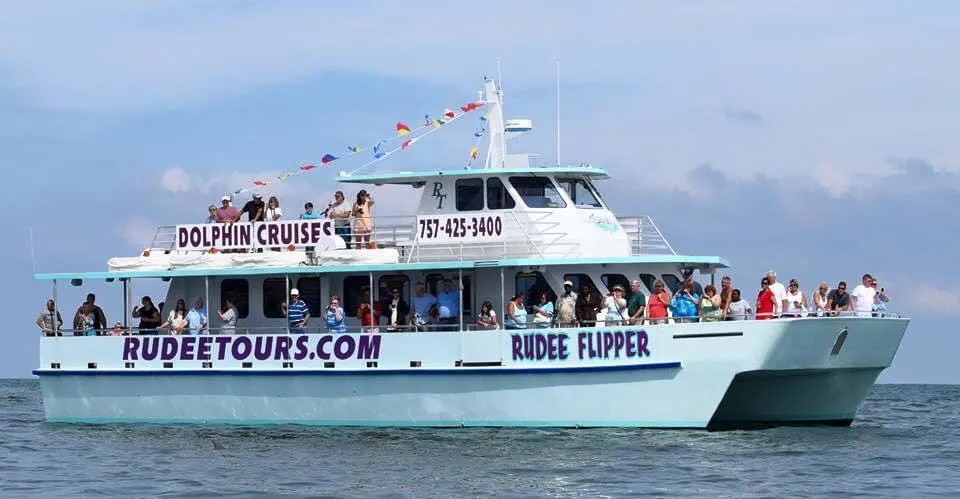
For those seeking a blend of sightseeing and learning, check out ideas for scenic ocean and inlet adventures that combine beautiful views with educational commentary.
Touch Tanks and Marine Science Centers
Touch tanks are a favorite among families and school groups. These interactive exhibits allow visitors to handle sea stars, urchins, and other marine creatures under the guidance of educators. Marine science centers often feature hands-on labs, aquariums, and workshops where guests can learn about oceanography, animal adaptations, and ongoing research projects.
Many centers also offer citizen science programs, where participants help collect data on water quality, plankton, or beach debris. These activities not only teach scientific methods but also contribute to real-world conservation efforts.
Outdoor Field Programs and Guided Nature Walks
For those who prefer to learn outdoors, field programs offer a chance to explore coastal habitats such as mangroves, salt marshes, and tide pools. Led by marine biologists or trained guides, these walks often include birdwatching, plant identification, and lessons on local ecology.
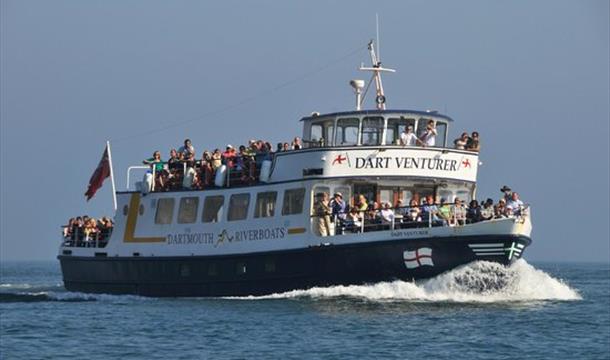
If you’re interested in discovering lesser-known spots, discovering Florida’s hidden coastal gems can offer unique learning opportunities away from the crowds.
Planning Your Marine Learning Adventure
To get the most out of your experience, a little preparation goes a long way. Here are some tips to help you plan:
- Research Programs: Look for reputable organizations with experienced guides and a focus on education and conservation.
- Book in Advance: Many tours and workshops fill up quickly, especially during peak seasons.
- Dress Appropriately: Wear sun protection, comfortable clothing, and non-slip shoes. Bring a hat and reusable water bottle.
- Pack Essentials: Binoculars and polarized sunglasses can enhance wildlife viewing. Consider bringing a notebook for observations.
- Be Respectful: Follow all guidelines to protect wildlife and habitats. Leave no trace and avoid disturbing animals.
For more advice on preparing for nature-based trips, you can find practical tips in this comprehensive guide to wildlife trip preparation.
Benefits for Families, Students, and Adults
Interactive marine education experiences are suitable for all ages and backgrounds. Here’s how different groups can benefit:
- Families: Shared activities foster bonding and create lasting memories. Kids develop curiosity and respect for nature.
- Students: Field trips and camps provide real-world context for classroom lessons, supporting STEM education and critical thinking.
- Adults: Lifelong learners can deepen their understanding of marine science, participate in citizen science, or simply enjoy the beauty of the ocean.
If you’re looking for more ways to combine fun and learning outdoors, explore the best outdoor learning experiences in Florida for inspiration.
Supporting Conservation Through Participation
By joining these programs, you’re not just learning—you’re also supporting conservation. Many organizations use proceeds to fund research, habitat restoration, and educational outreach. Some even involve participants in data collection, beach cleanups, or habitat monitoring, making a direct impact on local ecosystems.
Responsible participation is key. Always follow the guidance of educators and respect wildlife boundaries. For more on ethical exploration, see our earlier reference to how to enjoy wildlife viewing responsibly.
Frequently Asked Questions
What should I bring to a hands-on marine learning activity?
It’s best to pack sun protection (hat, sunscreen), comfortable clothing, non-slip shoes, a reusable water bottle, and any recommended gear like binoculars or sunglasses. Some programs provide equipment, but check in advance.
Are these experiences suitable for young children?
Yes, many programs are designed for families and children, with age-appropriate activities and safety measures. Always review the program details or contact organizers if you have specific concerns.
How do interactive marine programs support conservation?
Many organizations use program fees to fund research and conservation projects. Some involve participants in citizen science, habitat restoration, or educational outreach, directly contributing to ocean health.
Can I participate if I have limited mobility?
Accessibility varies by location and program. Many centers and boat tours offer accommodations, but it’s important to contact organizers ahead of time to discuss your needs.
Where can I find more information about local marine education opportunities?
Start by searching for marine science centers, aquariums, or wildlife tour operators in your area. Local tourism boards and environmental organizations are also good resources for up-to-date information.
Conclusion
Engaging with the ocean through interactive marine education experiences offers a rewarding way to learn, connect, and contribute to conservation. Whether you join a guided boat tour, explore a touch tank, or participate in a field workshop, you’ll gain knowledge and memories that last a lifetime. Embrace the opportunity to discover the ocean’s wonders firsthand and become an advocate for its protection.
For more ideas on ocean exploration, see our guide to ocean sightseeing experiences for tourists and start planning your next adventure.