
South Florida is home to some of the most diverse and vibrant marine environments in the United States. From lush mangrove forests to colorful coral reefs, these habitats are teeming with life and play a crucial role in supporting both wildlife and local communities. Learning about local marine habitats not only deepens your appreciation for the region but also helps foster responsible stewardship of these precious ecosystems.
Whether you’re a resident, visitor, or educator, exploring the unique coastal environments of South Florida offers endless opportunities for discovery. This guide highlights the essential features of these habitats, tips for observing wildlife, and practical advice for making the most of your nature outings. For those interested in expanding their adventures, check out nature based excursions in Palm Beach County for more ideas on how to immerse yourself in the outdoors.

Understanding South Florida’s Marine Ecosystems
The region’s coastal areas are shaped by a variety of interconnected marine habitats. Each plays a specific role in maintaining ecological balance and supporting a wide range of species. Here’s a closer look at the most prominent environments you’ll encounter while exploring South Florida’s shores:
- Mangroves: These salt-tolerant trees form dense forests along the coastline, providing shelter for juvenile fish, crabs, and birds. Their tangled roots help prevent erosion and filter pollutants from the water.
- Seagrass Beds: Found in shallow waters, seagrass meadows act as nurseries for many marine animals, including sea turtles and manatees. They also improve water quality by trapping sediments and absorbing nutrients.
- Coral Reefs: South Florida’s reefs are among the most biologically diverse ecosystems on earth. They offer habitat for hundreds of fish species, invertebrates, and corals, and serve as natural barriers against storm surges.
- Estuaries: Where freshwater from rivers meets the salty ocean, estuaries create brackish environments rich in nutrients. These areas support oysters, shrimp, and a variety of wading birds.
By learning about local marine habitats, you’ll gain insight into the delicate balance that sustains South Florida’s coastal life.
Why Local Marine Habitats Matter
Understanding the importance of these environments goes beyond simple curiosity. Healthy marine habitats provide:
- Biodiversity: They support a remarkable variety of plants and animals, many of which are found nowhere else.
- Economic Benefits: Fisheries, tourism, and recreation depend on thriving coastal ecosystems.
- Coastal Protection: Mangroves and reefs shield shorelines from erosion and storm damage.
- Climate Regulation: Seagrasses and mangroves absorb carbon dioxide, helping to mitigate climate change.
Protecting these habitats ensures that future generations can enjoy the same natural wonders and economic opportunities that South Florida offers today.
Best Spots for Exploring Marine Life in South Florida
There are countless places to observe marine habitats up close. Some of the most accessible and rewarding locations include:
- John D. MacArthur Beach State Park: This park features boardwalks through mangroves, snorkeling opportunities, and guided nature walks.
- Biscayne National Park: Covering both land and sea, this park is renowned for its coral reefs, seagrass beds, and abundant marine life.
- Peanut Island: A popular spot for snorkeling and kayaking, with clear waters and a variety of fish species.
- Loxahatchee River Estuary: Offers scenic paddling routes through mangroves and tidal creeks.
For families and groups, consider joining educational marine tourism opportunities to learn from local experts and naturalists.
Tips for Observing Wildlife Responsibly
When exploring coastal environments, it’s important to minimize your impact and respect the natural world. Here are some practical tips for responsible wildlife viewing:
- Keep a safe distance from animals, especially nesting birds, sea turtles, and manatees.
- Use binoculars or a camera with a zoom lens to observe wildlife without disturbing them.
- Stay on designated trails and boardwalks to avoid trampling sensitive vegetation.
- Never feed wild animals, as it disrupts their natural behavior and diet.
- Dispose of trash properly and pick up any litter you find along the way.
For more guidance on ethical nature experiences, see these tips for how to enjoy wildlife viewing responsibly.
What to Bring for a Day Exploring Marine Habitats
Preparation is key for a comfortable and enjoyable outing. Here’s a checklist of essentials for your next adventure:
- Sun Protection: Bring a hat, sunscreen, and UV-blocking sunglasses to shield yourself from the Florida sun.
- Binoculars: Ideal for spotting birds, dolphins, and distant wildlife.
- Reusable Water Bottle: Stay hydrated, especially during hot weather.
- Snorkeling Gear: If you plan to explore reefs or seagrass beds, a mask and snorkel are a must.
- Comfortable Footwear: Choose shoes that can get wet and provide good traction on slippery surfaces.
- Field Guide or App: Identify local species and learn more about the habitats you encounter.
For more packing ideas, review this comprehensive guide to packing for a small ship adventure cruise that covers essentials for every climate.

Family-Friendly Ways to Discover Coastal Environments
Exploring marine habitats can be a rewarding experience for all ages. Here are some ideas to make your outings fun and educational for kids and families:
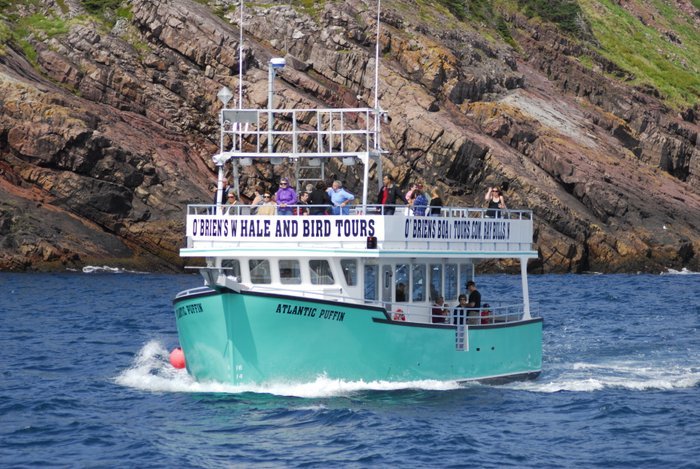
- Participate in guided nature walks or boat tours led by local experts.
- Try hands-on activities like tide pooling, shell collecting (where permitted), or wildlife scavenger hunts.
- Encourage children to keep a nature journal, drawing or writing about the creatures and plants they observe.
- Visit educational centers or aquariums to learn more about the region’s marine life.
For more inspiration, explore these family nature exploration ideas designed to spark curiosity and foster a love for the outdoors.
Supporting Conservation and Sustainable Tourism
As interest in South Florida’s coastal environments grows, so does the responsibility to protect them. Here’s how you can contribute to conservation efforts while enjoying your adventures:
- Choose eco-friendly tour operators who follow best practices for wildlife viewing and habitat protection.
- Participate in local beach cleanups or citizen science projects.
- Support organizations dedicated to marine conservation and education.
- Share your knowledge with others to inspire responsible behavior and appreciation for local ecosystems.
Combining recreation with stewardship ensures that South Florida’s marine habitats will remain healthy and vibrant for generations to come. If you’re passionate about animals, consider these vacation activities for animal lovers that highlight ethical wildlife encounters.
Frequently Asked Questions
What are the main types of marine habitats in South Florida?
The region features mangrove forests, seagrass beds, coral reefs, and estuaries. Each provides unique benefits for wildlife and helps maintain the coastal ecosystem’s health.
How can I observe marine life without disturbing it?
Use binoculars or cameras to watch animals from a distance, stay on marked trails, and avoid feeding or approaching wildlife. Responsible observation helps protect both animals and their habitats.
Are there guided tours for exploring marine environments?
Yes, many parks and local organizations offer guided walks, boat tours, and snorkeling trips. These experiences are led by knowledgeable guides who can teach you about the area’s natural history and conservation efforts.
What should I bring for a day exploring the coast?
Essentials include sun protection, water, binoculars, comfortable shoes, and a field guide. If you plan to snorkel, bring your own gear for the best experience.
How can I help protect South Florida’s marine habitats?
Support conservation groups, participate in cleanups, choose eco-friendly activities, and educate others about the importance of these environments.