
Florida’s coastline is home to a remarkable variety of local wildlife species found near the coast, offering nature lovers and curious explorers a chance to observe unique animals in their natural habitats. From sandy beaches and mangrove forests to tidal estuaries, the Sunshine State’s coastal regions are teeming with life. Whether you’re a resident or a visitor, understanding which animals you might encounter can make your next outdoor adventure more rewarding and responsible.
This guide highlights some of the most iconic and fascinating creatures you’re likely to spot along Florida’s shores. We’ll also share tips for observing wildlife ethically, and suggest ways to enhance your experience with the right gear and resources. For those interested in responsible nature viewing, be sure to check out how to enjoy wildlife viewing responsibly for essential eco-friendly practices.
Understanding Florida’s Coastal Ecosystems
Florida’s coastline stretches over 1,300 miles, encompassing a diverse range of ecosystems that support an abundance of coastal wildlife. These habitats include:
- Beaches – Home to nesting sea turtles, shorebirds, and crabs.
- Mangrove forests – Provide shelter for fish, birds, and reptiles.
- Salt marshes – Support wading birds, amphibians, and small mammals.
- Estuaries – Serve as nurseries for marine life and feeding grounds for dolphins and manatees.
Each of these environments plays a crucial role in the life cycles of the animals that inhabit them. The mix of saltwater and freshwater, along with Florida’s subtropical climate, creates ideal conditions for a wide range of species to thrive.
Iconic Marine Mammals and Where to Spot Them
Among the most beloved local wildlife species found near the coast are Florida’s marine mammals. Two standouts are the bottlenose dolphin and the West Indian manatee.
Bottlenose Dolphins
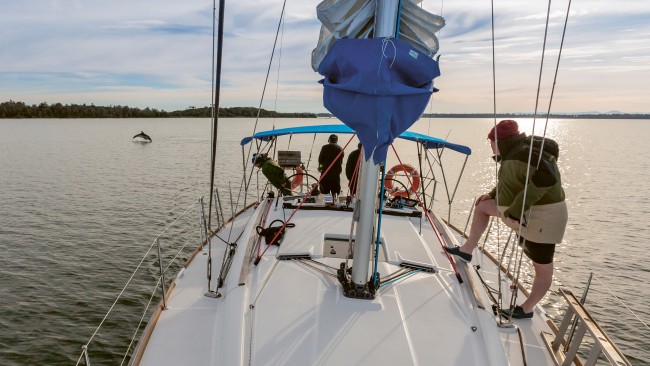
Bottlenose dolphins are frequently seen along the Atlantic and Gulf coasts, often swimming in pods near inlets and estuaries. These intelligent mammals are known for their playful behavior and acrobatic leaps. Early morning boat rides or guided tours increase your chances of spotting them. For a scenic adventure, consider exploring routes highlighted in scenic ocean and inlet adventures.
West Indian Manatees
Manatees, sometimes called “sea cows,” are gentle giants that inhabit warm, shallow coastal waters, rivers, and springs. They are most visible during the cooler months when they seek out warmer waters near power plants or natural springs. If you’re kayaking or paddleboarding, keep an eye out for these slow-moving herbivores grazing on seagrass beds.

Birds Commonly Seen Along the Shore
Florida’s coastline is a haven for birdwatchers, with hundreds of species recorded throughout the year. Some of the most recognizable coastal birds include:
- Brown Pelican – Easily identified by their large bills and dramatic diving for fish.
- Royal Tern – Sporting a black cap and bright orange bill, these birds gather in noisy flocks on sandy beaches.
- Osprey – Often seen hovering over water before plunging feet-first to catch fish.
- Willet and Sanderling – Small shorebirds that scurry along the surf’s edge, searching for invertebrates.
Many of these birds rely on Florida’s beaches and marshes for nesting and feeding. Spring and fall migrations bring even more diversity, making the coast a year-round destination for avian enthusiasts.
Reptiles and Amphibians in Coastal Habitats
Florida’s warm climate and abundant wetlands support a variety of reptiles and amphibians, many of which are closely tied to coastal environments.
Sea Turtles
Several species of sea turtles nest on Florida’s beaches, including the loggerhead, green, and leatherback turtles. Nesting season runs from March through October, and it’s important to respect marked nesting areas to protect these vulnerable animals.
American Alligator
While more commonly associated with freshwater habitats, American alligators can sometimes be found in brackish coastal marshes and mangrove swamps. They play a vital role in maintaining the balance of these ecosystems.
Other Notable Reptiles
Look for diamondback terrapins in salt marshes and mangroves, and keep an eye out for green anoles and various species of snakes basking in the sun near the water’s edge.
Fish, Crustaceans, and Other Marine Life
The waters along Florida’s coast are alive with fish, crabs, and other marine creatures. Some highlights include:
- Snook, Redfish, and Tarpon – Popular among anglers, these fish are found in estuaries, mangroves, and nearshore waters.
- Blue Crabs and Stone Crabs – Common in tidal creeks and marshes, these crustaceans are vital to the food web.
- Horseshoe Crabs – Ancient creatures often seen during spring spawning events on sandy beaches.
- Atlantic Stingray – Frequently encountered in shallow coastal waters; shuffle your feet when wading to avoid accidental stings.
Exploring tidal pools and seagrass beds can reveal a hidden world of smaller species, from colorful shrimp to tiny mollusks.
Tips for Observing Coastal Wildlife Responsibly
To ensure that future generations can enjoy Florida’s natural treasures, it’s essential to practice ethical wildlife viewing. Here are some key tips:
- Maintain a respectful distance from all animals, especially nesting birds and sea turtles.
- Never feed wild animals, as this disrupts their natural behavior and diet.
- Use binoculars or a camera with a zoom lens for close-up views without disturbing wildlife.
- Stay on marked trails and avoid trampling sensitive habitats.
- Dispose of trash properly and participate in local beach cleanups.
For more advice on eco-friendly exploration, see our guide to discovering Florida’s hidden coastal gems and consider reading this complete guide to packing essentials for your first wildlife tour for practical tips.
Enhancing Your Coastal Wildlife Experience
To get the most out of your wildlife excursions, consider:
- Visiting during early morning or late afternoon, when animals are most active.
- Bringing quality binoculars and polarized sunglasses for better viewing.
- Joining guided tours or educational programs to learn from local experts.
- Exploring different habitats, from beaches to mangroves, for a wider variety of sightings.
Families and students can also benefit from best outdoor learning experiences in Florida to combine fun with education.
Frequently Asked Questions
What is the best time of year to see coastal wildlife in Florida?
Many animals can be seen year-round, but spring and fall migrations bring extra bird diversity. Sea turtle nesting occurs from March to October, while manatees are easiest to spot in winter when they seek warm waters.
Are there any safety tips for observing wildlife near the coast?
Yes. Always keep a safe distance from wild animals, be aware of your surroundings, and follow posted signs. Shuffle your feet in shallow water to avoid stingrays, and never approach or feed wildlife.
Can I take a boat tour to see marine animals?
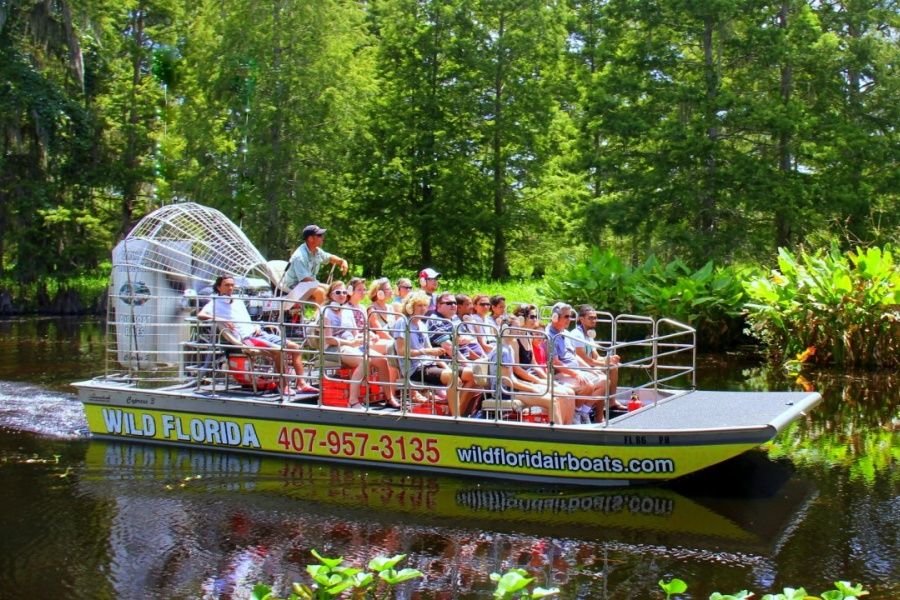
Absolutely. Boat tours are a great way to observe dolphins, manatees, and birds. For ideas, check out ocean sightseeing experiences for tourists and choose eco-certified operators for the most responsible outings.
Conclusion
Florida’s coastline offers endless opportunities to observe an incredible array of local wildlife species found near the coast. By exploring responsibly and respecting these natural habitats, you can enjoy memorable encounters while helping to preserve these ecosystems for the future. Whether you’re scanning the horizon for dolphins, watching sea turtles nest, or marveling at a pelican’s dive, the Sunshine State’s shores are a living classroom for nature enthusiasts of all ages.