
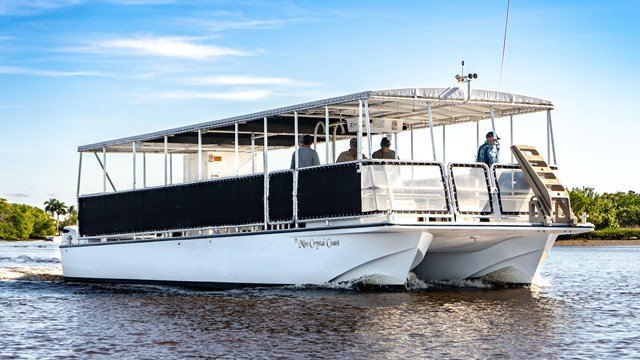
Curious travelers are increasingly seeking hands-on, educational adventures that go beyond traditional sightseeing. Marine biology experiences for tourists offer a unique opportunity to step into the shoes of a scientist, explore vibrant coastal ecosystems, and contribute to real research. Whether you’re passionate about ocean conservation, fascinated by marine wildlife, or simply looking for a memorable family outing, these programs allow you to learn, observe, and participate in the wonders of the underwater world.
From dolphin tracking to coral reef monitoring, these immersive activities are available in many coastal destinations. They connect visitors with expert guides, foster a deeper appreciation for marine life, and often support local conservation efforts. If you’re planning a trip to the coast, consider adding a marine science adventure to your itinerary for an experience that’s both fun and meaningful.
For those interested in combining learning with leisure, Florida offers a variety of options. You can find inspiration for your next trip by exploring family boating adventures in Florida, which often include opportunities to spot dolphins, manatees, and other marine creatures in their natural habitats.
What to Expect from a Marine Science Excursion
Participating in a marine biology outing is more than just a boat ride or a guided walk. These experiences are designed to be interactive and educational, often led by marine biologists or trained naturalists. Here’s what you might encounter:
- Wildlife Observation: Get up close with dolphins, sea turtles, manatees, and seabirds. Many programs use ethical wildlife watching practices, ensuring minimal disturbance to animals.
- Hands-On Research: Help collect water samples, identify plankton under microscopes, or record animal sightings. Your data may contribute to ongoing scientific studies.
- Conservation Activities: Participate in beach cleanups, coral restoration, or educational workshops about ocean health and sustainability.
- Guided Learning: Listen to engaging talks about local ecosystems, marine food webs, and the challenges facing ocean environments.
These tours are suitable for all ages and backgrounds, making them a great choice for families, school groups, or solo travelers looking to expand their knowledge while enjoying the outdoors.
Popular Destinations for Marine Biology Experiences
Many coastal regions around the world now offer programs that let visitors engage with marine science. Here are a few popular locations where you can join these adventures:
- Florida Keys, USA: Known for its coral reefs and diverse marine life, the Keys offer snorkeling trips, dolphin research cruises, and sea turtle conservation tours.
- Great Barrier Reef, Australia: Participate in reef monitoring, coral planting, and guided snorkeling with marine biologists.
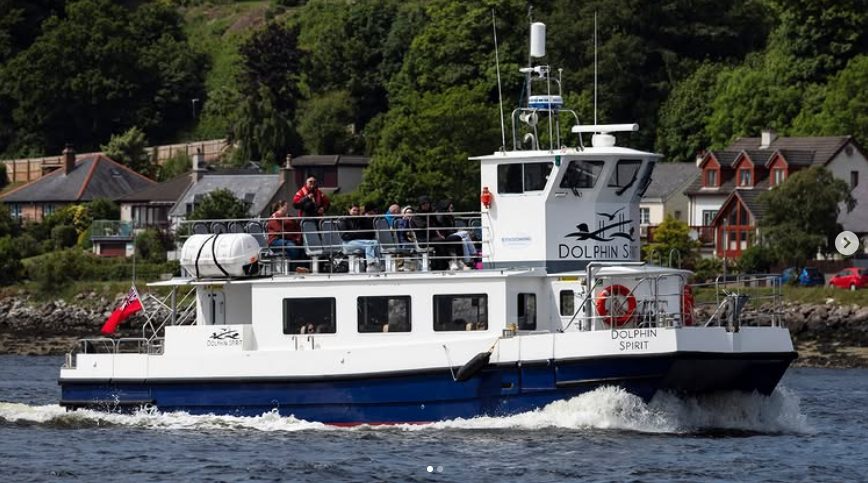
- Scotland’s Moray Firth: Home to bottlenose dolphins and seals, this region features boat tours with onboard scientists collecting data on local populations.
- Galápagos Islands, Ecuador: Join naturalist-led excursions to study unique species and learn about ongoing conservation efforts.
Wherever you travel, look for programs that are accredited or partnered with reputable research organizations. This ensures your participation supports genuine scientific and conservation work.
How to Choose the Right Program
With so many options available, it’s important to select a marine biology tour that matches your interests, skill level, and ethical values. Here are some tips for making the right choice:
- Check Credentials: Look for tours led by certified marine biologists or guides with relevant training.
- Review Conservation Practices: Choose operators who follow responsible wildlife viewing guidelines and support local research or restoration projects.
- Consider Accessibility: Some programs are tailored for families with young children, while others may require swimming or snorkeling skills.
- Read Reviews: Feedback from previous participants can offer insights into the educational value and overall experience.
For those who want to plan a comprehensive marine wildlife outing, our marine wildlife adventure planning guide covers everything from booking the right tour to preparing for your day on the water.
Essential Gear for Your Adventure
To make the most of your day as a citizen scientist, consider bringing a few essentials:
- Binoculars: Spot distant dolphins, seabirds, and other wildlife with ease.
- Polarized Sunglasses: Reduce glare on the water and protect your eyes during long hours outdoors.
- Notebook or Waterproof Journal: Record your observations and notes from the field.
- Sun Protection: Bring reef-safe sunscreen, a hat, and lightweight clothing.
- Reusable Water Bottle: Stay hydrated while reducing plastic waste.
Some tours provide specialized equipment, but having your own gear can enhance your comfort and ability to participate fully.
Responsible Wildlife Watching and Conservation
One of the most rewarding aspects of these excursions is the chance to observe marine animals in their natural environment. However, it’s crucial to follow best practices to ensure your presence does not disturb wildlife. The Government of Canada’s marine mammal watching guidelines offer helpful advice on maintaining a safe and respectful distance, minimizing noise, and avoiding sudden movements.
By choosing tours that prioritize ethical wildlife encounters and support conservation, you help protect fragile ecosystems for future generations. Many programs also include educational components on topics like understanding dolphin social structures or the importance of healthy coral reefs.
Combining Fun and Learning on the Water
Marine biology experiences are not only educational—they’re also a lot of fun. Whether you’re snorkeling over colorful reefs, helping tag sea turtles, or joining a family-friendly sightseeing cruise, you’ll gain memories and knowledge that last a lifetime. These outings are perfect for travelers who want to blend adventure with learning, and they often inspire a deeper commitment to ocean stewardship.
If you’re looking for more ideas for your next trip, consider exploring family friendly sightseeing cruises or discovering the best waterfront recreation in South Florida for a well-rounded coastal getaway.
Frequently Asked Questions
Are marine biology tours suitable for children?
Yes, many programs are designed with families in mind and welcome children of all ages. Activities are often tailored to be engaging and educational for younger participants, making them a great choice for family vacations.
Do I need any prior experience to join a marine science excursion?
No prior experience is necessary for most tours. Guides provide all the instruction and background you need, whether you’re collecting data, snorkeling, or observing wildlife from a boat.
How can I be sure my participation supports real conservation?
Choose tours that are affiliated with research institutions, conservation organizations, or local authorities. Look for transparency about how your involvement and fees contribute to ongoing scientific or restoration efforts.