
Florida’s coastline is a haven for ocean enthusiasts and wildlife watchers. With its warm waters and diverse habitats, the region is home to an incredible variety of marine creatures. Whether you’re a local, a visiting snorkeler, or a family on vacation, having a marine wildlife identification guide helps you recognize the fascinating animals you might encounter along the shore or out at sea.
This article offers practical tips for identifying common species, highlights where and when to look, and shares resources for responsible wildlife viewing. If you’re planning nature-based outings, consider exploring nature based excursions in Palm Beach County for even more opportunities to spot ocean animals in their natural environment.
Why Use a Marine Wildlife Identification Guide in Florida?
Florida’s waters are teeming with life, from playful dolphins to gentle manatees and vibrant reef fish. A reliable marine wildlife identification guide helps you:
- Recognize species by their unique features and behaviors
- Distinguish between similar-looking animals
- Understand which species are protected or endangered
- Enhance your appreciation of the region’s biodiversity
Whether you’re on a boat tour, snorkeling, or exploring tide pools, being able to identify what you see adds depth to your experience and supports conservation efforts.
Top Marine Animals to Spot Along Florida’s Coast
Florida’s Atlantic and Gulf coasts offer a chance to see a wide range of marine life. Here are some of the most iconic and frequently sighted species:
Dolphins and Porpoises
Bottlenose dolphins are among the most recognizable marine mammals in Florida. Look for their curved dorsal fins and playful leaps near boats and inlets. Porpoises are less common but can be distinguished by their smaller size and triangular fins.
Manatees
Known as “sea cows,” manatees are gentle giants that graze on seagrass in shallow waters, rivers, and springs. They have rounded bodies, paddle-shaped tails, and wrinkled faces. Manatees are most visible in winter when they gather in warm-water refuges.
Sea Turtles
Florida’s beaches are vital nesting grounds for loggerhead, green, and leatherback turtles. In the water, you can spot their large, streamlined shells and flipper-like limbs. Remember, sea turtles are protected—observe from a distance and avoid disturbing nests.
Colorful Reef Fish
Snorkelers and divers can encounter angelfish, parrotfish, sergeant majors, and more. Each species has distinct colors and patterns. A laminated fish chart or underwater guidebook is handy for quick identification.
Sharks and Rays
While often misunderstood, many sharks and rays are harmless and fascinating to observe. Look for the distinctive shapes of nurse sharks resting on the seafloor, or the graceful gliding of spotted eagle rays and southern stingrays in sandy bays.
How to Identify Marine Wildlife: Key Features and Tips
Spotting and identifying ocean animals is easier when you know what to look for. Here are some practical tips for using a marine wildlife identification guide effectively:
- Observe Size and Shape: Note the animal’s silhouette, body proportions, and fin or flipper shapes.
- Look for Color Patterns: Many fish and invertebrates have distinctive markings, stripes, or spots.
- Watch Behavior: Dolphins leap and surf, manatees glide slowly, while rays “fly” along the bottom.
- Check the Habitat: Some species prefer reefs, others sandy bottoms, mangroves, or open water.
- Use Binoculars: For distant sightings, quality binoculars can help you see details without disturbing wildlife.
For more tips on wildlife photography gear, see this comprehensive guide to photo gear for wildlife spotting.
Best Places and Times for Ocean Animal Encounters in Florida
Florida offers year-round opportunities to see marine life, but some locations and seasons are especially rewarding:
- Winter: Manatees gather in warm springs and power plant outflows. Look for them in places like Blue Spring State Park and the Indian River Lagoon.
- Spring and Summer: Sea turtle nesting season begins. Early morning or evening walks on protected beaches may reveal tracks or hatchlings (observe from a distance).
- Reefs and Wrecks: Snorkeling and diving in the Florida Keys, Palm Beach, and Jupiter reveal colorful fish, rays, and sometimes sea turtles or nurse sharks.
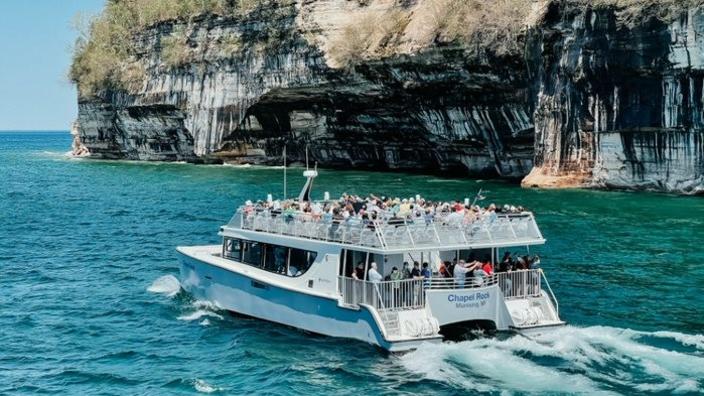
- Boat Tours: Dolphin and wildlife cruises along the Intracoastal Waterway and offshore offer a chance to see larger animals in their element.
Families looking for educational outings can find more ideas in our article on family nature exploration ideas.
Responsible Wildlife Viewing and Conservation
Respect for marine animals and their habitats is essential. Here are some guidelines for ethical wildlife encounters:
- Keep a safe distance—use binoculars or zoom lenses instead of approaching animals.
- Never feed or touch wildlife, as it can disrupt natural behaviors and harm the animals.
- Follow local rules on protected areas, especially during nesting or calving seasons.
- Dispose of trash properly and avoid leaving fishing line or plastic on the beach.
For more on eco-friendly practices, read our guide on how to enjoy wildlife viewing responsibly.
Tools and Resources for Marine Animal Spotting
Enhance your identification skills and wildlife experiences with these resources:
- Field Guides: Waterproof booklets or cards with photos and descriptions of local species.
- Mobile Apps: Apps like iNaturalist and Audubon’s field guides help identify and log sightings.
- Binoculars and Sunglasses: Quality optics and polarized lenses reduce glare and improve visibility on the water.
- Guided Tours: Local naturalists and boat captains can point out and explain marine life you might otherwise miss. For educational outings, see our article on educational marine tourism opportunities.
FAQ: Florida Ocean Animal Spotting
What is the best time of year to see manatees in Florida?
Manatees are most visible during the winter months, typically from November through March, when they seek out warm-water springs and protected inlets. Popular viewing spots include Blue Spring State Park and the Indian River Lagoon.
How can I tell the difference between a dolphin and a porpoise?
Dolphins generally have a longer, beak-like snout and a curved dorsal fin, while porpoises have a shorter snout and a more triangular dorsal fin. Dolphins are more commonly seen along Florida’s coast.
Are there any safety tips for observing marine wildlife?
Always keep a respectful distance, avoid sudden movements, and never attempt to feed or touch wild animals. Use binoculars or a camera with a zoom lens for close-up views. Follow local guidelines to protect both yourself and the wildlife.
Conclusion
Exploring Florida’s coastal waters is a rewarding way to connect with nature and learn about the region’s rich biodiversity. A well-prepared marine wildlife identification guide empowers you to recognize, appreciate, and help protect the incredible animals you encounter. Remember to observe responsibly, use the right gear, and make the most of your time in this unique marine environment. For more ideas on animal-focused activities, check out our suggestions for vacation activities for animal lovers.