
For those passionate about the ocean, few experiences compare to observing marine animals in their natural habitat. Whether you’re a researcher, a wildlife tour guide, or an enthusiastic traveler, understanding marine wildlife observation techniques can transform a casual outing into a memorable encounter. Experts rely on a blend of patience, specialized equipment, and deep knowledge of animal behavior to maximize their chances of spotting elusive creatures. This guide explores the most effective methods, essential gear, and best practices for responsible and rewarding marine wildlife watching.
If you’re planning your own adventure, you might also enjoy our guide to family boating adventures in Florida, which offers tips for making the most of your time on the water with loved ones.
Understanding Animal Behavior for Successful Sightings
One of the most important aspects of effective marine wildlife observation techniques is learning to interpret animal behavior. Experts spend years studying the habits, migration patterns, and preferred habitats of different species. For example, dolphins are often found near the bow of boats, riding the waves, while sea turtles may surface quietly in calm, shallow waters. Recognizing feeding, mating, or social behaviors can help you predict where and when animals are most likely to appear.
Timing is also crucial. Many marine animals are more active during certain times of day or seasons. Early mornings and late afternoons often yield the best results, as the light is softer and animals are less disturbed by human activity. Paying attention to tides, currents, and weather patterns can further increase your chances of a successful sighting.
Essential Gear for Marine Wildlife Spotting
Having the right equipment can make a significant difference in your ability to spot and identify marine animals. Here are some essentials used by professionals:
- Binoculars: A good pair of waterproof binoculars allows you to scan the horizon and pick out distant fins, flukes, or splashes. Look for models with a wide field of view and anti-fog coatings for marine conditions.
- Polarized Sunglasses: Glare from the water can make it difficult to see beneath the surface. Polarized lenses reduce reflections, making it easier to spot animals just below the waves.
- Field Guides: Bringing along a waterproof guide to local marine life helps with quick identification and adds to the educational value of your trip.
- Camera with Zoom Lens: For those hoping to capture their sightings, a camera with a quality zoom lens is invaluable. It allows you to photograph animals from a respectful distance without disturbing them.
Expert Methods for Spotting Marine Life
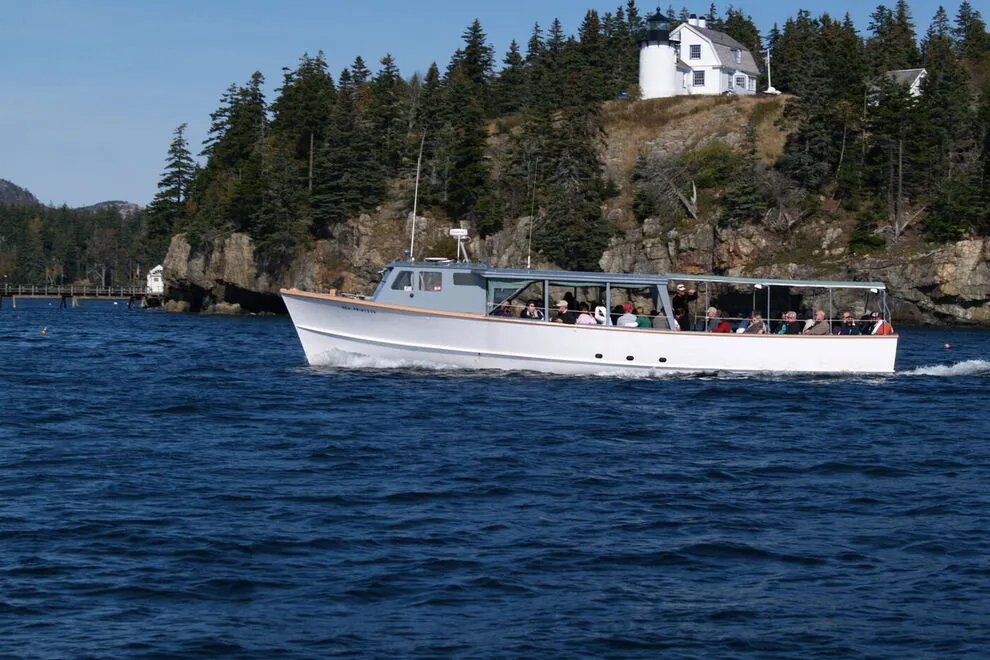
Professionals use a combination of observation skills and strategic positioning to maximize their chances of seeing marine animals. Here are some proven methods:
- Scanning the Water: Instead of focusing on one spot, experts sweep their gaze slowly across the horizon and water surface. They look for subtle signs like ripples, splashes, or changes in water color that might indicate the presence of animals.
- Listening for Sounds: Many marine species, such as dolphins and whales, make distinctive sounds when surfacing or communicating. Quieting the boat engine and listening carefully can provide clues to their location.
- Using Landmarks: Observers often use coastal features, buoys, or floating debris as reference points. Animals sometimes congregate near these structures, attracted by food or shelter.
- Collaborating with Others: On group excursions, guides encourage everyone to share sightings. More eyes scanning the water increases the likelihood of spotting something special.
For those interested in sustainable travel, our article on nature based tourism activities offers additional ideas for enjoying wildlife responsibly.
Responsible and Ethical Wildlife Watching
Respect for marine animals and their environment is at the heart of all reputable marine wildlife observation techniques. Experts follow strict ethical guidelines to minimize disturbance and protect vulnerable species. Here are some best practices:
- Maintain Distance: Always observe animals from a safe and respectful distance. Approaching too closely can cause stress or disrupt natural behaviors.
- Limit Noise: Keep voices low and engines idling or off when possible. Sudden noises can startle wildlife and drive them away.
- Avoid Feeding: Never feed wild animals. It can alter their natural foraging habits and create dependency on humans.
- Follow Local Regulations: Many regions have specific laws governing wildlife observation, including speed limits for boats and protected zones. Familiarize yourself with these rules before heading out.
For more tips on preparing for a wildlife-focused trip, consider reading this comprehensive guide to preparing for a wildlife trip.
Planning Your Own Marine Wildlife Adventure
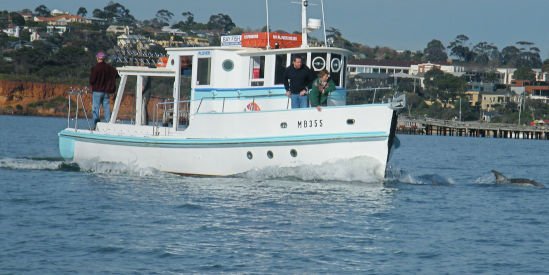
Whether you’re joining a guided tour or setting out on your own, careful planning is key to a successful experience. Research the best locations and seasons for the species you hope to see. In South Florida, for example, manatees, dolphins, and sea turtles are commonly observed, especially during warmer months. Booking with reputable operators who prioritize ethical practices ensures both your safety and the well-being of the animals.
If you’re looking to organize a trip, our resource on marine wildlife adventure planning provides step-by-step advice for choosing the right tour and preparing for your outing.
Don’t forget to pack essentials like sun protection, water, and snacks. Dress in layers, as conditions on the water can change quickly. And most importantly, bring patience—nature doesn’t operate on a schedule, but the reward of a genuine wildlife encounter is well worth the wait.
Tips for Enhancing Your Observation Skills
Improving your ability to spot marine animals takes practice and a keen eye for detail. Here are a few expert tips:
- Practice Peripheral Vision: Sometimes, movement is easier to detect out of the corner of your eye. Regularly sweep your gaze and trust your instincts if you sense something unusual.
- Learn Local Species: Familiarize yourself with the shapes, colors, and behaviors of animals common to your area. This knowledge helps you distinguish between a floating log and a resting sea turtle.
- Stay Patient: Wildlife watching is as much about waiting as it is about searching. Remain still and observant, and let the animals come to you.
For those interested in combining relaxation with wildlife viewing, consider exploring family friendly sightseeing cruises that offer a comfortable way to enjoy the scenery and spot animals along the way.
Frequently Asked Questions
What is the best time of day for observing marine wildlife?
Early mornings and late afternoons are generally the most productive times for spotting marine animals. These periods offer softer light and less boat traffic, making animals more likely to surface or approach shallow areas.
How can I increase my chances of seeing rare species?
Researching local migration patterns and seasonal behaviors is key. Joining tours led by experienced guides, who are familiar with the area and animal habits, also greatly improves your chances of encountering rare or elusive species.
Is it safe to observe marine animals from a kayak or small boat?
Yes, as long as you follow safety guidelines and maintain a respectful distance from wildlife. Smaller vessels allow for quieter and more intimate encounters but require extra caution to avoid startling animals or entering restricted zones.
How can I observe marine life responsibly?
Always follow ethical guidelines: keep your distance, avoid feeding animals, minimize noise, and respect local regulations. Choose tour operators who prioritize conservation and educate guests about responsible wildlife watching practices.
Conclusion
Mastering marine wildlife observation techniques is a rewarding pursuit for anyone interested in the ocean’s incredible biodiversity. By combining the right equipment, a solid understanding of animal behavior, and a commitment to ethical practices, you can enjoy unforgettable encounters while helping to protect these remarkable creatures for future generations. Whether you’re a seasoned observer or a curious beginner, every outing offers a new opportunity to learn, appreciate, and connect with the marine world.