

Embarking on a journey to observe animals in their natural habitats is both thrilling and rewarding. Planning a wildlife viewing excursion requires thoughtful preparation to ensure a safe, enjoyable, and eco-friendly experience. Whether you’re hoping to spot rare birds, marine mammals, or elusive forest creatures, a well-organized approach helps maximize sightings while minimizing your impact on the environment.
This guide covers essential steps for organizing your adventure, from choosing the right destination and gear to following responsible viewing practices. For those interested in exploring options in Florida, you might also find inspiration in nature based excursions in Palm Beach County, which offer a variety of wilderness trips tailored for wildlife enthusiasts.
Choosing the Right Destination for Your Wildlife Adventure
The first step in organizing a successful animal observation trip is selecting a location that matches your interests and skill level. Research regions known for abundant and diverse wildlife, considering factors like climate, accessibility, and the best seasons for sightings. National parks, wildlife refuges, and marine reserves are often excellent starting points.
For families or beginners, guided tours in protected areas can provide both safety and educational value. Those seeking more independent experiences may prefer remote trails or lesser-known reserves. Be sure to check local regulations and obtain any necessary permits in advance.
If you’re interested in marine life, educational marine tourism opportunities can offer unique chances to observe dolphins, sea turtles, and other ocean dwellers while learning about conservation efforts.
Essential Gear and Packing Tips
Proper equipment enhances your ability to observe animals without disturbing them. Binoculars are a must-have for most excursions, allowing you to spot birds and mammals from a respectful distance. A quality pair, like those from Celestron, can make a significant difference in your experience.
Other essentials include:
- Field guides or wildlife identification apps
- Weather-appropriate clothing and sturdy footwear
- Sun protection: hats, sunscreen, and polarized sunglasses to reduce glare
- Reusable water bottles and eco-friendly snacks
- Notebook or camera for documenting sightings
For more detailed advice on what to bring, consult this comprehensive packing guide for wildlife photography expeditions.

Eco-Friendly Practices for Responsible Wildlife Viewing
Respecting nature is at the heart of every sustainable animal observation trip. Adhering to ethical guidelines not only protects wildlife but also ensures these experiences remain available for future generations. Here are some key principles:
- Keep a safe and respectful distance from all animals
- Stay on designated trails to avoid disturbing habitats
- Minimize noise and sudden movements
- Never feed or attempt to touch wildlife
- Pack out all trash and leave no trace
For a deeper dive into best practices, see the article on how to enjoy wildlife viewing responsibly. Following these tips helps preserve the delicate balance of natural ecosystems.
Timing and Seasonal Considerations
Wildlife activity often varies by season, time of day, and even weather conditions. Research the optimal periods for observing your target species. Early mornings and late afternoons are typically the best times for animal activity, especially in warmer climates.
Some destinations offer special events, such as bird migrations or sea turtle nesting seasons. Planning your trip around these natural phenomena can greatly enhance your chances of memorable encounters.
Safety and Comfort During Your Trip
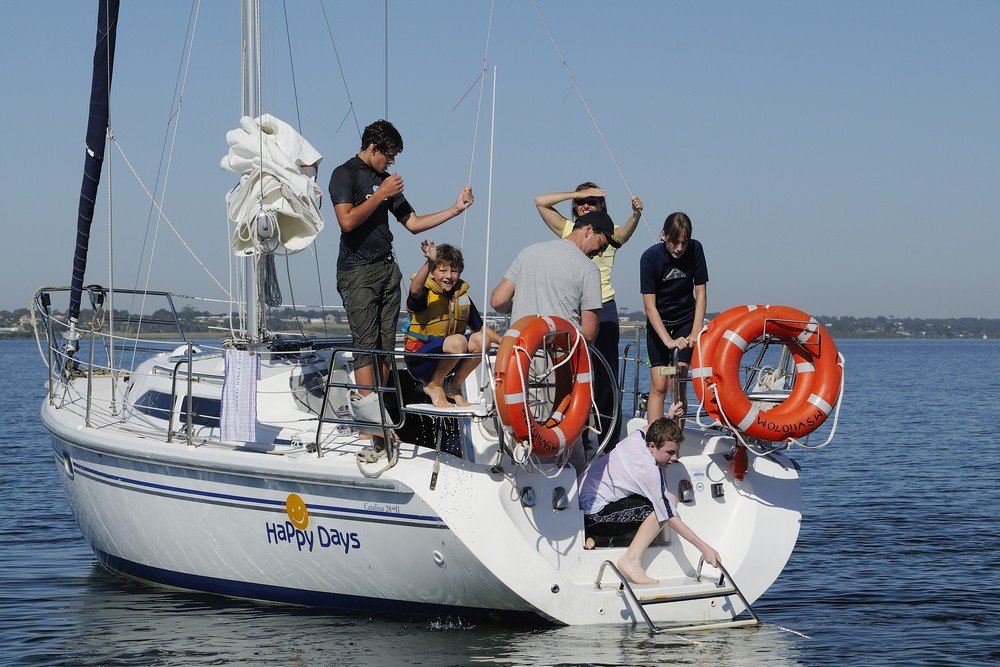
Ensuring your well-being is just as important as spotting animals. Always inform someone of your plans and expected return time, especially when venturing into remote areas. Carry a map, compass, or GPS device, and be prepared for changing weather conditions.
Bring insect repellent, a basic first aid kit, and any necessary medications. If traveling with children, consider age-appropriate activities and safety gear. For family-friendly options, check out family nature exploration ideas that make outdoor adventures enjoyable for all ages.
Making the Most of Your Wildlife Excursion
Patience and observation skills are key to a rewarding outing. Move slowly, scan your surroundings, and listen for animal calls or movements. Take time to appreciate the broader ecosystem, not just the headline species. Recording your observations can deepen your connection to nature and help track changes over time.
If you’re passionate about animal encounters, you may also enjoy reading about vacation activities for animal lovers for more ideas on immersive wildlife experiences.
Frequently Asked Questions
What is the best way to prepare for a wildlife viewing trip?
Start by researching your destination, target species, and the best times for sightings. Pack essential gear such as binoculars, field guides, and weather-appropriate clothing. Always review local regulations and ethical guidelines to ensure a safe and responsible experience.
How can I minimize my impact on the environment during my excursion?
Stick to established trails, keep a respectful distance from animals, avoid making loud noises, and never leave trash behind. Use reusable containers and avoid single-use plastics. Following eco-friendly practices helps protect habitats and wildlife populations.
Are guided tours better than self-guided trips for wildlife observation?
Guided tours offer expert knowledge, safety, and often better chances of spotting animals, especially for beginners. Self-guided trips provide more flexibility and independence but require thorough preparation and research. Choose the option that best fits your experience level and interests.