
Florida’s coastline is home to an incredible diversity of marine life, from gentle manatees and playful dolphins to nesting sea turtles and vibrant coral reefs. With so many rare and endangered creatures inhabiting these waters, respecting protected marine species is not just a matter of good stewardship—it’s the law. Whether you’re a resident, visitor, boater, or angler, understanding and following Florida’s wildlife regulations helps ensure these remarkable animals thrive for generations to come.
This guide explains key legal protections, practical tips for safe wildlife encounters, and how to enjoy Florida’s natural wonders responsibly. If you’re interested in learning more about ethical nature experiences, you might also find value in how to enjoy wildlife viewing responsibly, which covers eco-friendly practices for observing animals in their habitats.
Why Florida’s Marine Wildlife Needs Protection
The Sunshine State’s coastal waters are a vital refuge for many species that are threatened or endangered. Human activities—like boating, fishing, and shoreline development—can unintentionally harm these animals or their habitats. Laws and regulations exist to minimize these impacts and give marine life the best chance to recover and flourish.
- Manatees are especially vulnerable to boat strikes and habitat loss.
- Sea turtles face threats from artificial lighting, beach traffic, and discarded fishing gear.
- Dolphins and whales can become entangled in nets or injured by vessels.
- Coral reefs are sensitive to pollution, anchor damage, and physical contact.
By following Florida’s wildlife laws and respecting protected marine species, everyone can play a role in preserving these unique ecosystems.
Key Laws for Protecting Marine Species in Florida
Florida enforces a range of state and federal laws designed to safeguard marine animals and their habitats. Here are some of the most important regulations to know:
| Species/Group | Key Protections | Penalties for Violations |
|---|---|---|
| Manatees | No harassment, feeding, or touching; slow-speed zones for boats | Fines up to $50,000 and/or jail time |
| Sea Turtles | No disturbing nests or hatchlings; avoid artificial lights on beaches | Fines and potential imprisonment |
| Dolphins & Whales | No feeding, chasing, or approaching within 50 yards | Fines up to $100,000 and/or jail time |
| Coral Reefs | No collecting, breaking, or anchoring on reefs | Fines and restoration costs |
These rules are enforced by agencies such as the Florida Fish and Wildlife Conservation Commission (FWC), the National Oceanic and Atmospheric Administration (NOAA), and local law enforcement. Ignorance of the law is not a defense—so it’s essential to stay informed and vigilant.
Best Practices for Respecting Protected Marine Species
Whether you’re on a boat, at the beach, or snorkeling near a reef, there are simple steps you can take to minimize your impact and comply with regulations.
- Maintain a safe distance: Observe wildlife from afar using binoculars or zoom lenses. Never attempt to touch, feed, or chase marine animals.
- Follow posted signs and speed zones: Many areas have special rules to protect manatees, sea turtles, and nesting birds. Obey all markers and advisories.
- Keep beaches clean: Remove all trash, fill in holes, and avoid disturbing marked turtle nests or shorebird roosts.
- Anchor responsibly: Use mooring buoys where available and never drop anchor on coral reefs or seagrass beds.
- Use wildlife-safe lighting: If you’re near the beach at night, use red or amber lights to avoid disorienting hatchling turtles.
For those new to boating, reviewing essential boating safety tips can help you avoid accidental harm to marine life and stay compliant with local laws.
How to Identify and Avoid Disturbing Endangered Species
Recognizing which animals are protected and knowing how to spot their presence can help you avoid unintentional violations. Here are some tips:
- Manatees: Look for “manatee zones” and slow-moving shapes near the water’s surface, especially in warm, shallow areas.
- Sea Turtles: Nesting season runs from March through October. Watch for marked nests and avoid walking on dunes or disturbing hatchlings.
- Dolphins and Whales: If you see a pod or spout, reduce speed and keep a respectful distance. Never encircle or pursue these animals.
- Coral Reefs: Reefs often appear as colorful, rocky outcrops beneath the surface. Avoid anchoring or standing on them.
If you accidentally encounter a protected animal or find one in distress, contact the FWC Wildlife Alert Hotline (888-404-FWCC) for guidance.
Enjoying Florida’s Marine Life Responsibly
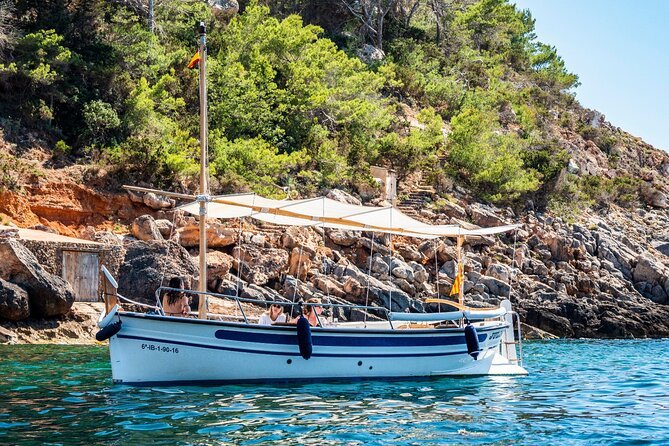
There are countless ways to appreciate Florida’s marine biodiversity while supporting conservation. Consider joining guided eco-tours, visiting educational outdoor attractions, or exploring hidden coastal gems where you can observe wildlife in a natural setting. Many local organizations offer volunteer opportunities for beach cleanups, turtle monitoring, and habitat restoration.
If you’re planning a family outing, check out the best outdoor learning experiences in Florida for hands-on nature science and fun. These activities not only foster a deeper appreciation for marine life but also teach the next generation about the importance of conservation.
Remember, every action—no matter how small—can make a difference. By staying informed, following the rules, and spreading awareness, you help ensure Florida’s coastal treasures remain vibrant and healthy.
Frequently Asked Questions
What should I do if I see someone harassing marine wildlife?
If you witness harassment or illegal activity involving protected species, report it immediately to the FWC Wildlife Alert Hotline at 888-404-FWCC. Provide as much detail as possible, including location, time, and a description of the incident.
Are there specific times of year when extra caution is needed?
Yes, nesting season for sea turtles (March–October) and manatee migration periods (winter months) require extra vigilance. During these times, follow all posted advisories, avoid marked nesting areas, and reduce boat speed in designated zones.
Can I take shells, coral, or sand from Florida beaches?
While collecting empty shells is generally allowed in small quantities, removing live animals, coral, or large amounts of sand is prohibited. Always check local regulations before collecting anything, and never disturb living organisms or their habitats.
Conclusion: Protecting Florida’s Marine Heritage
Florida’s marine environments are among the most beautiful and ecologically significant in the world. By respecting protected marine species and following state and federal regulations, you help safeguard these wonders for future generations. Whether you’re boating, fishing, swimming, or simply enjoying the view, your choices matter. Stay informed, act responsibly, and encourage others to do the same—together, we can ensure that Florida’s wildlife continues to inspire and amaze.