
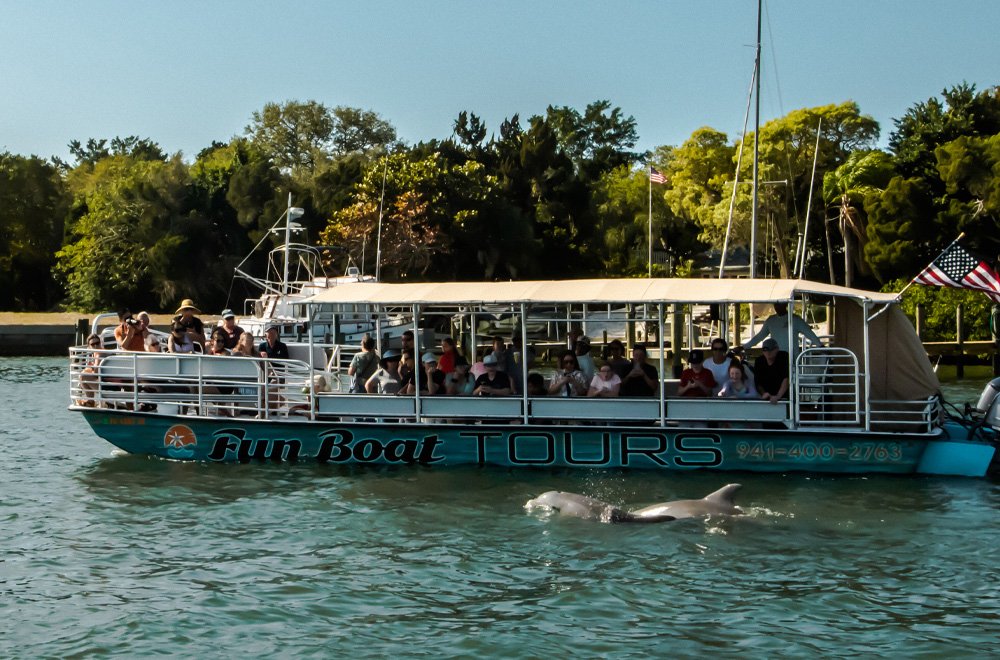
Florida’s coastline is home to a complex and dynamic web of marine life. From the mighty sharks and dolphins that patrol the open waters to the tiny plankton drifting near the surface, every organism plays a role in maintaining the balance of this vibrant ecosystem. Gaining insight into Florida’s coastal food chain is essential for anyone interested in marine biology, wildlife tourism, or simply appreciating the natural wonders of the Sunshine State.
Whether you’re a local, a visitor, or a nature enthusiast planning your next adventure, understanding how energy flows from prey to predator along the coast can deepen your appreciation for the region’s biodiversity. If you’re looking for immersive experiences, exploring nature based excursions in Palm Beach County offers a firsthand look at these intricate relationships in action.
The Structure of Florida’s Marine Food Web
The marine food web along Florida’s coast is a layered system where energy is transferred from one group of organisms to another. At the base are the primary producers, such as phytoplankton and seagrasses, which convert sunlight into energy through photosynthesis. These producers support a wide range of herbivores and filter feeders, which in turn become food for larger predators.
This intricate network is not linear but rather a web, with many species feeding at multiple levels. Disruptions at any tier can ripple throughout the ecosystem, highlighting the importance of every organism, from the smallest shrimp to the largest shark.
Primary Producers: The Foundation of Coastal Life
At the very bottom of the food chain are the primary producers. In Florida’s coastal waters, these include:
- Phytoplankton: Microscopic plants that float in the water and form the basis of most marine food webs.
- Seagrasses: Underwater meadows that provide food and shelter for countless marine species.
- Algae: Both microscopic and larger forms, algae are crucial for oxygen production and as a food source.
These organisms are consumed by small herbivores and filter feeders, setting the stage for the next level of the food web.
Herbivores and Filter Feeders: Vital Links in the Chain
Animals that feed directly on primary producers are essential for transferring energy up the food web. Common examples in Florida’s coastal habitats include:
- Manatees: These gentle giants graze on seagrasses and play a role in maintaining healthy underwater meadows.
- Mollusks: Oysters, clams, and mussels filter plankton from the water, helping to keep it clear and healthy.
- Small Crustaceans: Shrimp and amphipods feed on algae and detritus, supporting a wide range of predators.

Small Fish and Invertebrates: The Middle Tiers
Occupying the middle levels of the food web are a diverse array of small fish and invertebrates. These creatures are both predators and prey, feeding on plankton, algae, and smaller animals while providing nourishment for larger species. Notable examples include:
- Pinfish: Common in seagrass beds, they consume algae and small invertebrates.
- Mullet: These fish graze on detritus and algae, forming large schools that attract predators.
- Blue crabs: Omnivorous scavengers that eat both plant and animal matter.
These species are critical for supporting larger fish, birds, and marine mammals, acting as a bridge between the lower and upper levels of the food web.
Predatory Fish and Marine Birds: The Hunters
Florida’s coastal waters are teeming with predatory fish such as snook, tarpon, and redfish. These hunters feed on smaller fish, crustaceans, and mollusks, keeping populations in balance. Marine birds, including ospreys, pelicans, and herons, also play a significant role by preying on fish and invertebrates.
Observing these predators in action is a highlight for many wildlife enthusiasts. For those interested in responsible wildlife viewing, it’s important to follow guidelines for enjoying wildlife viewing responsibly to minimize disturbance to these vital species.
Apex Predators: Guardians of Balance
At the top of the food web are the apex predators. These include sharks, dolphins, and large birds of prey. Their presence is vital for controlling populations of other species and ensuring the health of the entire ecosystem. For example:
- Sharks: These iconic predators feed on fish, rays, and even other sharks, preventing any one species from dominating.
- Dolphins: Intelligent hunters that feed on fish and squid, dolphins help maintain balance among mid-level predators.
- Ospreys and Bald Eagles: These raptors prey on fish, keeping populations in check.
Without these top predators, the entire food web could become unbalanced, leading to overpopulation of certain species and the decline of others.
Human Impacts and Conservation Efforts
Human activities have a significant effect on Florida’s coastal ecosystems. Overfishing, habitat destruction, pollution, and climate change all threaten the delicate balance of the food web. Conservation efforts are crucial to protect both the apex predators and the prey species that support them.
Participating in educational marine tourism opportunities can help raise awareness about the importance of preserving these habitats. Responsible tourism, adherence to fishing regulations, and supporting conservation initiatives all contribute to the long-term health of Florida’s coastal food web.
Exploring the Food Chain: Tips for Observers
For those eager to witness the coastal food web in action, Florida offers countless opportunities. Consider these tips for a rewarding experience:
- Join a guided wildlife cruise or eco-tour. For advice on planning, check out this comprehensive guide to planning a wildlife cruise.
- Bring binoculars and polarized sunglasses to enhance your view of marine life.
- Visit estuaries, mangroves, and seagrass beds, which are hotspots for biodiversity.
- Practice ethical wildlife viewing by keeping a respectful distance and not feeding animals.
Families can also find inspiration in family nature exploration ideas that make learning about marine life fun and accessible for kids.
Why Understanding the Coastal Food Web Matters
Appreciating the interconnectedness of Florida’s marine life is more than an academic exercise. It’s a reminder that every organism, no matter how small, plays a part in sustaining the health of the ecosystem. By learning about the flow of energy from producers to apex predators, we become better stewards of the environment and can make informed decisions that benefit both wildlife and future generations.
For animal lovers seeking memorable experiences, there are plenty of vacation activities for animal lovers that highlight the wonders of Florida’s coastal habitats.
Frequently Asked Questions
What are the main levels of Florida’s coastal food web?
The food web is structured in several tiers: primary producers (like phytoplankton and seagrasses), herbivores and filter feeders (such as manatees and mollusks), small fish and invertebrates, predatory fish and birds, and apex predators (including sharks and dolphins). Each level depends on the one below it for energy and nutrients.
How do apex predators benefit the ecosystem?
Apex predators control populations of other species, preventing imbalances that could harm the ecosystem. Their presence ensures biodiversity and the stability of the food web.
What can individuals do to help protect Florida’s coastal food chain?
People can support conservation by following fishing regulations, participating in responsible tourism, reducing pollution, and educating themselves about marine ecosystems. Joining eco-tours and supporting organizations that protect coastal habitats also make a positive impact.