
Exploring the world’s waterways offers a unique opportunity to connect with nature while supporting conservation and local communities. Water based ecotourism adventures are gaining popularity among travelers seeking meaningful, low-impact experiences. Whether you’re gliding through mangroves, spotting dolphins along the coast, or learning about marine life from expert guides, these excursions combine adventure with environmental responsibility.
Choosing sustainable boat tours means your journey leaves a positive mark, not just on your memory, but on the ecosystems you visit. In this guide, you’ll discover what makes these trips eco-friendly, how to select responsible operators, and tips for making the most of your time on the water.
If you’re interested in exploring more eco-friendly activities, check out these nature based excursions in Palm Beach County for additional ideas on connecting with the outdoors responsibly.
What Are Water-Based Ecotourism Adventures?
These experiences involve guided excursions on rivers, lakes, estuaries, or coastal waters, designed to showcase natural habitats and wildlife. Unlike traditional boat tours, the focus is on education, conservation, and minimizing environmental impact. Activities can include:
- Wildlife watching (dolphins, manatees, seabirds, etc.)
- Kayaking or canoeing through protected areas
- Snorkeling or diving with marine biologists
- Participating in citizen science projects
- Learning about local ecosystems and conservation efforts
Operators often work closely with environmental organizations, use eco-friendly vessels, and adhere to strict wildlife viewing guidelines.
How Sustainable Boat Tours Support Conservation
Responsible water tours play a crucial role in protecting fragile aquatic environments. Here’s how:
- Education: Guides share knowledge about local species, habitats, and conservation challenges, inspiring guests to become stewards of the environment.
- Low-impact practices: Many tours use electric or solar-powered boats, avoid sensitive areas, and follow best practices for wildlife encounters.
- Community benefits: By hiring local guides and sourcing supplies locally, these tours support regional economies and encourage sustainable livelihoods.
- Funding conservation: A portion of proceeds often goes to habitat restoration, research, or community projects.
For those interested in learning more about ethical wildlife observation, you can read about how to enjoy wildlife viewing responsibly and adopt best practices during your next adventure.
Types of Water-Based Ecotourism Experiences
There’s a wide variety of aquatic eco-adventures to suit different interests and fitness levels. Here are some popular options:
Wildlife Cruises and Sightseeing Tours
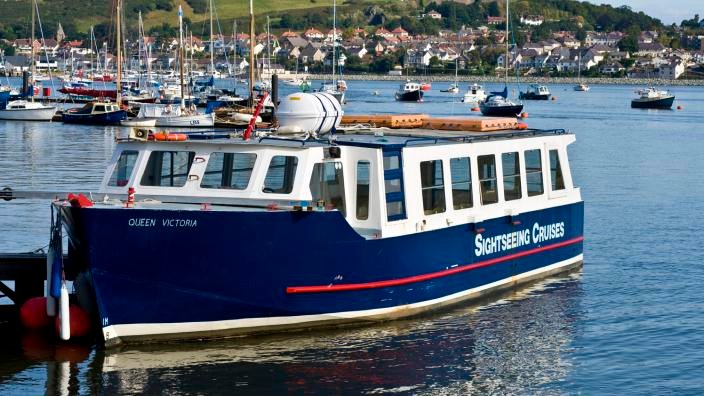
Guided boat trips offer a chance to observe dolphins, whales, manatees, and seabirds in their natural habitats. These tours often include commentary from naturalists and may use hydrophones to listen to marine mammals underwater.
Kayaking and Canoeing Eco-Tours
Paddling through mangroves, estuaries, or calm coastal waters allows for a closer look at wildlife and plant life. These trips are often led by guides who point out interesting species and explain the importance of the ecosystem.
Snorkeling and Marine Science Excursions
Some tours combine snorkeling or diving with marine education, giving participants a hands-on experience with coral reefs, seagrass beds, or kelp forests. These outings may include opportunities to assist with data collection or reef monitoring.
Choosing a Responsible Water Tour Operator
Not all boat tours are created equal. To ensure your adventure aligns with your values, consider these tips:
- Look for certifications from reputable organizations (such as Green Globe or Blue Flag).
- Ask about the operator’s environmental policies and wildlife viewing guidelines.
- Choose tours that limit group size and avoid overcrowding sensitive areas.
- Support companies that invest in local communities and conservation projects.
- Read reviews and seek recommendations from trusted sources or conservation groups.
For families, there are also plenty of family nature exploration ideas that combine fun with environmental learning, both on and off the water.
Essential Gear for Your Aquatic Eco-Adventure
Preparing for a day on the water helps ensure a comfortable and enjoyable experience. Here’s what to bring:
- Polarized sunglasses to reduce glare and protect your eyes
- Binoculars for spotting distant wildlife
- Reef-safe sunscreen and a hat for sun protection
- Reusable water bottle to stay hydrated
- Quick-dry clothing and a light rain jacket
- Waterproof bag for electronics and valuables
Many eco-tour operators provide some equipment, but checking in advance is always a good idea.
Safety and Best Practices on the Water
Staying safe is essential for a positive experience. Here are some key tips:
- Listen carefully to your guide’s safety briefing.
- Wear a life jacket when required.
- Keep a respectful distance from wildlife—never attempt to touch or feed animals.
- Follow all posted rules and local regulations.
- Dispose of trash properly and avoid bringing single-use plastics.
For additional safety information, review these boating safety tips for new water adventurers before heading out.
Making the Most of Your Eco-Friendly Boat Tour
To get the most out of your trip, consider these suggestions:
- Ask questions—guides are passionate about sharing their knowledge.
- Bring a field notebook to jot down interesting observations.
- Share your experience with friends and family to inspire others.
- Support local conservation efforts through donations or volunteering.
- Consider joining educational marine tourism opportunities to deepen your understanding of marine science and stewardship.
By choosing responsible tours and practicing good stewardship, you help ensure that these natural wonders remain for future generations to enjoy.
Frequently Asked Questions
What makes a boat tour eco-friendly?
An eco-friendly boat tour uses sustainable practices such as low-emission or electric boats, follows strict wildlife viewing guidelines, educates guests about conservation, and supports local communities and habitats.
How can I tell if a tour operator is truly sustainable?
Look for third-party certifications, transparent environmental policies, small group sizes, and a commitment to conservation. Reading reviews and asking questions about their practices can also help you make an informed choice.
Is water-based ecotourism suitable for families with children?
Yes, many tours are designed for all ages and provide educational, hands-on experiences that are both fun and safe. Always check with the operator about age requirements and recommended activities for kids.
What should I bring on a sustainable boat tour?
Essentials include sun protection, reusable water bottles, binoculars, polarized sunglasses, quick-dry clothing, and a waterproof bag. Some operators provide gear, so confirm what’s included when booking.