
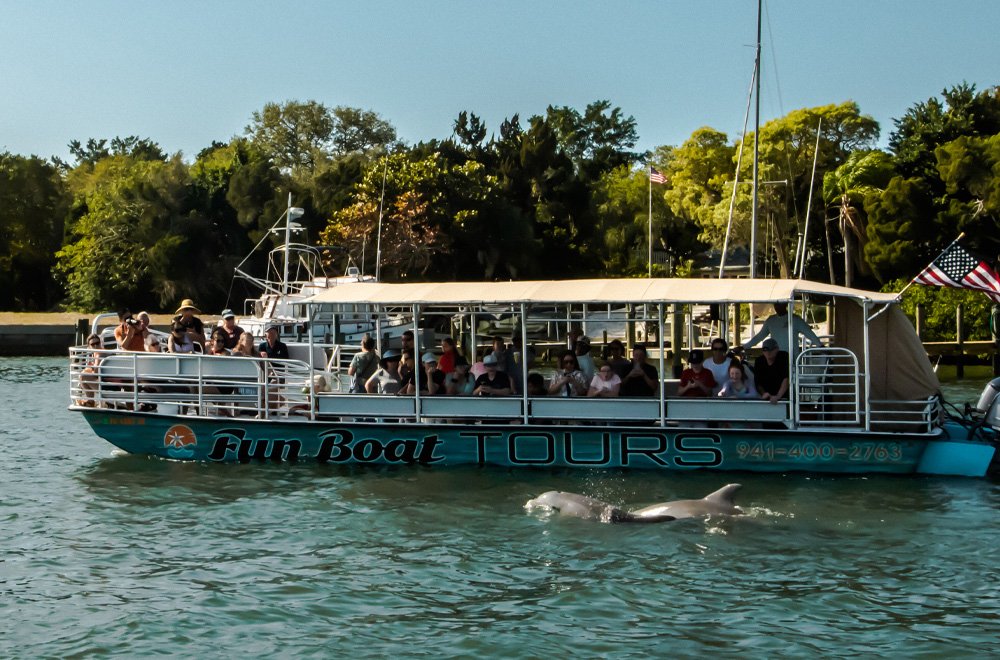
Exploring the ocean from a boat offers a unique vantage point for observing marine animals in their natural environment. Whether you’re a seasoned wildlife enthusiast or a first-time adventurer, a boat based wildlife observation guide can help you make the most of your time on the water. From dolphins and manatees to seabirds and turtles, the diversity of life you can witness is truly remarkable. This article provides practical tips, essential gear recommendations, and ethical guidelines to ensure your experience is both rewarding and respectful to the creatures you encounter.
For those seeking even more immersive outdoor adventures, check out nature based excursions in Palm Beach County for additional inspiration on exploring Florida’s wild side.
Why Choose a Boat for Wildlife Watching?
Observing animals from a vessel allows you to access habitats that are often unreachable by land. Boats can quietly approach sandbars, mangroves, reefs, and open water, giving you the chance to spot elusive species. The gentle movement of the boat and the ability to cover more ground also increase your chances of encountering a variety of marine creatures. Compared to shoreline viewing, being on the water offers a more intimate and dynamic perspective on ocean life.
Essential Gear for Marine Life Spotting
Having the right equipment can make a significant difference in your wildlife observation experience. Here are some must-have items for any boat based wildlife observation guide:
- Binoculars: A quality pair of binoculars helps you spot distant animals without disturbing them. Waterproof and fog-proof models are best suited for marine environments.
- Polarized Sunglasses: These reduce glare on the water, making it easier to see beneath the surface and spot animals like dolphins or sea turtles.
- Camera with Zoom Lens: Capture memorable moments without getting too close to the wildlife.
- Field Guides: Bring along a marine life identification book or app to help you recognize different species.
- Sun Protection: Sunscreen, hats, and lightweight clothing are essential for long hours in the sun.

Best Practices for Ethical Wildlife Viewing
Responsible observation is crucial for protecting marine animals and their habitats. Following ethical guidelines ensures that your presence does not disturb or harm the creatures you are there to enjoy. Here are some key principles:
- Keep a Safe Distance: Never chase or encircle animals. Use binoculars or zoom lenses to observe from afar.
- Minimize Noise: Keep voices low and avoid sudden movements that could startle wildlife.
- Do Not Feed Animals: Feeding disrupts natural behaviors and can be harmful to marine life.
- Follow Local Regulations: Some areas have specific rules for boaters to protect sensitive species. Always comply with posted signs and guidance from local authorities.
- Leave No Trace: Take all trash with you and avoid disturbing plants or habitats.
For more tips on eco-friendly practices, see this comprehensive guide on how to enjoy wildlife viewing responsibly.
Top Marine Species to Watch For
Depending on your location and the season, you may encounter a wide range of ocean dwellers. Here are some of the most sought-after species for boat-based wildlife enthusiasts:
- Dolphins: Playful and social, dolphins are often seen riding boat wakes or leaping near the surface.
- Manatees: These gentle giants are commonly found in warm, shallow waters, especially in Florida.
- Sea Turtles: Look for their heads bobbing above the water or their silhouettes gliding below the surface.
- Seabirds: Gulls, pelicans, terns, and ospreys can be spotted diving for fish or soaring overhead.
- Rays and Sharks: In clear, calm conditions, you may glimpse rays gliding or sharks cruising near reefs and sandbars.
Planning Your Ocean Adventure
Preparation is key to a successful day on the water. Here are some steps to help you get ready:
- Research Local Wildlife: Learn about the species you might encounter and the best times of year to see them.
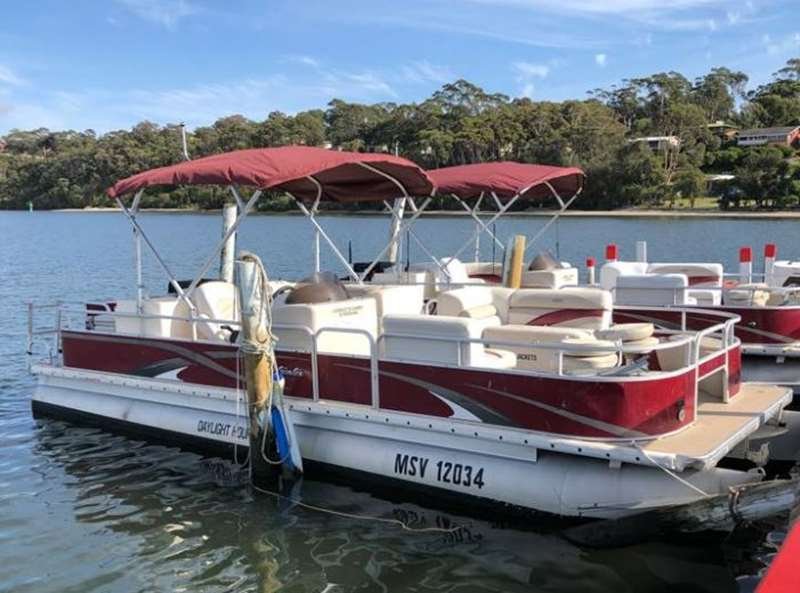
- Choose the Right Tour or Charter: Opt for operators who prioritize conservation and follow ethical guidelines.
- Check Weather and Tides: Calm, clear days are ideal for spotting marine animals. Early mornings or late afternoons often offer the best light and activity.
- Pack Essentials: Bring water, snacks, sun protection, and all observation gear.
- Review Safety Procedures: Listen to your captain’s instructions and always wear a life jacket when required.
For more detailed trip planning advice, see this helpful article on how to plan a wildlife cruise.
Tips for Enhancing Your Observation Experience
To make the most of your time on the water, keep these practical tips in mind:
- Scan the Horizon: Move your gaze slowly from side to side and look for splashes, fins, or unusual shapes.
- Listen Carefully: Sometimes you’ll hear a dolphin’s blow or a manatee’s snort before you see them.
- Be Patient: Wildlife sightings are never guaranteed. Enjoy the scenery and stay alert for surprises.
- Record Your Sightings: Keep a log or take photos to document the animals you observe.
- Share the Experience: Bring friends or family along for a memorable group adventure. For families, there are plenty of family nature exploration ideas to enhance your outing.
Learning Opportunities on the Water
Many boat tours offer educational commentary about marine ecosystems, conservation efforts, and the behaviors of the animals you encounter. Participating in these tours can deepen your understanding and appreciation of the ocean’s inhabitants. If you’re interested in combining fun with learning, explore educational marine tourism opportunities for hands-on science experiences and guided wildlife excursions.
Frequently Asked Questions
What is the best time of year for boat-based wildlife viewing?
The optimal season depends on your location and the species you hope to see. In many coastal regions, spring and summer offer abundant sightings of dolphins, seabirds, and turtles. Research local migration patterns and consult with tour operators for the best timing.
How close can I get to marine animals while observing from a boat?
Always maintain a respectful distance. Use binoculars or cameras with zoom lenses to observe animals without disturbing them. Many regions have specific guidelines—such as staying at least 50 yards from dolphins or manatees—to protect wildlife.
Are there eco-friendly boat tours available?
Yes, many operators prioritize sustainability and responsible wildlife viewing. Look for tours that follow ethical guidelines, use eco-friendly boats, and educate guests about marine conservation. You can also find more ideas for vacation activities for animal lovers that support wildlife protection.