

Coastal regions offer some of the world’s most vibrant ecosystems and breathtaking scenery. For those interested in planning a coastal eco adventure, the process involves more than just picking a destination. It’s about making responsible choices that protect fragile environments, support local communities, and ensure a memorable, low-impact experience. This guide provides a practical, step-by-step approach to organizing a sustainable trip along the coast—whether you’re a first-time explorer or a seasoned nature enthusiast.
From choosing eco-friendly activities to packing the right gear, each decision shapes the impact you’ll have on the places you visit. By following thoughtful practices, you can enjoy marine wildlife, pristine beaches, and unique cultures while helping to preserve them for future generations.
For those interested in exploring more local options, consider reading about nature based excursions in Palm Beach County to discover unique wilderness trips in Florida.
Why Choose a Sustainable Approach for Your Coastal Trip?
Coastal environments are home to diverse wildlife, sensitive habitats, and communities that depend on healthy ecosystems. Taking a sustainable approach when organizing your journey helps minimize negative impacts such as pollution, habitat destruction, and wildlife disturbance. By prioritizing eco-friendly choices, you not only protect these areas but also enrich your own experience through authentic connections and responsible discovery.
Step 1: Research Destinations and Local Guidelines
Start by identifying coastal areas known for their natural beauty and conservation efforts. Look for destinations with established eco-tourism programs, marine protected areas, or community-led conservation initiatives. Check for any seasonal restrictions, local regulations, or permits required for activities like snorkeling, kayaking, or wildlife viewing.
- Visit official tourism websites and conservation organizations for up-to-date information.
- Review recent traveler feedback to ensure your chosen area is managed sustainably.
- Familiarize yourself with local customs and environmental guidelines to show respect for both nature and residents.
Step 2: Select Responsible Activities and Operators
When planning a coastal eco adventure, the activities you choose play a major role in your environmental footprint. Opt for experiences that promote education, conservation, and minimal disturbance to wildlife. Guided tours led by certified naturalists or local experts often provide deeper insight and ensure best practices are followed.
- Choose wildlife watching tours that follow strict ethical guidelines. For more on this, see our guide on how to enjoy wildlife viewing responsibly.
- Support businesses that are locally owned, use renewable energy, or have eco-certifications.
- Participate in conservation activities such as beach cleanups or citizen science projects.
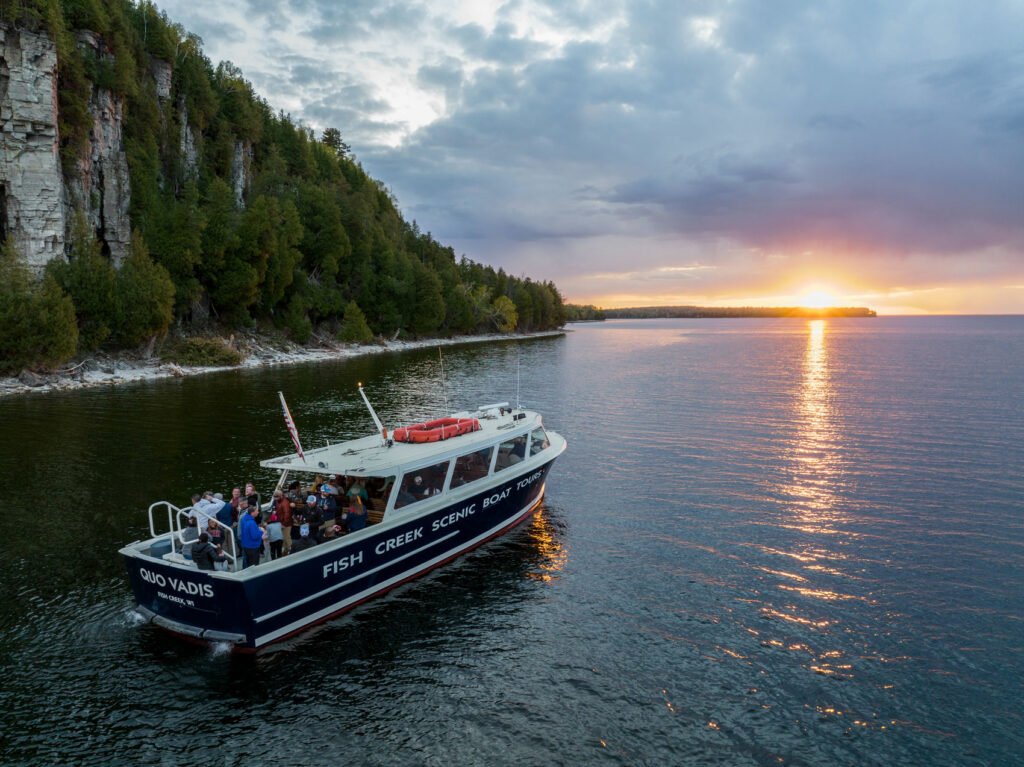
Step 3: Pack Eco-Friendly Essentials
Thoughtful packing is essential for a low-impact journey. Bring reusable items to reduce single-use plastics and select gear that supports your activities without harming the environment. For a detailed list of must-have items, check out this comprehensive guide to wildlife trip essentials.
- Reusable water bottles, utensils, and food containers
- Biodegradable sunscreen and insect repellent
- Quick-dry clothing made from recycled or organic materials
- Field guides, binoculars, and polarized sunglasses for wildlife observation
Step 4: Practice Leave No Trace Principles
Following Leave No Trace principles is crucial when exploring beaches, dunes, and marine environments. Always pack out what you bring in, avoid disturbing wildlife, and stay on designated trails or boardwalks. If you encounter marine life, observe from a respectful distance and never feed or touch animals.
- Dispose of waste properly and recycle when possible.
- Use established campsites and avoid trampling vegetation.
- Educate fellow travelers about responsible behavior.

Step 5: Support Local Communities and Conservation
Responsible travel means giving back to the places you visit. Choose accommodations, restaurants, and tour operators that employ local people and invest in community projects. Purchasing locally made goods and participating in cultural experiences can help sustain traditional livelihoods and foster mutual respect.
- Stay in eco-lodges or guesthouses with green certifications.
- Eat at restaurants that source ingredients locally and sustainably.
- Engage with community-led tours or workshops to learn about regional traditions.
Step 6: Learn and Share Your Experience
Education is a key part of any sustainable journey. Take time to learn about the ecosystems, species, and conservation challenges of the area. Share your knowledge and experiences with others to inspire more responsible travel. For those interested in combining learning with adventure, explore educational marine tourism opportunities that offer hands-on ocean science tours.
- Document your trip and highlight eco-friendly practices on social media.
- Encourage friends and family to adopt sustainable habits.
- Support ongoing conservation efforts through donations or volunteering.
Tips for Families and Animal Lovers
Traveling with children or animal enthusiasts? Coastal eco adventures can be tailored for all ages. Look for guided nature walks, junior ranger programs, or interactive exhibits that make learning fun. For more inspiration, browse these family nature exploration ideas and vacation activities for animal lovers to find suitable options for your group.
Frequently Asked Questions
What are the best times of year for a sustainable coastal trip?
The ideal season depends on your destination and interests. Many coastal regions have peak wildlife viewing periods, such as sea turtle nesting or bird migrations. Traveling during shoulder seasons can reduce crowding and environmental pressure while offering unique experiences.
How can I minimize my environmental impact while traveling?
Stick to established paths, avoid single-use plastics, and choose eco-certified operators. Respect wildlife by observing from a distance and never removing shells, plants, or animals from their habitats. Supporting local businesses and following Leave No Trace principles further reduces your footprint.
What gear is essential for a responsible coastal adventure?
Bring reusable water bottles, biodegradable sunscreen, and weather-appropriate clothing. Binoculars and polarized sunglasses enhance wildlife viewing without disturbance. For a full checklist, refer to guides on wildlife trip essentials.
Are there eco-friendly options for guided tours and accommodations?
Yes, many tour operators and hotels now offer eco-certifications or participate in sustainability programs. Look for businesses that use renewable energy, minimize waste, and actively support conservation. Reading recent reviews and checking for recognized certifications can help you make informed choices.
By following these steps and making thoughtful decisions, your coastal journey can be both rewarding and sustainable. Every action counts—whether you’re exploring new shores or revisiting favorite spots, responsible travel ensures that these natural treasures remain vibrant for generations to come.