

Florida’s shoreline is a tapestry of vibrant habitats, teeming with unique wildlife and natural wonders. For those passionate about nature, discovering Florida’s coastal ecosystems offers a chance to experience some of the most diverse and dynamic environments in North America. From lush mangroves and seagrass meadows to sprawling estuaries and sandy dunes, each region along the coast reveals its own story and ecological significance.
Whether you’re an avid birder, a marine life enthusiast, or simply seeking tranquil landscapes, exploring these coastal treasures provides endless opportunities for adventure and learning. Early planning and responsible exploration are key to making the most of your journey. For those interested in expanding their outdoor experiences, nature based excursions in Palm Beach County offer additional inspiration for immersive wilderness trips nearby.
Understanding the Diversity of Florida’s Coastal Habitats
The coastline of Florida stretches for over 1,300 miles, encompassing a remarkable variety of ecosystems. These habitats are shaped by a mix of saltwater and freshwater influences, climate variations, and the constant movement of tides and currents. Some of the most prominent environments you’ll encounter include:
- Mangrove forests: Acting as natural buffers against storms, mangroves provide shelter for juvenile fish, crustaceans, and countless bird species.
- Salt marshes: These grassy wetlands filter water and support a rich web of life, from wading birds to fiddler crabs.
- Seagrass beds: Underwater meadows that serve as nurseries for sea turtles, manatees, and a variety of fish.
- Barrier islands and dunes: Sandy stretches that protect the mainland and offer nesting grounds for shorebirds and sea turtles.
- Estuaries: Where rivers meet the sea, creating brackish environments full of nutrients and biodiversity.
Each of these habitats plays a vital role in maintaining the health of Florida’s coastline. By learning about their functions and the species they support, visitors gain a deeper appreciation for the region’s ecological richness.
Top Spots for Exploring Coastal Ecosystems in Florida
For those eager to immerse themselves in the natural beauty of the Sunshine State, several destinations stand out for their accessibility and ecological significance. Here are a few must-visit locations for observing Florida’s coastal environments up close:
- Everglades National Park: Famous for its vast wetlands, this UNESCO World Heritage Site is home to mangrove tunnels, sawgrass marshes, and a stunning array of wildlife.
- Florida Keys National Marine Sanctuary: Stretching from Key Largo to the Dry Tortugas, this protected area boasts coral reefs, seagrass beds, and crystal-clear waters ideal for snorkeling and diving.
- Canaveral National Seashore: Featuring pristine beaches, dunes, and lagoons, this area is a haven for sea turtles and migratory birds.
- Ten Thousand Islands: Located along the Gulf Coast, this maze of mangroves and waterways is perfect for kayaking and wildlife viewing.
- Guana Tolomato Matanzas National Estuarine Research Reserve: Near St. Augustine, this reserve highlights the importance of estuaries in coastal ecology.
Each site offers unique opportunities for recreation and education, whether you prefer hiking, paddling, birdwatching, or simply enjoying the scenery.
Wildlife Encounters Along the Coast
One of the most rewarding aspects of venturing into Florida’s coastal regions is the chance to observe an incredible variety of animals in their natural habitats. From the gentle manatee gliding through seagrass beds to the vibrant roseate spoonbill wading in the shallows, each encounter is a reminder of the delicate balance that sustains these ecosystems.
Common wildlife sightings include:
- Manatees: Often found in warm, shallow waters, especially during winter months.
- Dolphins: Playful pods are frequently spotted near estuaries and inlets.
- Sea turtles: Several species nest on Florida’s beaches from spring through summer.
- Wading birds: Herons, egrets, and ibises are abundant in marshes and mangroves.
- Ospreys and bald eagles: These raptors nest along the coast and hunt for fish in open waters.
For those interested in responsible wildlife viewing, it’s important to maintain a respectful distance and avoid disturbing animals. For more tips on ethical observation, see our guide on how to enjoy wildlife viewing responsibly.
Best Practices for Responsible Exploration
As interest in discovering Florida’s coastal ecosystems grows, so does the need for sustainable travel habits. Here are some practical guidelines to help protect these fragile environments while enjoying their beauty:
- Stay on designated trails and boardwalks to prevent erosion and habitat damage.
- Pack out all trash and minimize the use of single-use plastics.
- Observe wildlife quietly and from a distance, using binoculars or zoom lenses.
- Follow local regulations regarding fishing, boating, and collecting shells or plants.
- Support conservation efforts by visiting parks and reserves that invest in habitat restoration.
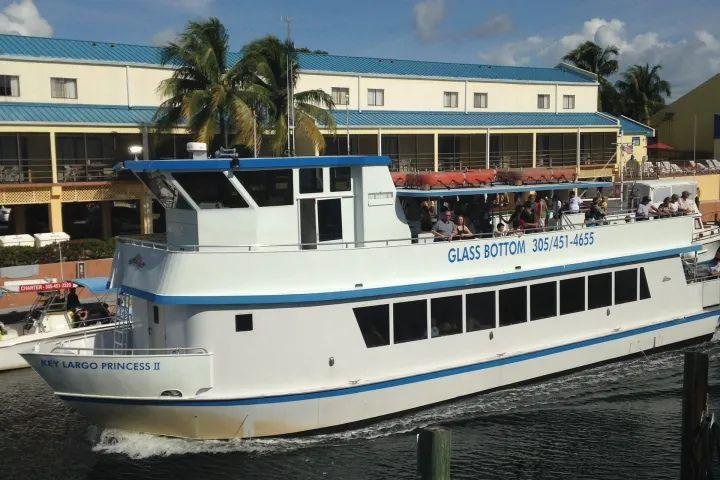
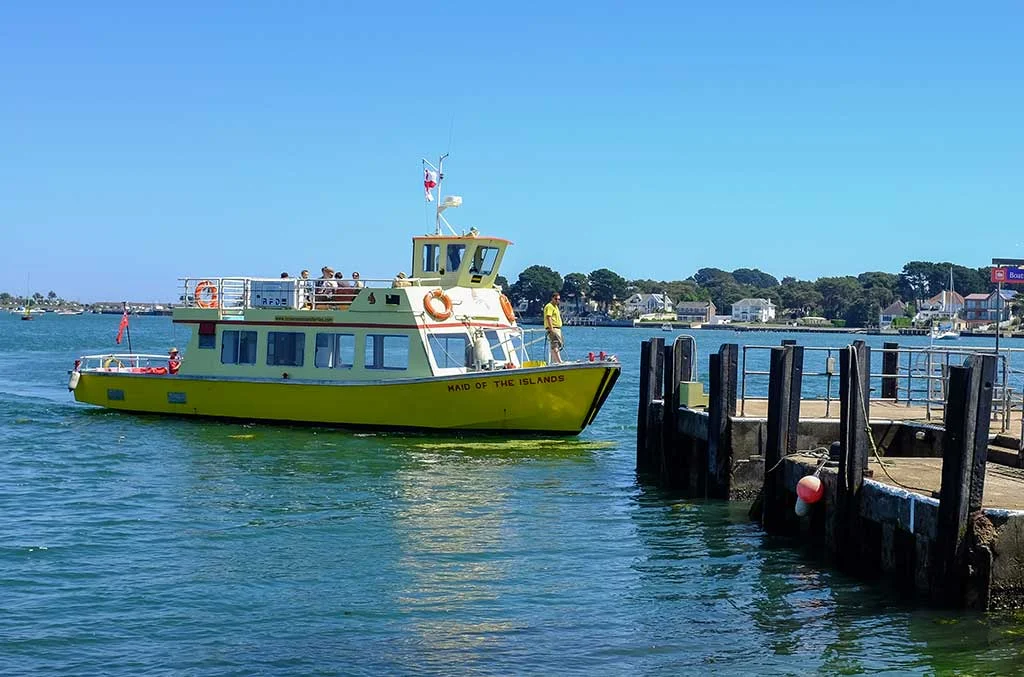
Boating is a popular way to access remote areas, but safety and environmental awareness are essential. For those new to boating, these essential boating safety tips for beginners can help ensure a safe and enjoyable outing while minimizing your impact on marine life.
Planning Your Coastal Adventure
Preparation is key to making the most of your time along Florida’s shores. Here are a few tips for planning an unforgettable trip:
- Research the best seasons for wildlife viewing and weather conditions in your chosen region.
- Bring appropriate gear, such as sun protection, reusable water bottles, and field guides.
- Consider guided tours for expert insights and safe access to sensitive areas.
- Check for any park alerts or closures before heading out.
- Pack binoculars and polarized sunglasses to enhance your viewing experience.
Families with children can find inspiration for outdoor activities in our article on family nature exploration ideas, which includes tips for making nature outings fun and educational for all ages.
Learning Opportunities and Eco-Tourism
Florida’s coastal regions are not only beautiful but also serve as living classrooms for visitors of all ages. Many parks and reserves offer ranger-led programs, interpretive trails, and educational exhibits that highlight the importance of conservation. If you’re interested in combining recreation with learning, check out local educational marine tourism opportunities that focus on ocean science and stewardship.
Eco-tourism supports local economies while promoting the preservation of natural resources. By choosing responsible tour operators and supporting conservation initiatives, visitors can help ensure that Florida’s coastal treasures remain vibrant for generations to come.
Frequently Asked Questions
What is the best time of year to explore Florida’s coastal habitats?
The ideal time to visit depends on your interests. Winter and early spring offer mild temperatures and excellent birdwatching, while summer is prime season for sea turtle nesting. Always check local conditions and wildlife calendars for the latest updates.
Are there guided tours available for exploring coastal ecosystems?
Yes, many parks and marine reserves offer guided tours led by naturalists. These tours provide expert knowledge, safe access to sensitive areas, and opportunities to learn about local flora and fauna. For more ideas, explore vacation activities for animal lovers in Florida.
How can I help protect Florida’s coastal environments during my visit?
Practice Leave No Trace principles, respect wildlife by observing from a distance, and support conservation programs. Using eco-friendly gear and following posted guidelines also help minimize your impact.
Conclusion
Florida’s coastline is a living mosaic of habitats, each offering its own blend of beauty and biodiversity. By exploring these environments thoughtfully and responsibly, nature lovers can experience the wonder of the state’s wild places while helping to protect them for the future. Whether you’re kayaking through mangroves, watching dolphins play, or learning from local experts, every adventure along the coast deepens your connection to the natural world.