
Florida’s coastline stretches for over 1,300 miles, offering a remarkable variety of marine habitats. From the vibrant coral reefs of the Keys to the seagrass meadows and mangrove forests along the Gulf and Atlantic coasts, the state’s waters are home to an incredible diversity of marine species. For those interested in exploring Florida’s ocean environment, understanding the region’s unique ecosystems and the creatures that inhabit them is essential for a rewarding and responsible experience.
Whether you’re a snorkeler, diver, wildlife enthusiast, or simply curious about the ocean, this guide provides practical insights into the state’s underwater world. You’ll discover where to find iconic marine animals, how to observe them respectfully, and tips for making the most of your coastal adventures. For those seeking more immersive experiences, consider checking out nature based excursions in Palm Beach County for guided wilderness trips that highlight the region’s natural wonders.
Habitats That Define Florida’s Marine World
The state’s marine environment is shaped by a mosaic of interconnected habitats. Each supports a unique community of organisms and plays a vital role in the health of the broader ecosystem.
- Coral Reefs: The Florida Reef Tract, stretching from Miami to the Dry Tortugas, is the only living coral barrier reef in the continental United States. It provides shelter for hundreds of fish species, sea turtles, and invertebrates.
- Seagrass Beds: These underwater meadows are found in shallow coastal waters and serve as nurseries for juvenile fish, crustaceans, and endangered species like manatees and sea turtles.
- Mangrove Forests: Mangroves line much of Florida’s coastline, stabilizing shorelines and offering habitat for birds, fish, and other wildlife.
- Estuaries: Where freshwater meets saltwater, estuaries like the Indian River Lagoon teem with life, supporting everything from dolphins to oysters.
Understanding these habitats is key to appreciating the complexity and richness of Florida’s coastal waters.
Iconic Marine Life to Discover
One of the main draws for those exploring Florida’s ocean environment is the chance to encounter remarkable marine life. Here are some of the most notable species you might see:
- Manatees: These gentle giants are often spotted in warm, shallow waters, especially near springs and power plant outflows during winter months.
- Sea Turtles: Florida’s beaches are crucial nesting grounds for loggerhead, green, and leatherback turtles. In-water sightings are common for snorkelers and divers.
- Dolphins: Bottlenose dolphins are frequently seen in bays, estuaries, and nearshore waters, often traveling in pods.
- Sharks and Rays: Blacktip, nurse, and lemon sharks, along with spotted eagle rays and southern stingrays, are regular inhabitants of reefs and sandy bottoms.
- Colorful Reef Fish: Parrotfish, angelfish, grunts, and snappers add vibrant color to coral reefs and rocky outcrops.
Responsible observation is important. For tips on minimizing your impact and protecting wildlife, see how to enjoy wildlife viewing responsibly.

Best Ways to Experience Florida’s Coastal Waters
There are many ways to immerse yourself in the state’s marine environments, each offering a different perspective on its underwater life:
- Snorkeling and Diving: The coral reefs of the Keys, Blue Heron Bridge, and John Pennekamp Coral Reef State Park are excellent spots for underwater exploration.
- Kayaking and Paddleboarding: Paddling through mangrove tunnels or along seagrass flats allows for close encounters with manatees, rays, and wading birds.
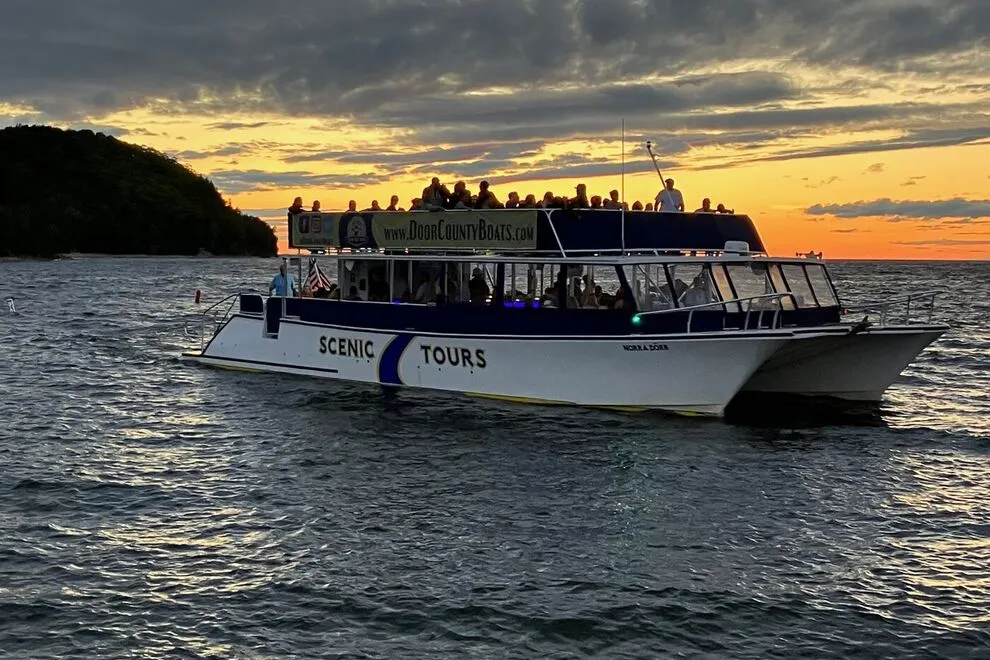
- Wildlife Cruises: Guided boat tours provide opportunities to see dolphins, sea turtles, and even migrating whales in season.
- Beachcombing and Tidepooling: Low tide reveals tidepools and sandbars teeming with small fish, crabs, and mollusks.
Families looking for hands-on experiences can find ideas in family nature exploration ideas, which highlights fun outdoor activities for kids and adults alike.
Seasonal Highlights for Marine Encounters
The timing of your visit can greatly influence what you’ll see. Here’s a seasonal overview for those interested in exploring Florida’s ocean environment throughout the year:
| Season | Marine Life Highlights |
|---|---|
| Spring | Sea turtle nesting begins; manatees move back to coastal waters; increased reef fish activity. |
| Summer | Peak sea turtle nesting; coral spawning events; best visibility for snorkeling and diving. |
| Fall | Juvenile fish abundant in seagrass beds; shorebird migration; fewer crowds. |
| Winter | Manatees gather in warm springs; right whale sightings off the northeast coast; excellent for birdwatching. |
Tips for Responsible Wildlife Viewing
Protecting Florida’s marine life is a shared responsibility. Here are some practical tips for minimizing your impact while enjoying the ocean:
- Maintain a respectful distance from all wildlife, especially nesting turtles and resting manatees.
- Never touch or chase marine animals. Allow them to approach you if they choose.
- Use reef-safe sunscreen to prevent chemical damage to corals and seagrasses.
- Dispose of trash properly and participate in beach cleanups when possible.
- Follow local regulations and guidelines, such as no-anchor zones and protected areas.
For more on ethical wildlife viewing, explore vacation activities for animal lovers that emphasize conservation and respect for nature.
Gear and Preparation for Ocean Exploration
Having the right equipment can enhance your experience and help you observe wildlife more effectively. Essentials include:
- Quality snorkeling or diving gear for underwater visibility and comfort.
- Polarized sunglasses to reduce surface glare and spot marine life from above.
- Waterproof binoculars for distant wildlife observation.
- Field guides or marine life ID apps for quick reference.
- Reusable water bottles and eco-friendly snacks to reduce waste.
If you’re planning a wildlife photography trip, check out this comprehensive guide to packing for a wildlife photography expedition for tips on gear selection and preparation.
Learning and Conservation Opportunities
Florida offers a range of educational programs and tours that deepen your understanding of marine ecosystems. Many organizations provide guided snorkeling, kayaking, and wildlife watching trips led by naturalists. These experiences not only enhance your knowledge but also support local conservation efforts. For those interested in ocean science and hands-on learning, explore educational marine tourism opportunities that combine fun with environmental stewardship.
Frequently Asked Questions
- What is the best time of year to see manatees in Florida?
- Manatees are most commonly seen in Florida’s warm springs and coastal waters during the winter months, from November to March, when they seek out warmer temperatures.
- Are there any safety tips for snorkeling or diving in Florida?
- Always check weather and water conditions before entering the ocean, use the buddy system, and be aware of boat traffic. Avoid touching marine life and respect posted signs and regulations.
- How can I help protect Florida’s marine ecosystems while visiting?
- Practice responsible wildlife viewing, use reef-safe sunscreen, avoid single-use plastics, and support conservation-focused tours and organizations.