
Florida’s coastline is one of the most ecologically diverse and economically important regions in the United States. With its sandy beaches, mangrove forests, and unique wildlife, the state’s shores attract millions of visitors each year. However, these environments face increasing threats from erosion, pollution, climate change, and human activity. Learning about coastal conservation is essential for anyone who wants to help preserve these vital habitats for future generations.
Whether you’re a resident, visitor, or nature enthusiast, understanding the principles of shoreline protection empowers you to make informed choices and take meaningful action. This article explores the key concepts, challenges, and practical steps for safeguarding Florida’s coasts, with a focus on hands-on tips and resources for getting involved.
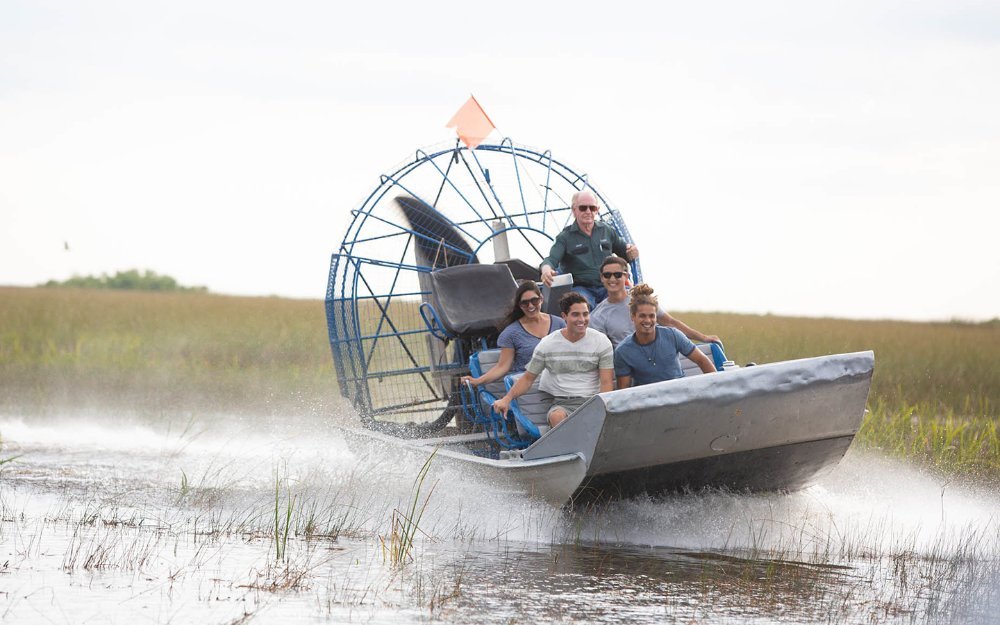
For those interested in exploring Florida’s natural wonders firsthand, check out these nature based excursions in Palm Beach County to experience local wildlife and habitats up close while supporting conservation-friendly tourism.
Why Coastal Protection Matters in Florida
Florida’s shoreline is not just a beautiful destination—it’s a critical buffer zone that supports biodiversity, protects inland areas from storms, and sustains the state’s tourism and fishing industries. The loss of dunes, wetlands, and native vegetation can lead to increased flooding, habitat loss, and declining water quality. With sea levels rising and storms becoming more intense, the need for effective stewardship has never been greater.
- Biodiversity: Florida’s coasts are home to sea turtles, shorebirds, manatees, and countless marine species.
- Economic Value: Beaches and coastal areas generate billions in tourism revenue and provide jobs for thousands.
- Natural Defense: Healthy dunes and mangroves absorb storm surges and reduce erosion, protecting communities from hurricanes.
Key Principles of Learning About Coastal Conservation
Understanding the science and practice of shoreline stewardship is the first step to making a difference. Here are some foundational concepts:
- Preserving Native Vegetation: Plants like sea oats and mangroves stabilize sand and prevent erosion. Avoid disturbing these plants and support restoration projects.
- Minimizing Pollution: Runoff from streets and lawns can carry harmful chemicals into the ocean. Use eco-friendly products and dispose of waste responsibly.
- Respecting Wildlife: Many species rely on undisturbed beaches and wetlands for nesting and feeding. Keep a safe distance from animals and avoid trampling sensitive areas.
- Supporting Sustainable Tourism: Choose tours and activities that follow best practices for environmental protection. Look for guides who emphasize education and responsible behavior.
Common Threats to Florida’s Shores
Protecting the coast means understanding the main challenges facing these environments. Some of the most pressing threats include:
- Beach Erosion: Natural processes and human activities, such as construction and sand mining, can accelerate the loss of shoreline.
- Pollution: Plastics, chemicals, and untreated wastewater harm marine life and degrade water quality.
- Invasive Species: Non-native plants and animals can outcompete native species, disrupting the balance of coastal ecosystems.
- Climate Change: Rising sea levels and stronger storms threaten to reshape Florida’s coastline and put communities at risk.
By learning about coastal conservation and staying informed about these issues, individuals and communities can work together to find solutions and adapt to changing conditions.
How to Get Involved in Shoreline Stewardship
There are many ways to contribute to the health of Florida’s coasts, from everyday actions to participating in organized programs. Here are some practical steps:
Participate in Beach Cleanups
Joining local cleanup events helps remove trash and debris before it can harm wildlife or pollute the ocean. Many organizations host regular cleanups—check community boards or conservation groups for schedules.
Support Habitat Restoration
Volunteer for projects that restore dunes, plant native vegetation, or remove invasive species. These efforts strengthen natural defenses and provide habitat for coastal wildlife.
Practice Responsible Recreation
When enjoying the beach, follow posted guidelines, stay on designated paths, and avoid disturbing nesting areas. For more tips on ethical wildlife viewing, see this guide on how to enjoy wildlife viewing responsibly.
Educate Yourself and Others
Share what you learn about shoreline protection with friends, family, and your community. Consider joining workshops or eco-tours that focus on local ecosystems. For families, there are plenty of family nature exploration ideas that make learning fun and interactive.
Resources for Expanding Your Knowledge
Staying up to date with the latest research and best practices is key to effective stewardship. Consider these resources:
- Local conservation organizations and government agencies often offer free workshops and educational materials.
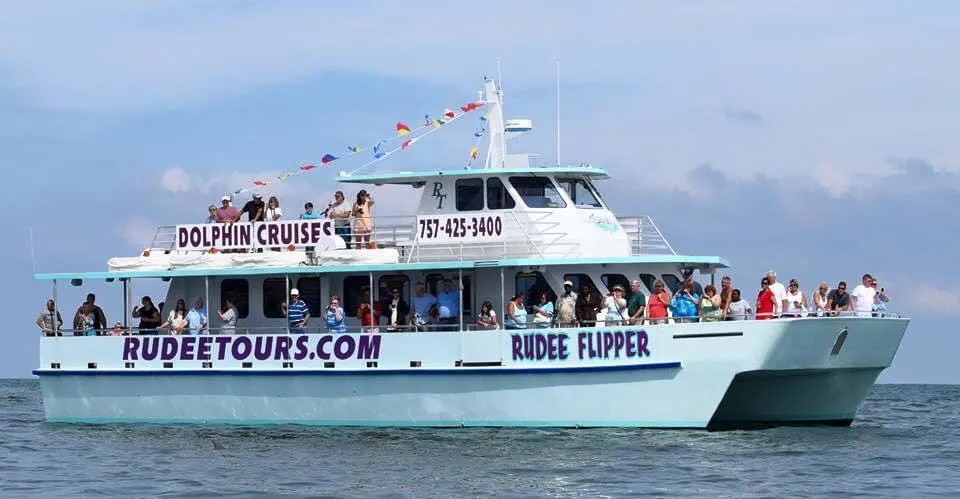
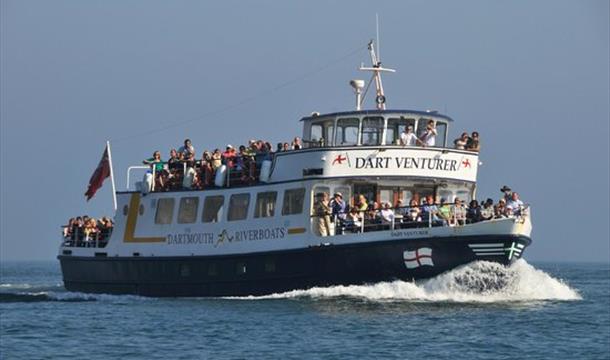
- Eco-tour operators provide guided experiences that teach about coastal habitats and sustainable practices. For more ideas, explore educational marine tourism opportunities in Florida.
- Before heading out on a wildlife adventure, review this guide to preparing for a wildlife trip to ensure your activities are low-impact and respectful of nature.
By combining personal action with ongoing education, anyone can play a role in preserving Florida’s unique coastal environments.
Frequently Asked Questions
What are the most effective ways individuals can help protect Florida’s coasts?
Participating in beach cleanups, reducing plastic use, supporting native plant restoration, and practicing responsible recreation are all impactful ways to contribute. Staying informed and sharing knowledge with others also amplifies your positive impact.
How does climate change affect Florida’s shoreline?
Rising sea levels, increased storm intensity, and changing weather patterns accelerate erosion, threaten habitats, and put coastal infrastructure at risk. Adaptation strategies include restoring natural buffers like dunes and wetlands and reducing carbon emissions.
Are there family-friendly activities that support coastal conservation?
Yes! Many organizations offer hands-on programs for children and families, such as guided nature walks, wildlife observation tours, and educational workshops. These activities foster a love for nature and teach the importance of stewardship from a young age.
Conclusion
Florida’s shores are a natural treasure that require active protection and care. By learning about coastal conservation, supporting local initiatives, and making mindful choices, everyone can contribute to the long-term health and beauty of these environments. Whether you’re volunteering, exploring, or simply spreading the word, your efforts help ensure that Florida’s coasts remain vibrant and resilient for generations to come.