
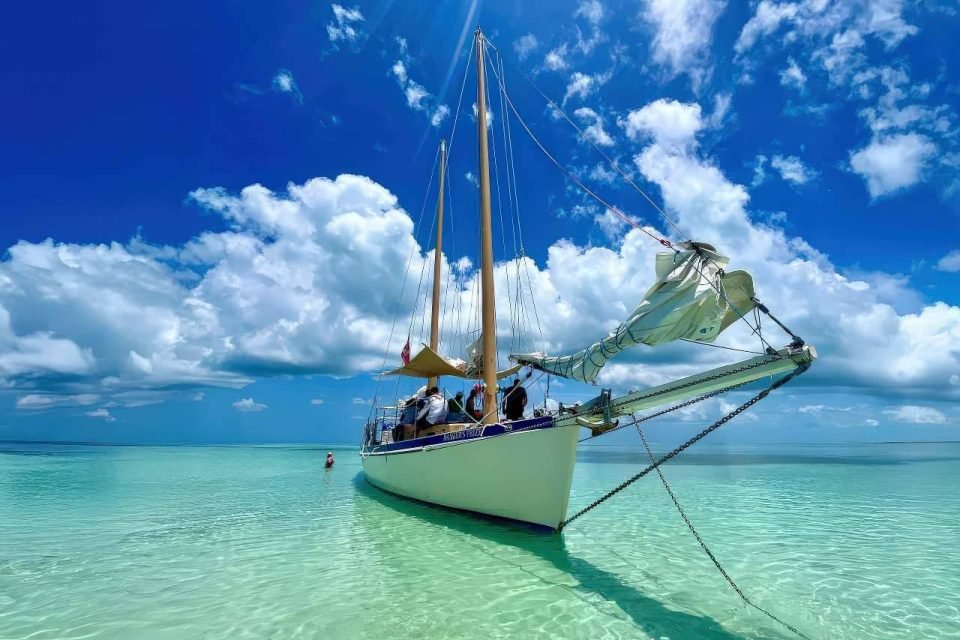
Coastal regions around the world are home to some of the most diverse and vital habitats on the planet. Among these, mangrove ecosystem exploration stands out as a unique opportunity to witness the intersection of land and sea, where salt-tolerant trees form dense forests along the shoreline. Guided nature tours through these environments offer an immersive way to learn about the intricate web of life that thrives in mangrove forests, from the smallest crustaceans to the majestic wading birds overhead.
Whether you’re a nature enthusiast, a family seeking an educational outing, or a traveler looking for a memorable adventure, exploring mangroves with an expert guide provides a deeper appreciation for these remarkable coastal systems. Early in your journey, you may want to discover other nature based excursions in Palm Beach County to complement your experience and broaden your understanding of Florida’s diverse wilderness areas.
Why Mangrove Habitats Matter
Mangroves are more than just a scenic backdrop for coastal adventures. These forests serve as a buffer against storms, reduce coastal erosion, and provide a nursery for countless marine species. Their tangled roots trap sediment and filter pollutants, improving water quality and supporting biodiversity. During a guided tour, you’ll learn how mangroves play a critical role in carbon sequestration, helping to combat climate change by absorbing and storing atmospheric carbon dioxide.
In addition to their environmental benefits, mangroves support local communities by sustaining fisheries and attracting eco-tourism. Guides often share insights into traditional uses of mangrove resources and the ongoing efforts to protect these fragile ecosystems from threats such as development and pollution.
What to Expect on a Guided Mangrove Tour
Participating in a mangrove ecosystem exploration led by a knowledgeable guide is both educational and enjoyable. Tours may be conducted on foot along boardwalks, by kayak or canoe through winding waterways, or aboard small boats designed to navigate shallow channels. Each mode of exploration offers a different perspective on the flora and fauna that call mangroves home.
Guides typically highlight key features of the ecosystem, such as:
- Identification of native mangrove species and their adaptations to saltwater environments
- Spotting wildlife like herons, egrets, crabs, and even dolphins or manatees in some regions
- Explaining the importance of tidal cycles and how they influence the ecosystem
- Sharing conservation stories and ways visitors can help protect these habitats
Some tours incorporate hands-on activities, such as water sampling or using binoculars for birdwatching. For a truly memorable experience, consider bringing along quality gear like binoculars and polarized sunglasses to enhance your wildlife viewing and protect your eyes from glare.
Wildlife Encounters and Birdwatching Opportunities
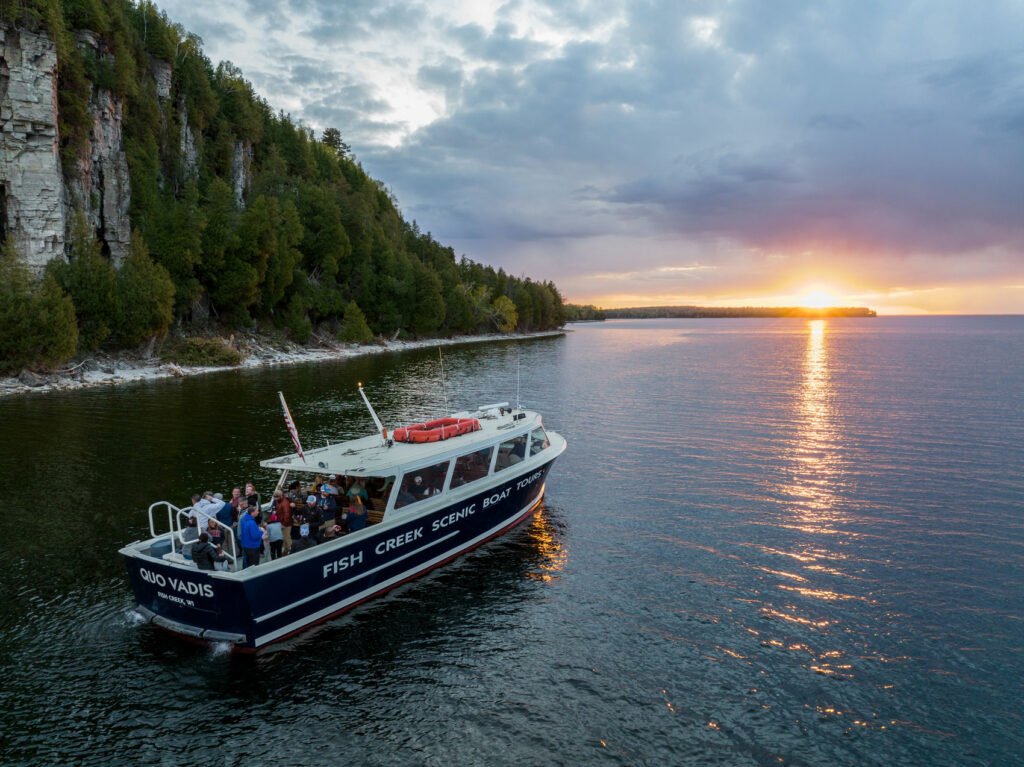
One of the highlights of any coastal nature tour is the chance to observe wildlife up close. Mangrove forests are teeming with life, from the mudskippers and fiddler crabs scuttling among the roots to the osprey and roseate spoonbills soaring overhead. Birdwatchers, in particular, will appreciate the abundance of species that rely on these habitats for nesting and feeding.
To make the most of your wildlife viewing, it’s important to follow ethical guidelines and minimize disturbance. If you’re interested in learning more about responsible practices, check out this resource on how to enjoy wildlife viewing responsibly. Respecting the environment ensures that future generations can continue to enjoy these vibrant ecosystems.
Planning Your Coastal Adventure: What to Bring
Preparation is key for a rewarding mangrove tour. Here are some essentials to consider packing:
- Comfortable, quick-drying clothing suitable for warm and humid conditions
- Sturdy water shoes or sandals with good grip
- Sun protection: hat, sunscreen, and lightweight long sleeves
- Reusable water bottle to stay hydrated
- Binoculars and a camera for wildlife observation and photography
- Polarized sunglasses to reduce glare on the water
- Insect repellent, especially in summer months
For a detailed checklist and expert tips, you can read this guide to wildlife trip essentials before your next outing.
Choosing the Right Tour for Your Interests
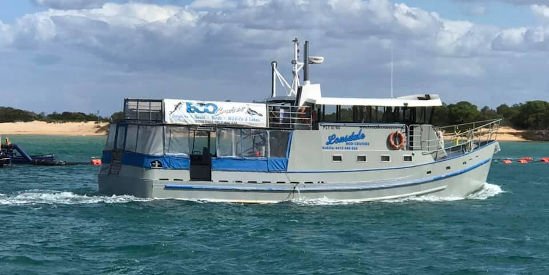
With so many options available, selecting the ideal guided mangrove tour depends on your interests and comfort level. Some tours focus on family-friendly education, while others cater to avid birders or adventure seekers looking for kayaking or paddleboarding experiences. Consider the following when booking your outing:
- Group size and guide-to-guest ratio for a more personalized experience
- Duration and physical requirements of the tour
- Opportunities for hands-on learning or photography
- Availability of eco-certified or conservation-focused operators
For those seeking a broader range of coastal adventures, you might enjoy exploring scenic ocean and inlet adventures or learning about educational marine tourism opportunities in Florida and beyond.
Conservation and Responsible Tourism
Participating in a mangrove ecosystem exploration isn’t just about personal enjoyment—it’s also a chance to support conservation efforts. Many tour operators collaborate with local organizations to restore degraded habitats, monitor wildlife, and educate the public about the importance of mangroves. As a visitor, you can contribute by choosing eco-friendly tours, following Leave No Trace principles, and spreading awareness about the value of these coastal forests.
For those interested in uncovering more hidden natural areas, consider reading about discovering Florida’s hidden coastal gems to find lesser-known spots that offer tranquility and rich biodiversity.
Frequently Asked Questions
What wildlife can I expect to see during a mangrove tour?
Common sightings include wading birds such as herons and egrets, various species of crabs, fish, and sometimes larger animals like manatees or dolphins. The diversity depends on the region and season, but mangroves are always teeming with life.
Are guided mangrove tours suitable for children and beginners?
Yes, most tours are designed to be accessible for all ages and experience levels. Guides tailor the experience to the group, ensuring safety and engagement for families, school groups, and first-time explorers.
How can I help protect mangrove ecosystems while visiting?
Follow your guide’s instructions, avoid disturbing wildlife, and never leave trash behind. Supporting eco-certified tours and learning about conservation initiatives also makes a positive impact on these vital habitats.