
Florida’s coastline stretches for over 1,300 miles, offering a unique blend of vibrant coral reefs, lush mangroves, and diverse marine life. These natural treasures are not only vital for the state’s economy and recreation but also play a crucial role in global biodiversity. Over the years, marine conservation efforts in Florida have become increasingly important as threats like pollution, overfishing, and climate change put pressure on these delicate ocean habitats.
From grassroots initiatives to large-scale government programs, a wide range of organizations and individuals are working to safeguard Florida’s coastal ecosystems. In this guide, we’ll explore the key strategies, challenges, and opportunities for preserving the state’s marine environments, and how you can get involved in supporting these vital efforts.
For those interested in exploring Florida’s wild side, consider checking out nature based excursions in Palm Beach County. These trips offer a firsthand look at the region’s natural wonders while supporting sustainable tourism and conservation education.
Why Ocean Habitats in Florida Need Protection
Florida’s marine environments are home to hundreds of species, including endangered sea turtles, manatees, dolphins, and countless fish and invertebrates. The state’s coral reefs, such as the Florida Reef Tract, are the only living coral barrier reef in the continental United States. Mangrove forests and seagrass beds provide essential nursery grounds for marine life and help stabilize coastlines against storms and erosion.
However, these habitats face significant threats:
- Pollution: Runoff from agriculture, urban development, and stormwater carries nutrients and chemicals into the ocean, causing harmful algal blooms and degrading water quality.
- Climate Change: Rising sea temperatures and ocean acidification are leading to coral bleaching and the loss of sensitive species.
- Overfishing: Unsustainable fishing practices can deplete fish populations and disrupt the balance of marine ecosystems.
- Coastal Development: Construction and dredging can destroy critical habitats like mangroves and seagrasses.
Addressing these challenges requires coordinated action from government agencies, scientists, local communities, and visitors alike.
Key Marine Conservation Strategies in Florida
Several approaches are being used to protect and restore Florida’s ocean habitats. These strategies combine scientific research, policy measures, and community engagement to create lasting change.
Establishing Marine Protected Areas
One of the most effective tools for safeguarding ocean ecosystems is the creation of marine protected areas (MPAs). These designated zones restrict certain activities, such as fishing or boating, to minimize human impact and allow habitats to recover. Notable MPAs in Florida include the Florida Keys National Marine Sanctuary and Biscayne National Park. These areas help conserve coral reefs, seagrass beds, and vital fish spawning grounds.
Restoring Coral Reefs and Mangroves
Restoration projects are underway across the state to rebuild damaged habitats. Scientists and volunteers are planting coral fragments, reestablishing mangrove seedlings, and monitoring recovery. These efforts help increase biodiversity, improve water quality, and provide resilience against storms.
Promoting Responsible Marine Tourism
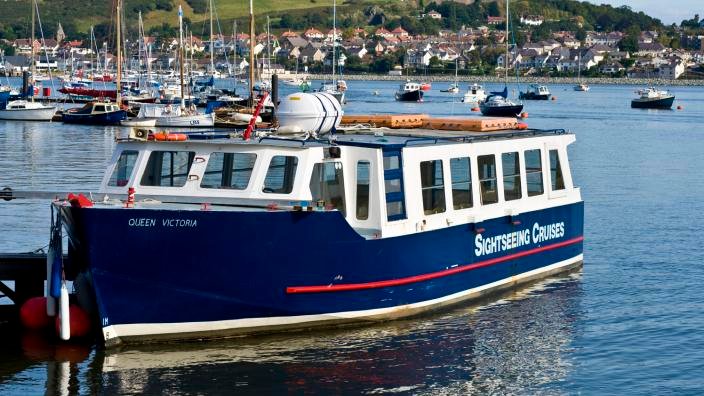
Eco-friendly tourism plays a significant role in supporting marine conservation efforts in Florida. By choosing operators who follow best practices, visitors can enjoy wildlife viewing, snorkeling, and boating while minimizing their impact. For tips on how to enjoy these activities without harming the environment, see our guide on how to enjoy wildlife viewing responsibly.
Additionally, educational programs and guided tours help raise awareness about the importance of ocean stewardship. These experiences foster a deeper connection to nature and inspire action to protect marine habitats.
Community Involvement and Volunteer Opportunities
Local communities are at the heart of successful conservation work. Many organizations offer volunteer programs, beach cleanups, and citizen science projects that allow residents and visitors to contribute directly. Activities might include:
- Participating in sea turtle nest monitoring
- Assisting with coral restoration dives
- Joining coastal cleanup events
- Reporting sightings of endangered species
Getting involved not only supports ongoing projects but also helps build a culture of conservation throughout Florida’s coastal regions.
Safe and Sustainable Boating Practices
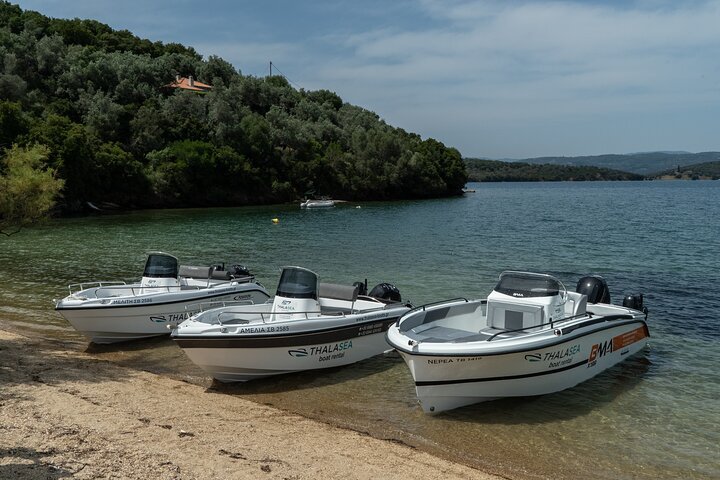
Boating is a popular way to experience Florida’s coastal waters, but it comes with responsibilities. Following safe and sustainable boating guidelines helps protect sensitive habitats and wildlife. For new boaters, reviewing boating safety tips for new water enthusiasts is a great way to start. Responsible boaters avoid damaging seagrass beds, keep a safe distance from marine animals, and properly dispose of waste.
Many marinas and tour operators now offer educational resources and encourage best practices to reduce the impact of recreational boating on the environment.
Education and Advocacy for Ocean Protection
Raising public awareness is essential for long-term conservation success. Schools, aquariums, and nonprofits across Florida provide educational programs that teach the value of healthy oceans. Advocacy campaigns also play a role in influencing policy decisions, such as supporting bans on harmful chemicals or promoting renewable energy to reduce carbon emissions.
For those interested in learning more about marine science and conservation, consider joining educational marine tourism opportunities that combine fun with learning and stewardship.
Challenges and Future Directions
Despite significant progress, ongoing threats require adaptive management and continued investment. Climate change remains a major concern, with rising sea levels and warming waters posing new risks to Florida’s marine ecosystems. Collaboration between scientists, policymakers, and local stakeholders is crucial for developing innovative solutions.
Emerging technologies, such as remote sensing and genetic research, offer new tools for monitoring and restoring habitats. At the same time, empowering local communities and fostering a sense of shared responsibility will be key to sustaining conservation gains in the years ahead.
Additional Ways to Support Ocean Conservation
Beyond volunteering and responsible tourism, individuals can make a difference by:
- Reducing single-use plastics and properly recycling waste
- Supporting businesses and products that prioritize sustainability
- Participating in citizen science initiatives, such as wildlife surveys
- Staying informed about policy changes and advocating for strong environmental protections
For those seeking scenic adventures that highlight Florida’s natural beauty, try exploring scenic ocean and inlet adventures or discovering Florida’s hidden coastal gems for inspiration and ideas.
Frequently Asked Questions
What are the main threats to Florida’s marine habitats?
The primary threats include pollution from runoff, climate change impacts like coral bleaching, overfishing, and habitat loss due to coastal development. These factors can reduce biodiversity and weaken the resilience of ocean ecosystems.
How can visitors help protect marine environments in Florida?
Visitors can support conservation by choosing eco-friendly tour operators, following wildlife viewing guidelines, reducing plastic use, and participating in beach cleanups or citizen science projects. Educating oneself about local regulations and respecting protected areas also makes a positive impact.
Are there volunteer opportunities for marine conservation in Florida?
Yes, many organizations offer volunteer programs ranging from sea turtle monitoring to coral restoration and coastal cleanups. Getting involved is a great way to contribute directly to conservation and learn more about Florida’s unique marine life.