
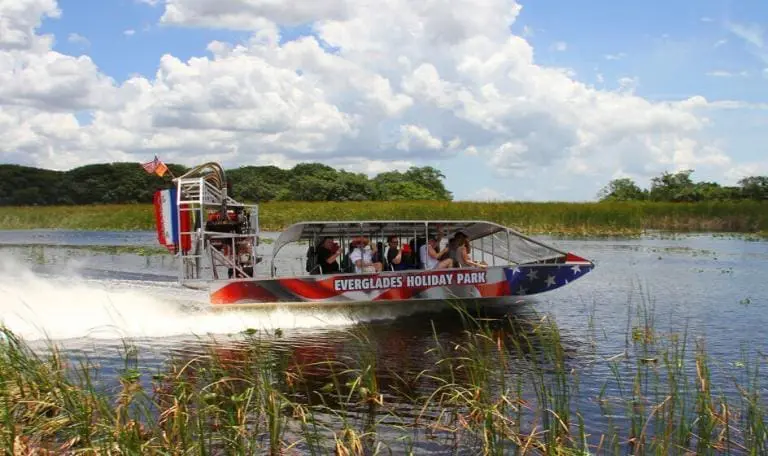
Exploring the world’s oceans and coastlines offers unforgettable opportunities to witness dolphins leaping, sea turtles gliding, and whales breaching in their natural habitats. However, with the privilege of observing these remarkable creatures comes the responsibility to do so ethically. Marine wildlife awareness for travelers is crucial for protecting fragile ecosystems and ensuring that future generations can enjoy the same experiences.
Whether you’re planning a snorkeling trip, a whale-watching tour, or simply strolling along the shore, understanding how to interact with marine life respectfully is essential. This guide provides practical advice for responsible wildlife viewing, highlights the importance of ethical tourism, and connects you with further resources for deepening your knowledge and impact.
For those interested in combining adventure with education, consider exploring educational marine tourism opportunities that offer fun ocean science tours and hands-on learning experiences.
Why Responsible Marine Wildlife Viewing Matters
Human presence can have significant effects on marine animals. Approaching too closely, making loud noises, or feeding wildlife can disrupt natural behaviors, increase stress, and even cause harm. Practicing marine wildlife awareness for travelers helps minimize disturbance, supports conservation efforts, and promotes sustainable tourism.
- Disturbance: Getting too close may cause animals to flee, abandon nests, or change migration patterns.
- Feeding: Offering food can alter diets and make animals dependent on humans.
- Pollution: Litter and plastic waste threaten marine life through ingestion and entanglement.
By adopting ethical viewing habits, travelers play a direct role in protecting marine biodiversity and supporting local communities that rely on healthy ecosystems.
Best Practices for Ethical Encounters
To ensure your interactions are positive for both you and the animals, follow these core guidelines:
- Keep Your Distance: Observe wildlife from afar using binoculars or zoom lenses. Never attempt to touch, chase, or corner animals.
- Stay Quiet and Calm: Sudden movements and loud noises can startle marine creatures. Move slowly and speak softly.
- Never Feed Wildlife: Human food disrupts natural diets and can cause illness or behavioral changes.
- Respect Signs and Local Rules: Follow posted guidelines and listen to local guides or rangers. Many areas have strict regulations to protect sensitive habitats.
- Leave No Trace: Take all trash with you, avoid collecting shells or coral, and use reef-safe sunscreen to prevent pollution.
For more tips on eco-friendly wildlife viewing, see our guide on how to enjoy wildlife viewing responsibly.
Choosing Responsible Tours and Operators
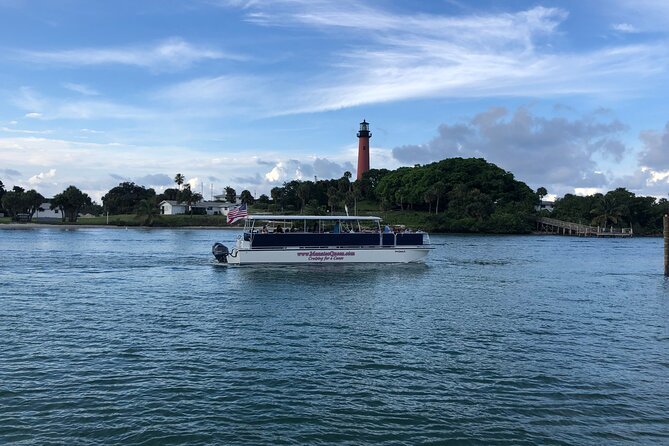
Selecting the right tour provider is a key part of supporting ethical marine encounters. Look for companies that:
- Are certified by reputable eco-labels or conservation organizations.
- Employ trained naturalists or marine biologists as guides.
- Limit group sizes to reduce impact on wildlife.
- Follow established codes of conduct for wildlife viewing.
Responsible operators will educate guests about local species, habitats, and conservation challenges, helping you become a more informed and respectful visitor.
If you’re seeking inspiration for your next adventure, check out our recommendations for vacation activities for animal lovers in Florida and beyond.
Essential Gear for Observing Marine Life
Having the right equipment enhances your experience while minimizing your impact. Here are some essentials for wildlife enthusiasts:
- Binoculars: Allow you to observe animals from a safe distance without disturbing them.
- Polarized Sunglasses: Reduce glare on the water, making it easier to spot marine creatures below the surface.
- Waterproof Camera: Capture memories without risking your phone or disturbing animals with flashes.
- Reef-Safe Sunscreen: Protects your skin and the ocean from harmful chemicals.
Investing in quality gear not only improves your viewing experience but also supports ethical practices by keeping you at a respectful distance.
Understanding Local Wildlife and Habitats
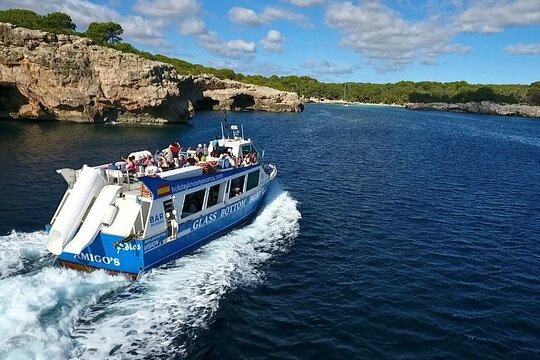
Each region has its own unique marine species and environmental challenges. Before your trip, take time to learn about the animals you might encounter and the best ways to observe them safely. Many destinations offer visitor centers, guided walks, or interpretive signage to help you understand local ecosystems.
For families, exploring nature together can be both fun and educational. Discover more ideas with our guide to family nature exploration ideas that encourage outdoor learning and respect for wildlife.
Supporting Conservation Through Travel
Travelers can have a positive impact by supporting conservation initiatives and local communities. Consider:
- Donating to marine conservation organizations or participating in citizen science projects.
- Choosing accommodations and tours that give back to environmental causes.
- Advocating for stronger protections for marine habitats and endangered species.
Staying informed and engaged helps ensure that your travel dollars contribute to the long-term health of the world’s oceans.
For more information on safe and responsible wildlife observation, review the Government of Canada’s marine mammal viewing guidelines.
Common Mistakes to Avoid
Even well-meaning travelers can unintentionally harm marine wildlife. Avoid these frequent pitfalls:
- Getting too close for a better photo or selfie.
- Touching or picking up animals, shells, or coral.
- Ignoring local advice or posted regulations.
- Leaving trash or using non-biodegradable products near the water.
Staying mindful of your actions ensures a safe and enjoyable experience for both you and the animals you encounter.
FAQ: Ethical Marine Wildlife Viewing
What is the safest way to observe marine animals without disturbing them?
The safest approach is to maintain a respectful distance—use binoculars or a camera with a zoom lens. Avoid sudden movements, loud noises, and never attempt to touch or feed wildlife. Always follow local regulations and guidance from experienced guides.
How can I tell if a tour operator is truly eco-friendly?
Look for certifications from recognized environmental organizations, check if guides are trained in marine biology or conservation, and read reviews from past guests. Responsible operators will prioritize small group sizes, provide educational information, and follow strict codes of conduct for wildlife viewing.
Why is it important not to feed marine wildlife?
Feeding wild animals can disrupt their natural foraging behaviors, cause health problems, and make them dependent on human food. This can lead to increased risks for both animals and people. Always let marine creatures find their own food in their natural environment.
Are there family-friendly ways to teach kids about marine wildlife awareness?
Yes! Many destinations offer child-friendly tours, educational programs, and interactive exhibits. Simple activities like beach cleanups, guided tide pool walks, and wildlife spotting with binoculars can help children learn about marine life and the importance of conservation.
Conclusion
Practicing marine wildlife awareness for travelers is about more than just following rules—it’s a commitment to protecting the oceans and the incredible creatures that call them home. By making informed choices, respecting local guidelines, and supporting ethical tourism, you can enjoy unforgettable wildlife encounters while ensuring a positive legacy for future explorers. Remember, every responsible action helps preserve the beauty and diversity of our planet’s marine environments.