
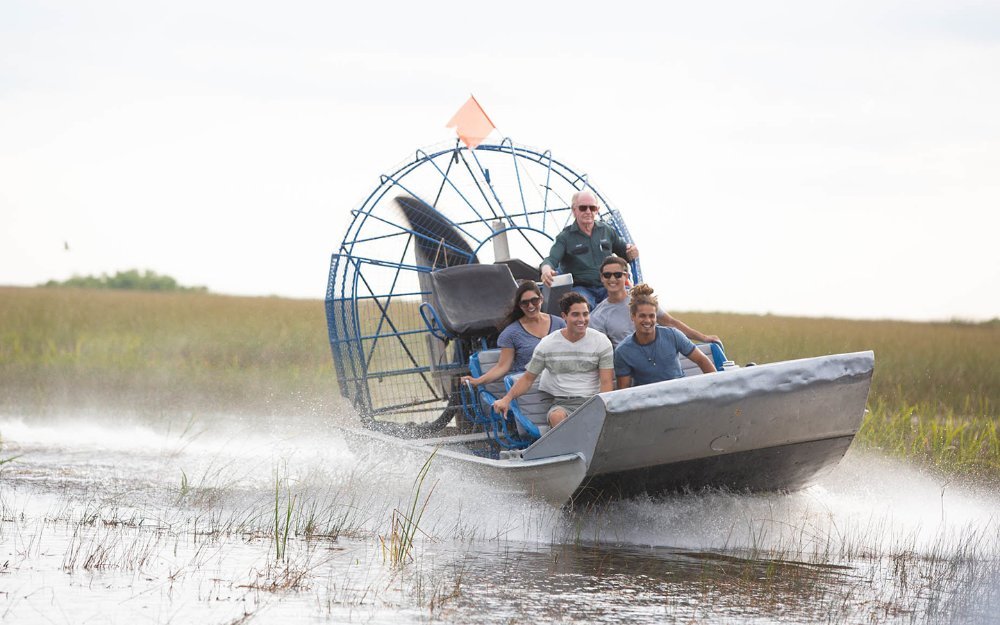
Exploring the open ocean to observe marine animals is a rewarding experience that combines adventure, education, and a deep appreciation for the natural world. Whether you’re planning your first boat tour or are a seasoned wildlife enthusiast, having the right approach and equipment can make all the difference. This guide shares marine wildlife watching tips to help you maximize your next ocean safari, ensuring your encounters are both memorable and respectful to the creatures you hope to see.
Before you set out, consider researching local regulations and best practices for responsible viewing. Many destinations, such as those highlighted in nature based excursions in Palm Beach County, offer unique opportunities to see dolphins, whales, sea turtles, and seabirds in their natural environment. By preparing properly, you can enjoy the wonders of the sea while minimizing your impact on delicate ecosystems.
Planning Your Ocean Adventure
Preparation is key to a successful marine wildlife outing. Start by choosing a reputable tour operator with a strong commitment to conservation and ethical practices. Look for companies that follow established guidelines for approaching animals and limiting disturbance. Reading reviews and checking for certifications from wildlife or eco-tourism organizations can help you make an informed choice.
Timing is also important. Many marine species are more active during certain seasons or times of day. For example, whales may migrate through specific regions only during certain months, while dolphins and seabirds can often be seen year-round. Researching the best periods for sightings in your chosen destination will increase your chances of memorable encounters.
It’s also wise to prepare for changing weather and sea conditions. Bring layers, waterproof clothing, and sun protection, as conditions on the water can shift quickly. Packing snacks, water, and a small first aid kit will help you stay comfortable throughout your trip.
Essential Gear for Marine Wildlife Viewing
Having the right equipment can greatly enhance your experience and help you observe animals from a respectful distance. Here are some recommended items for your next trip:
- Binoculars: A quality pair of binoculars allows you to spot distant animals without disturbing them. Look for waterproof models with good magnification and a wide field of view.
- Sunglasses: Polarized sunglasses reduce glare on the water, making it easier to spot fins, flippers, and seabirds.
- Camera: If you want to capture photos, choose a camera with a zoom lens. Remember to turn off the flash and avoid sudden movements that could startle wildlife.
- Notebook or App: Recording your observations can add to the enjoyment and help with identification later.
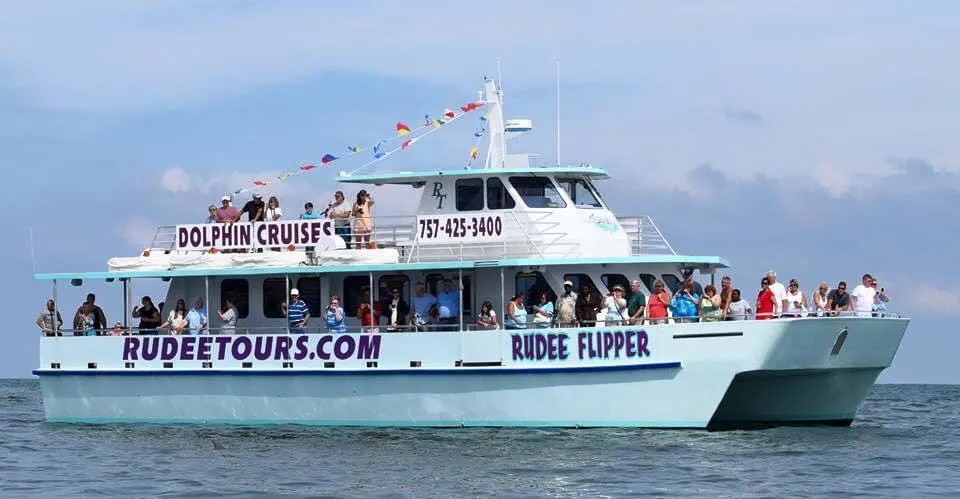
Best Practices for Responsible Wildlife Encounters
Respect for marine animals and their habitats is at the heart of every rewarding ocean safari. Following these principles ensures your adventure is safe for both you and the wildlife:
- Keep Your Distance: Use binoculars or zoom lenses to observe animals without getting too close. Approaching too near can cause stress or disrupt natural behaviors.
- Stay Quiet and Calm: Sudden noises or movements can frighten wildlife. Speak softly and move gently while on deck.
- Follow Crew Instructions: Listen to your guide or captain, as they are trained to spot animals and know how to approach them safely and ethically.
- Never Feed Wildlife: Feeding can harm animals and alter their natural foraging habits.
- Leave No Trace: Take all trash with you and avoid dropping anything overboard. Even biodegradable items can harm marine ecosystems.
For more on ethical observation, see these guidelines for responsible wildlife viewing that help protect both animals and habitats.
Maximizing Sightings: Pro Tips for Marine Wildlife Watching
Spotting elusive creatures requires patience, keen observation, and sometimes a bit of luck. Here are some advanced marine wildlife watching tips to improve your chances:
- Scan the Horizon: Use binoculars to look for splashes, fins, or seabird activity, which can signal the presence of larger animals below.
- Watch for Patterns: Birds diving into the water or fish jumping may indicate dolphins or whales hunting nearby.
- Learn Animal Behaviors: Understanding typical movements and surfacing patterns helps you anticipate where and when animals might appear.
- Be Patient: Wildlife encounters can’t be guaranteed. Enjoy the scenery and appreciate every sighting, no matter how brief.
- Ask Questions: Guides are a valuable resource—don’t hesitate to ask about the species you see or the best ways to spot them.

Learning and Enriching Your Experience
Every ocean safari is an opportunity to learn more about marine life and the ecosystems they inhabit. Many tours include knowledgeable guides who share insights into animal behavior, conservation challenges, and local history. If you’re interested in a deeper dive, consider booking educational marine tourism opportunities that combine wildlife viewing with interactive learning.
Keeping a journal or using a wildlife observation app can help you track the species you see and reflect on your experiences. Sharing your sightings with citizen science projects or local conservation groups can also contribute to ongoing research and protection efforts.
Staying Safe and Comfortable at Sea
Safety is essential for a positive wildlife watching experience. Here are some practical tips to ensure your trip goes smoothly:
- Listen to Safety Briefings: Pay attention to crew instructions regarding life jackets, emergency procedures, and movement on the vessel.
- Protect Yourself from the Elements: Wear sunscreen, a hat, and lightweight clothing to guard against sunburn. Bring a windbreaker or rain jacket for cooler conditions.
- Stay Hydrated: Bring plenty of water and avoid excessive caffeine or alcohol, which can increase the risk of seasickness.
- Prepare for Motion: If you’re prone to seasickness, consider taking preventative medication or using acupressure bands.
Families with children should ensure kids are supervised at all times and have appropriate gear for sun and sea exposure. For more inspiration on family-friendly outings, check out these family nature exploration ideas for outdoor adventures.
Making Your Trip Count: Conservation and Lasting Impact
Responsible wildlife watching supports conservation by fostering appreciation and generating funds for protection efforts. Choose operators who give back to local communities and conservation initiatives. Consider supporting organizations that work to preserve marine habitats and educate the public about the importance of ocean ecosystems.
Before you travel, review resources such as this comprehensive guide to preparing for a wildlife trip for more advice on planning, packing, and ethical travel.
By following these marine wildlife watching tips, you help ensure that future generations can enjoy the same breathtaking encounters with dolphins, whales, turtles, and seabirds that inspire us today.
Frequently Asked Questions
What is the best time of year for ocean wildlife viewing?
The ideal season varies by location and species. For example, whale migrations often occur during spring and fall, while dolphins and seabirds may be present year-round. Research your destination for specific timing, and consult local tour operators for up-to-date advice.
How can I identify different marine animals during my trip?
Guides often provide identification charts or field guides on board. Binoculars and cameras with zoom lenses help you observe markings and behaviors. You can also use wildlife observation apps or keep a notebook to record details for later research.
Are there rules I should follow to protect marine wildlife?
Yes, always keep a respectful distance, avoid feeding animals, and never attempt to touch or chase them. Follow your guide’s instructions and adhere to local regulations. For more on ethical practices, review these eco-friendly wildlife viewing rules.