
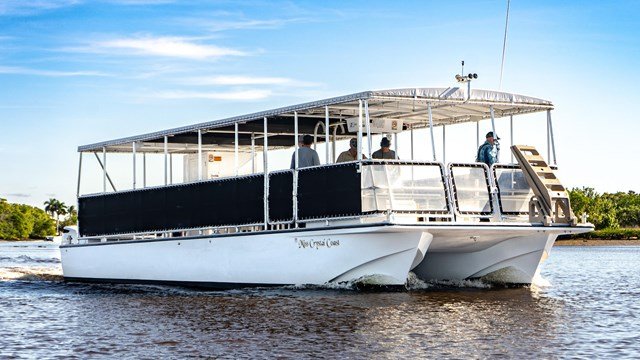
South Florida’s coastal waters are home to an extraordinary diversity of wildlife. From vibrant coral reefs to lush mangrove estuaries, the region supports a wide range of native marine species that make it a hotspot for nature enthusiasts, snorkelers, and eco-tourists. Understanding the unique creatures that inhabit these waters not only enhances your appreciation for the area but also helps promote responsible wildlife viewing and conservation.
Whether you’re planning a boat tour, a snorkeling adventure, or simply want to learn more about the fascinating animals beneath the surface, this guide introduces you to some of the most iconic and important marine life found in South Florida. For those interested in exploring the region further, you might also enjoy these nature based excursions in Palm Beach County, which offer immersive ways to experience local habitats.
Why South Florida Is a Haven for Marine Biodiversity
The subtropical climate, warm waters, and unique geography of South Florida create ideal conditions for a vast array of marine life. The region’s proximity to the Gulf Stream, extensive coral reefs, and protected estuaries support everything from tiny invertebrates to large marine mammals. These ecosystems are vital not only for the species that live here, but also for the communities and visitors who depend on healthy oceans for recreation and livelihoods.
Iconic Fish and Invertebrates of the Region
Among the most recognizable native marine species of South Florida are its colorful reef fish and invertebrates. The coral reefs off the coast, including those in the Florida Keys and Biscayne National Park, are teeming with life. Here are some of the standout species you might encounter:
- Parrotfish: Known for their vibrant colors and beak-like mouths, parrotfish play a crucial role in maintaining healthy reefs by grazing on algae.
- Angelfish: The queen angelfish, with its striking blue and yellow hues, is a favorite among snorkelers and divers.
- Spiny Lobster: Unlike their northern relatives, Florida’s spiny lobsters lack large claws but are prized for their tender meat and are a staple of local marine life.
- Sea Stars and Urchins: These invertebrates are essential for ecosystem balance, helping to control algae and detritus on the ocean floor.
For families and animal lovers, learning about these species can make your next beach or boating trip even more rewarding. If you’re looking for more ideas, check out these vacation activities for animal lovers in Florida.
Marine Mammals: Dolphins, Manatees, and More
South Florida’s waters are famous for their charismatic marine mammals. The region’s bays, rivers, and nearshore environments provide critical habitat for these gentle giants and playful swimmers.

- Bottlenose Dolphins: Frequently seen riding the waves near boats or hunting in shallow bays, these intelligent mammals are a highlight of any wildlife tour.
- West Indian Manatees: Sometimes called “sea cows,” manatees are gentle herbivores that graze on seagrass in warm, shallow waters. They are especially visible in winter when they seek refuge in natural springs and power plant outflows.
- Atlantic Spotted Dolphins: These smaller, social dolphins often travel in pods and are known for their playful acrobatics.
When observing marine mammals, it’s important to follow responsible viewing guidelines to avoid disturbing them. For tips on ethical wildlife encounters, see this guide on how to enjoy wildlife viewing responsibly.
For those interested in learning more about marine mammal observation, the marine mammal watching best practices page provides detailed guidance on how to observe these animals safely and respectfully.
Sea Turtles: Ancient Mariners of South Florida
Each year, several species of sea turtles return to South Florida’s beaches to nest. These ancient reptiles are a vital part of the region’s marine ecosystem and are protected by law.
- Loggerhead Turtles: The most common nesting species in Florida, loggerheads are easily recognized by their large heads and reddish-brown shells.
- Green Turtles: Named for the color of their fat rather than their shells, green turtles are often seen grazing on seagrass beds.
- Leatherback Turtles: The largest of all sea turtles, leatherbacks have a distinctive, leathery shell and can travel thousands of miles across the ocean.
During nesting season (March through October), many beaches implement special lighting and conservation measures to protect hatchlings. Visitors are encouraged to respect posted signs and avoid disturbing nesting sites.
Coral Reefs and Their Inhabitants
The coral reefs off South Florida’s coast are among the most biologically rich environments in the United States. These underwater structures provide shelter, food, and breeding grounds for countless species.
- Staghorn and Elkhorn Coral: Once abundant, these branching corals are now threatened but remain crucial for reef building and fish habitat.
- Reef Fish: Species such as the blue tang, sergeant major, and French grunt are commonly seen darting among the coral branches.
- Crustaceans and Mollusks: Reef lobsters, octopuses, and queen conchs are just a few of the invertebrates that call these reefs home.
Snorkeling or diving in these areas offers a firsthand look at the beauty and complexity of South Florida’s marine ecosystems. For an educational experience, consider joining one of the educational marine tourism opportunities available in the region.
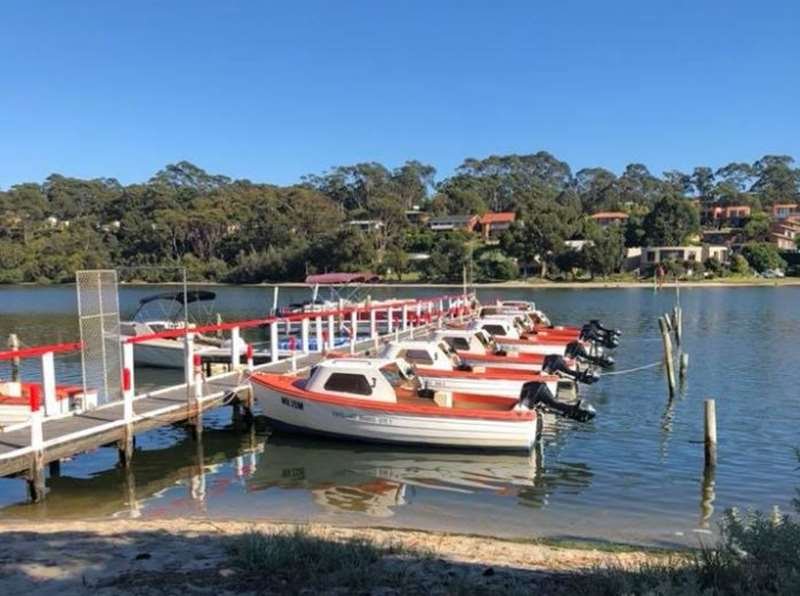
Estuaries and Mangroves: Nurseries for Young Marine Life
Beyond the open ocean and reefs, South Florida’s estuaries and mangrove forests are essential habitats for juvenile fish, crustaceans, and birds. These brackish environments serve as nurseries, offering shelter and abundant food for young animals before they venture into deeper waters.
- Snook and Tarpon: Popular among anglers, these fish rely on mangrove roots and estuarine waters during their early life stages.
- Blue Crabs and Shrimp: Abundant in these areas, they are a key food source for both wildlife and humans.
- Ospreys and Herons: These birds are often seen hunting in the shallows or nesting in the trees above the water.
Exploring these habitats can be especially rewarding for families. For more ideas on outdoor activities, see these family nature exploration ideas for kids and adults alike.
Conservation and Responsible Wildlife Viewing
Preserving the rich diversity of South Florida’s marine life requires ongoing conservation efforts and responsible behavior from visitors. Simple actions like not touching coral, keeping a respectful distance from wildlife, and properly disposing of trash can make a significant difference. Participating in guided tours with knowledgeable naturalists can also help ensure that your encounters are both safe and educational.
By learning about and respecting these remarkable animals, you contribute to the ongoing protection of one of America’s most treasured natural resources.
Frequently Asked Questions
What are the best times of year to see marine wildlife in South Florida?
While many species are present year-round, winter months are ideal for spotting manatees as they gather in warm waters. Sea turtle nesting occurs from March through October. Dolphins and reef fish can be seen throughout the year, especially in calm, clear conditions.
Are there any endangered marine species in South Florida?
Yes, several species such as the West Indian manatee, green sea turtle, and staghorn coral are considered threatened or endangered. Conservation measures are in place to protect these animals and their habitats.
How can I view marine life responsibly?
Follow local guidelines, keep a safe distance from animals, avoid touching or collecting marine life, and use reef-safe sunscreen. Joining guided tours led by certified naturalists can enhance your experience while ensuring minimal impact on the environment.