

Florida’s diverse landscapes offer a wealth of opportunities for outdoor learning experiences for children. From lush wetlands and sandy beaches to vibrant forests and unique wildlife habitats, the Sunshine State is a living classroom. These hands-on adventures help kids develop curiosity, environmental awareness, and practical skills that last a lifetime. In this guide, you’ll discover the best ways to engage young minds with nature, explore top destinations, and get practical tips for making the most of every outing.
Whether you’re a parent, educator, or group leader, planning meaningful nature activities can be both rewarding and accessible. Early exposure to the outdoors encourages children to ask questions, observe closely, and connect with the world around them. Florida’s natural settings are ideal for fostering a lifelong appreciation for science, ecology, and stewardship.
For those interested in responsible exploration, you might also want to read about how to enjoy wildlife viewing responsibly to ensure your adventures have a positive impact on Florida’s ecosystems.
Why Outdoor Education Matters for Kids
Engaging children in nature-based activities has proven benefits. Outdoor learning supports physical health, boosts creativity, and improves focus. It also strengthens social skills as kids collaborate, share discoveries, and solve problems together. In Florida, the variety of ecosystems provides endless opportunities for observation and exploration.
- Hands-on science: Kids can investigate plant life, observe animal tracks, and study water cycles in real time.
- Physical activity: Nature walks, kayaking, and beachcombing encourage movement and build coordination.
- Environmental stewardship: Early exposure to conservation principles fosters respect for the planet.
Top Destinations for Outdoor Learning in Florida
Florida’s parks, preserves, and coastal areas are rich with educational possibilities. Here are some of the best spots for immersive nature experiences:
Wetlands and Wildlife Refuges
Wetlands like the Everglades and Loxahatchee National Wildlife Refuge are ideal for observing birds, reptiles, and aquatic life. Guided tours and boardwalk trails make these areas accessible for families and school groups. Bring binoculars and field guides to help children identify species and learn about their habitats.
Beaches and Coastal Habitats
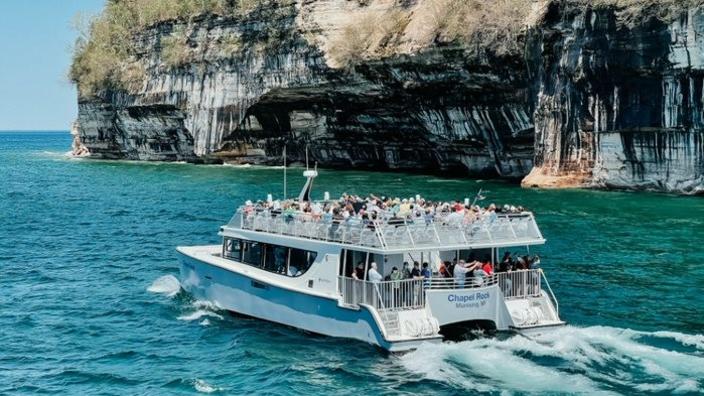
Florida’s coastline is perfect for exploring tide pools, collecting shells, and learning about marine life. Many state parks offer ranger-led programs that introduce children to the wonders of the ocean and the importance of protecting fragile shorelines. Consider a boat tour for a unique perspective—scenic ocean and inlet adventures can turn a day on the water into a memorable science lesson.
Forests and Nature Trails
Hiking through pine flatwoods or oak hammocks gives children a chance to observe native plants, insects, and mammals. Look for interpretive trails with educational signage or join a guided walk to learn about local ecosystems. Encourage kids to keep a nature journal, sketching what they see and noting interesting facts.
Planning Engaging Outdoor Activities for Kids
To maximize the benefits of outdoor learning experiences for children, it’s important to plan age-appropriate and interactive activities. Here are some ideas to get started:
- Scavenger hunts: Create a list of natural items for kids to find, such as specific leaves, animal tracks, or shells.
- Wildlife observation: Bring along binoculars and encourage children to spot birds, butterflies, or fish. For tips on choosing the right equipment, check out this comprehensive guide to photo gear for nature outings.
- Water sampling: At lakes or ponds, let kids collect water samples and examine them with magnifiers to discover aquatic life.
- Nature art: Use found objects like twigs, stones, and leaves to create temporary sculptures or collages.
- Storytelling and journaling: Encourage children to write or draw about their experiences, helping them reflect and remember what they’ve learned.
Resources and Programs for Outdoor Education in Florida
Many organizations and parks offer structured programs designed to enrich nature-based learning for children. Look for:
- Junior Ranger programs: Many Florida state parks offer badges and activities for young explorers.
- Nature centers: Facilities like those featured in educational outdoor attractions in Florida provide hands-on exhibits, guided hikes, and workshops.
- Eco-tours: Guided kayak trips, snorkeling excursions, and wildlife boat tours are available throughout the state.
- Community events: Check local calendars for family-friendly festivals, clean-up days, and citizen science projects.
Tips for Safe and Enjoyable Nature Adventures
Safety and preparation are key to successful outdoor outings. Keep these tips in mind:
- Dress appropriately for the weather and terrain. Lightweight, long-sleeved clothing and hats offer sun protection.
- Pack essentials: water, snacks, sunscreen, insect repellent, and a basic first-aid kit.
- Teach children to respect wildlife and plants—observe from a distance and avoid disturbing habitats.
- Review basic outdoor etiquette, such as staying on trails and carrying out all trash.
- Model curiosity and enthusiasm. When adults show interest, kids are more likely to engage and ask questions.
Expanding Your Nature Learning Journey
Florida’s natural wonders are just the beginning. As children grow more comfortable outdoors, consider exploring lesser-known spots or participating in ongoing projects. For inspiration, see discovering Florida’s hidden coastal gems for ideas on off-the-beaten-path adventures. You can also find more ideas in guides to the best outdoor learning experiences in Florida.
Encourage kids to share what they’ve learned with friends and family. Presentations, photo albums, or simple nature crafts can help reinforce lessons and inspire others to get outside.
Frequently Asked Questions
What are the best ages for outdoor learning activities?
Nature-based experiences can be adapted for all ages, from toddlers to teens. Younger children benefit from simple observation and sensory play, while older kids can handle more complex activities like wildlife tracking or water testing.
How can I keep children engaged during outdoor outings?
Plan a mix of structured and unstructured activities. Allow time for exploration, ask open-ended questions, and provide tools like magnifiers or field guides. Changing locations or introducing new challenges can also help maintain interest.
Are there any safety concerns to consider?
Always supervise children closely, especially near water or in unfamiliar areas. Teach them to recognize local hazards such as poisonous plants or insects. Prepare for sun exposure and dehydration by bringing plenty of water and protective gear.