
Florida’s coastline is a paradise for nature lovers, offering a diverse range of habitats and countless opportunities to observe fascinating animals in their natural environment. Whether you’re a seasoned wildlife enthusiast or planning your first trip, exploring the Sunshine State’s shores can be both thrilling and educational. This guide highlights some of the top destinations and practical tips for planning memorable coastal wildlife adventure ideas across Florida’s unique landscapes.
Before diving into the best locations, it’s important to approach wildlife viewing with respect for the environment. For those interested in learning more about responsible practices, check out how to enjoy wildlife viewing responsibly for essential eco-friendly guidelines.
Why Florida’s Coast Is a Haven for Wildlife Seekers
Florida’s extensive shoreline stretches over 1,300 miles, featuring a mosaic of beaches, mangroves, estuaries, and barrier islands. These diverse ecosystems support a rich variety of species, from manatees and dolphins to sea turtles and rare birds. The state’s subtropical climate and protected areas make it one of the best places in the U.S. for observing coastal animals up close.
Many of these habitats are easily accessible, with state parks, wildlife refuges, and guided tours available for all experience levels. Whether you prefer kayaking through mangrove tunnels or strolling along sandy beaches, there’s an adventure to suit every interest.
Top Destinations for Coastal Wildlife Encounters
Florida’s shoreline is dotted with outstanding spots for animal watching. Here are some of the most rewarding places to add to your itinerary:
Everglades National Park: A Biodiversity Hotspot
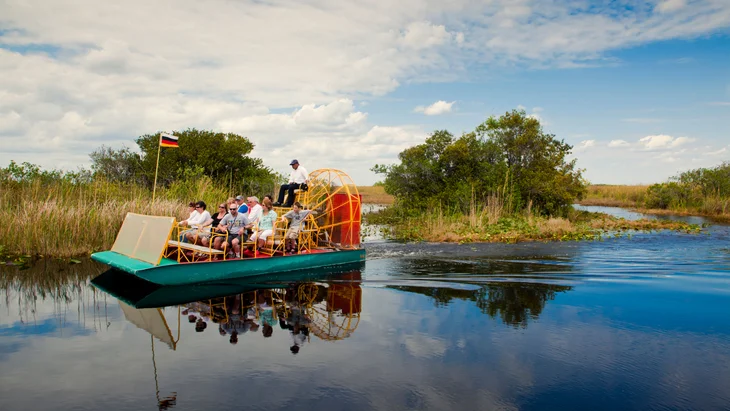
The Everglades is world-renowned for its incredible biodiversity. This UNESCO World Heritage Site is home to alligators, crocodiles, manatees, and over 350 bird species. Boardwalk trails and boat tours offer visitors the chance to spot wildlife in both freshwater and coastal environments. Early mornings and late afternoons are ideal for sightings, especially during the dry season from November to April.
Merritt Island National Wildlife Refuge: Birdwatcher’s Paradise
Located near Cape Canaveral, this refuge is a magnet for migratory birds and other coastal creatures. The Black Point Wildlife Drive is a must for anyone interested in seeing herons, egrets, roseate spoonbills, and even the occasional bobcat. Winter months bring thousands of waterfowl, making it a top spot for birding enthusiasts seeking new coastal wildlife adventure ideas.
Ten Thousand Islands: Kayak Through Mangrove Wilderness
For a more immersive experience, paddle through the Ten Thousand Islands region along Florida’s southwest coast. This maze of mangrove islets is teeming with dolphins, sea turtles, and wading birds. Guided kayak tours are available for all skill levels, and the area’s remoteness provides a true sense of wild Florida.
Unique Activities for Your Next Seaside Adventure
Beyond simply observing animals, Florida’s coast offers a variety of hands-on experiences that bring you closer to nature. Here are some engaging ways to enhance your trip:
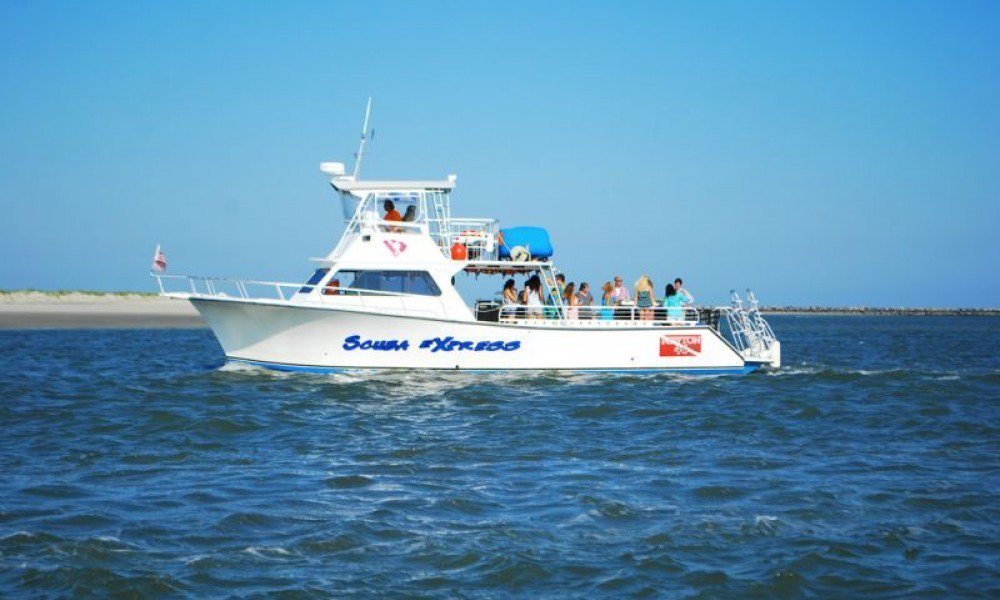
- Guided Boat Tours: Explore estuaries and inlets with experienced naturalists who can point out dolphins, manatees, and seabirds. For more inspiration, see these scenic ocean and inlet adventures that showcase Florida’s natural beauty.
- Kayaking and Paddleboarding: Glide quietly through mangroves and shallow bays, increasing your chances of spotting shy creatures like otters and rays.
- Nighttime Turtle Walks: During summer, join a licensed group to witness sea turtles nesting along the Atlantic coast—a truly unforgettable experience.
- Snorkeling and Shallow Dives: Explore seagrass beds and reefs where you might encounter starfish, seahorses, and schools of colorful fish.
- Photography Expeditions: Many parks offer guided photo tours, perfect for capturing Florida’s wildlife in action.
Essential Gear and Safety Tips for Coastal Excursions
Having the right equipment can make your wildlife outings more enjoyable and productive. Here are a few essentials to pack:
- Binoculars: A good pair of binoculars helps you observe animals from a respectful distance. Consider waterproof models for marine environments.
- Polarized Sunglasses: These reduce glare on the water, making it easier to spot dolphins, rays, and fish just below the surface.
- Sun Protection: Florida’s sun can be intense, so bring a hat, sunscreen, and lightweight, long-sleeved clothing.
- Reusable Water Bottle: Stay hydrated, especially during summer outings.
- Field Guide: A pocket guide to local birds, mammals, or marine life can enhance your experience and help with identification.
For those new to boating or water-based activities, reviewing essential boating safety tips is highly recommended before heading out.
Planning Your Trip: When and Where to Go
The best time for wildlife viewing along Florida’s coast varies by species and region. Winter and early spring are ideal for birdwatching, as migratory flocks arrive in large numbers. Summer brings sea turtle nesting season, especially along the Atlantic beaches. Manatees are most visible in warm-water springs during cooler months, while dolphins can be spotted year-round in bays and estuaries.
For those seeking less-crowded destinations, consider exploring some of Florida’s hidden coastal gems for a more tranquil experience. Many of these spots offer excellent opportunities for both wildlife encounters and scenic beauty.
Tips for Responsible Wildlife Viewing
Respecting animals and their habitats is crucial for preserving Florida’s natural wonders. Here are some key principles to follow:
- Observe from a distance—never approach, feed, or disturb wildlife.
- Stay on marked trails and designated viewing platforms to protect sensitive areas.
- Dispose of trash properly and avoid single-use plastics.
- Follow all posted rules and guidance from park rangers or tour guides.
- Choose eco-friendly tours and operators committed to conservation.
For families and educators, exploring outdoor learning experiences in Florida can be a great way to combine fun with environmental education.
FAQ: Coastal Wildlife Exploration in Florida
What are the best months for seeing sea turtles on Florida’s coast?
Sea turtle nesting season typically runs from May through October, with the highest activity in June and July. Guided night walks are available in many areas, offering a safe and educational way to witness this natural event.
Are there any family-friendly wildlife tours available?
Yes, many coastal parks and tour operators offer family-oriented excursions. Options include boat tours, guided walks, and educational programs suitable for children and adults alike. Look for tours that emphasize safety and environmental stewardship.
How can I increase my chances of spotting dolphins and manatees?
Dolphins are often seen in bays, inlets, and nearshore waters throughout the year. Manatees are most visible in warm-water springs during winter months. Early morning and late afternoon are generally the best times for wildlife activity.
Start Planning Your Next Coastal Wildlife Adventure
Florida’s shores offer endless opportunities for memorable encounters with nature. By choosing the right destinations, packing essential gear, and following responsible practices, you can enjoy safe and rewarding wildlife adventures. For even more inspiration, explore educational marine tourism opportunities and discover new ways to connect with the state’s vibrant coastal ecosystems.