
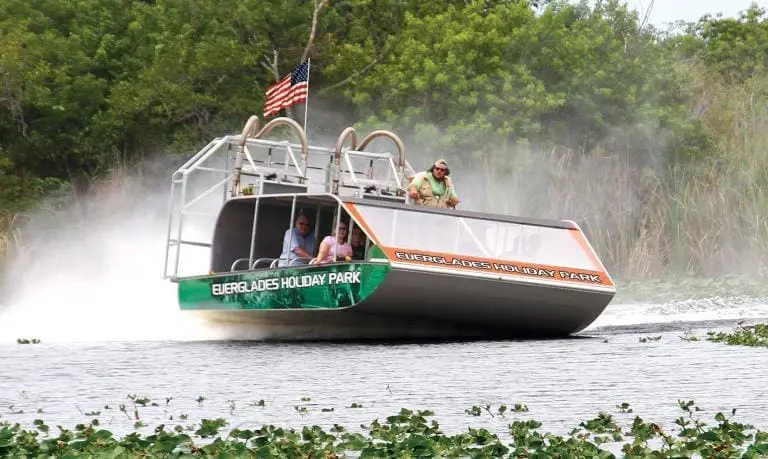
Exploring nature from a boat offers a unique perspective on the rich biodiversity found in rivers, lakes, and coastal regions. Whether you’re gliding through mangroves, cruising along a scenic inlet, or embarking on a guided tour, discovering local wildlife from the water brings you closer to animals in their natural habitats. This guide shares practical advice for making the most of your boat-based wildlife adventures, including what to bring, how to spot animals responsibly, and tips for a safe, memorable experience.
Before setting out, it’s important to plan your trip with respect for both the environment and the creatures you hope to see. Responsible wildlife viewing not only enhances your own experience but also helps protect delicate ecosystems for future generations. For more on ethical nature encounters, check out how to enjoy wildlife viewing responsibly.
Why Observe Wildlife from the Water?
Approaching animals by boat allows for a less intrusive experience compared to land-based observation. Waterways often serve as natural highways for wildlife, making it easier to spot birds, mammals, reptiles, and even marine life. From alligators basking on riverbanks to dolphins playing in the surf, the vantage point from a boat provides excellent opportunities for both casual viewers and avid photographers.
Many regions offer guided boat safaris designed to highlight local species and habitats. These tours are often led by knowledgeable guides who can point out subtle signs of animal activity and share insights into the area’s ecology. For those interested in combining education with adventure, consider exploring educational marine tourism opportunities that focus on ocean science and conservation.
Essential Gear for a Successful Boat Safari
Preparation is key to enjoying your time on the water. Here’s a checklist of recommended items to bring along:
- Binoculars: A good pair of binoculars is invaluable for spotting distant animals without disturbing them. Lightweight, waterproof models are ideal for boat use.
- Sunglasses: Polarized sunglasses help reduce glare from the water, making it easier to see beneath the surface and spot subtle movements along the shore.
- Camera: Bring a camera with a zoom lens or use your smartphone with a telephoto attachment to capture memorable moments.
- Sun Protection: Sunscreen, a wide-brimmed hat, and protective clothing are essential for long hours in the sun.
- Water and Snacks: Staying hydrated and energized ensures you remain alert and comfortable throughout your trip.
- Field Guide: A regional wildlife guidebook or app can help you identify unfamiliar species.
For more advice on what to pack for different climates and conditions, see this comprehensive packing guide for small ship adventures.
Choosing the Right Boat Tour for Wildlife Viewing
Not all boat safaris are created equal. Consider these factors when selecting a tour or planning your own excursion:
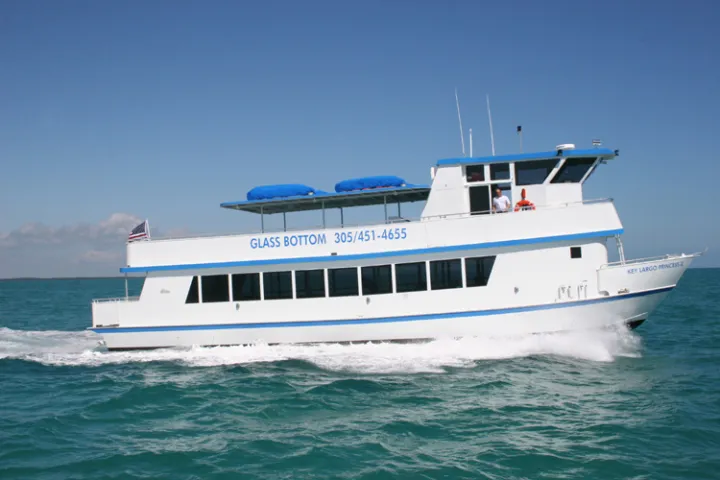
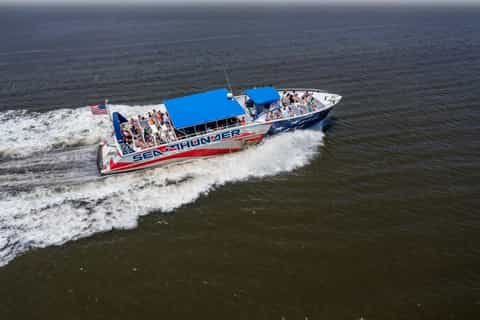
- Type of Boat: Smaller, quieter boats such as kayaks, canoes, or electric-powered vessels allow for closer, less disruptive encounters. Larger boats may offer more comfort but can be noisier.
- Local Expertise: Guided tours led by local naturalists or biologists often provide deeper insights and increase your chances of seeing rare or elusive animals.
- Timing: Early morning and late afternoon are typically the best times for wildlife activity. Plan your trip to coincide with these peak periods.
- Group Size: Smaller groups tend to have a lower impact on the environment and create a more intimate experience.
For those seeking scenic routes and tranquil settings, read about beautiful Florida boat rides that showcase the region’s natural beauty while maximizing wildlife viewing opportunities.
Tips for Spotting Animals While Boating
Patience and observation are your best tools when searching for wildlife from the water. Here are some strategies to improve your chances:
- Move Quietly: Reduce engine noise or paddle gently to avoid startling animals. Silence increases the likelihood of seeing shy species.
- Scan the Shoreline: Many animals, including birds and mammals, are most active along the water’s edge. Look for movement, ripples, or unusual shapes.
- Watch for Signs: Tracks in the mud, splashes, or calls can indicate nearby wildlife. Use your binoculars to investigate further.
- Be Patient: Sometimes the best encounters happen when you least expect them. Allow time for animals to appear naturally.
- Respect Boundaries: Maintain a safe distance and never attempt to feed or touch wild animals. This protects both you and the creatures you’re observing.
Combining these techniques with the right equipment and timing can make your excursion both rewarding and respectful of the environment.
Staying Safe and Protecting the Environment
Safety and conservation go hand in hand when observing wildlife by boat. Always wear a life jacket, follow local boating regulations, and be aware of changing weather conditions. Avoid sensitive habitats such as nesting sites or shallow seagrass beds, and never leave trash behind.
Many waterways have specific rules to protect endangered species and fragile ecosystems. Familiarize yourself with these guidelines before your trip. If you’re interested in exploring lesser-known spots, consider reading about hidden coastal gems that offer both tranquility and abundant wildlife.
Enhancing Your Experience: Learning and Sharing
Documenting your sightings and sharing them with local conservation groups or citizen science projects can contribute to ongoing research and protection efforts. Apps and online platforms allow you to log observations and connect with fellow nature enthusiasts.
Families and students can turn a boat safari into an educational outing by learning about animal behavior, habitats, and conservation challenges. For more ideas on combining fun and learning outdoors, see these outdoor learning experiences in Florida.
Frequently Asked Questions
What types of wildlife can I expect to see from a boat?
The animals you encounter depend on your location and the time of year. Common sightings include birds such as herons and ospreys, mammals like otters and dolphins, reptiles such as turtles and alligators, and a variety of fish and invertebrates. Coastal and estuarine areas often offer the greatest diversity.
How can I increase my chances of spotting rare animals?
Plan your trip during early morning or late afternoon when wildlife is most active. Use binoculars to scan the shoreline and listen for animal calls. Joining a guided tour with an experienced naturalist can also improve your chances of seeing elusive species.
Is it safe to bring children on a boat safari?
Yes, boat-based wildlife viewing can be a safe and enjoyable activity for families. Ensure that all children wear properly fitted life jackets, follow safety instructions, and remain seated while the boat is moving. Choose tours that are family-friendly and avoid rough waters or extreme weather conditions.
How can I minimize my impact on the environment while boating?
Stick to designated waterways, avoid disturbing wildlife, and never feed animals. Dispose of all trash properly and use eco-friendly sunscreen to protect water quality. Respect local regulations and guidelines to help preserve habitats for future generations.