
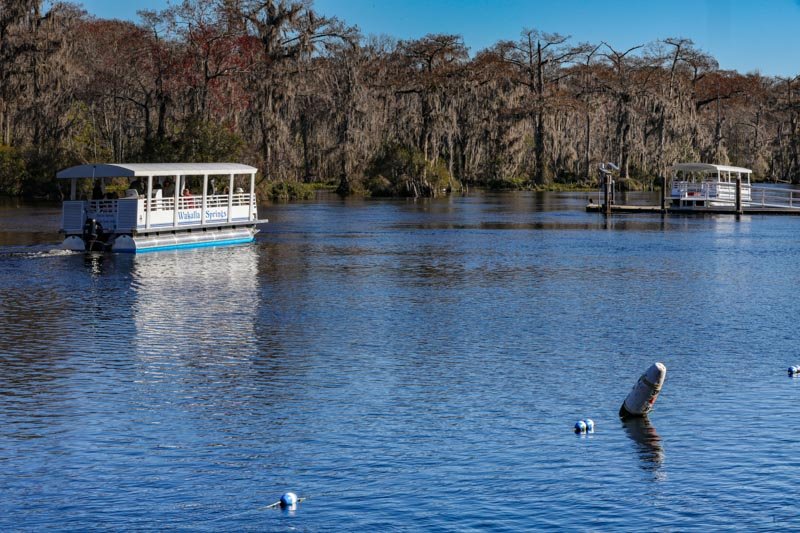
Exploring marine environments offers a unique way to connect with nature, learn about aquatic ecosystems, and understand the importance of conservation. Eco education opportunities on the water are designed to inspire curiosity and foster a deeper appreciation for our oceans, rivers, and lakes. Whether you’re a student, family, or lifelong learner, these hands-on experiences combine adventure with science, making learning both fun and impactful.
From guided boat tours to interactive field studies, aquatic science excursions are rapidly gaining popularity as a way to blend recreation with environmental stewardship. These programs not only introduce participants to fascinating marine life but also teach responsible practices for enjoying and protecting natural habitats. If you’re interested in expanding your knowledge while enjoying the outdoors, there are many ways to get involved.
For those seeking more ways to engage with nature, check out best outdoor learning experiences in Florida for additional inspiration on immersive science adventures.
Why Choose Water-Based Environmental Learning?
Participating in eco education opportunities on the water provides a dynamic, hands-on approach to understanding the natural world. Unlike traditional classroom settings, these experiences immerse you directly in the environment, allowing you to observe wildlife, study ecosystems, and witness conservation efforts firsthand. This type of learning is especially effective for:
- Building environmental awareness and stewardship
- Enhancing scientific observation and critical thinking skills
- Encouraging teamwork and communication
- Making science relevant and memorable through real-world application
Many programs are tailored for different age groups and interests, making them accessible to families, school groups, and adult learners alike.
Types of Marine Science Excursions
There is a wide variety of aquatic learning experiences available, each offering unique insights into marine ecosystems. Here are some of the most popular options:
Guided Boat Tours and Wildlife Cruises
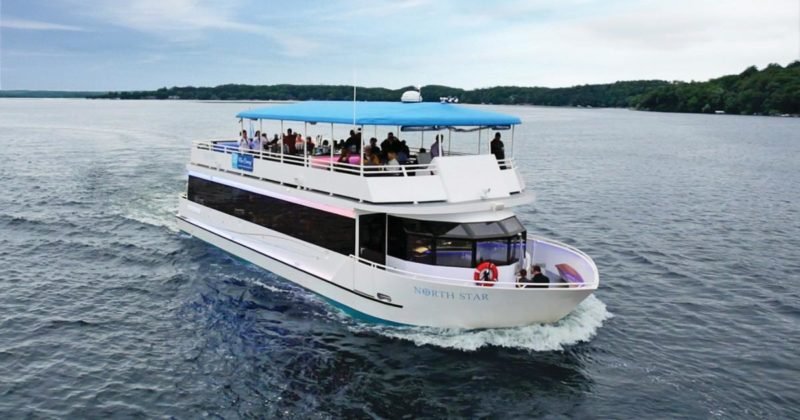
Guided tours are a cornerstone of eco education opportunities on the water. Led by knowledgeable naturalists, these excursions take participants through estuaries, bays, rivers, or coastal waters. You’ll have the chance to spot dolphins, manatees, sea turtles, and a range of bird species, all while learning about their habitats and behaviors. Many tours incorporate interactive elements such as water sampling, plankton viewing, or shoreline cleanups.
Hands-On Field Studies and Citizen Science
Many organizations offer field-based science programs where participants collect data, monitor water quality, or help with research projects. These experiences often include:
- Sampling water and identifying aquatic organisms
- Recording wildlife sightings for conservation databases
- Participating in habitat restoration or beach cleanups
Such activities not only deepen your understanding of local ecosystems but also contribute valuable information to ongoing scientific studies. For more on observing marine life, see discovering marine life in natural habitats.
Kayak, Canoe, and Paddleboard Eco-Tours
Paddling adventures provide a quiet, low-impact way to explore waterways and observe wildlife up close. Many outfitters offer guided eco-tours that combine paddling instruction with natural history interpretation. These trips are ideal for small groups and often visit areas inaccessible by larger boats, offering a more intimate look at aquatic habitats.
What to Expect on a Marine Science Adventure
Each water-based learning experience is unique, but most share common elements designed to maximize engagement and learning:
- Expert guides with backgrounds in marine biology or environmental science
- Interactive activities such as netting, water testing, or species identification
- Safety briefings and equipment orientation
- Opportunities to ask questions and participate in discussions
It’s a good idea to bring essentials like sun protection, water-resistant clothing, and a notebook for observations. For wildlife viewing, quality optics can make a big difference. For gear recommendations, see this comprehensive guide to photo and observation equipment.
Responsible Exploration and Conservation
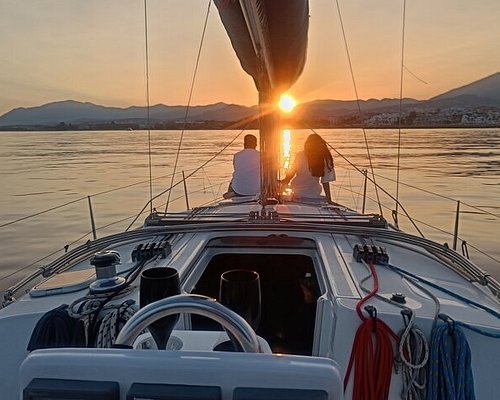
Participating in aquatic science trips comes with a responsibility to minimize your impact on the environment. Following ethical wildlife viewing guidelines, respecting local regulations, and supporting conservation efforts are all part of the experience. For tips on sustainable practices, visit how to enjoy wildlife viewing responsibly.
Many programs emphasize the importance of “leave no trace” principles and encourage participants to become advocates for marine conservation in their own communities. By learning about the challenges facing aquatic ecosystems—such as pollution, habitat loss, and climate change—you’ll be better equipped to make informed choices and inspire others.
Planning Your Water-Based Learning Experience
When selecting a marine education program, consider the following factors to ensure a rewarding experience:
- Location: Choose a destination known for its biodiversity and reputable guides.
- Group Size: Smaller groups often allow for more personalized instruction and better wildlife encounters.
- Accessibility: Look for programs that accommodate different ages and physical abilities.
- Focus: Some trips emphasize wildlife observation, while others prioritize hands-on research or conservation work.
Booking in advance is recommended, especially during peak seasons. Don’t hesitate to ask about safety protocols, guide credentials, and what’s included in the trip.
Benefits Beyond the Boat
Engaging in eco education opportunities on the water offers lasting benefits that extend beyond the day’s adventure. Participants often report:
- Greater appreciation for nature and local ecosystems
- Increased knowledge of marine biology and conservation issues
- Stronger sense of community and environmental responsibility
- Memorable experiences that inspire future learning and advocacy
These trips can also spark interest in related activities, such as volunteering for habitat restoration, joining citizen science projects, or pursuing further studies in environmental science. For more ideas, explore discovering Florida’s hidden coastal gems for off-the-beaten-path nature experiences.
Frequently Asked Questions
What should I bring on a marine science trip?
It’s best to pack sun protection (hat, sunscreen, sunglasses), water-resistant clothing, closed-toe shoes, a reusable water bottle, and a notebook for observations. Binoculars and a camera can enhance wildlife viewing. Some tours provide equipment, but check in advance.
Are these programs suitable for children and families?
Yes, many aquatic education experiences are designed for all ages. Look for family-friendly tours with hands-on activities and guides experienced in working with kids. Always confirm age recommendations before booking.
How can I ensure my participation is environmentally responsible?
Follow all instructions from guides, respect wildlife by maintaining a safe distance, avoid leaving trash, and use eco-friendly products. Supporting organizations with strong conservation ethics also helps protect aquatic habitats for future generations.